
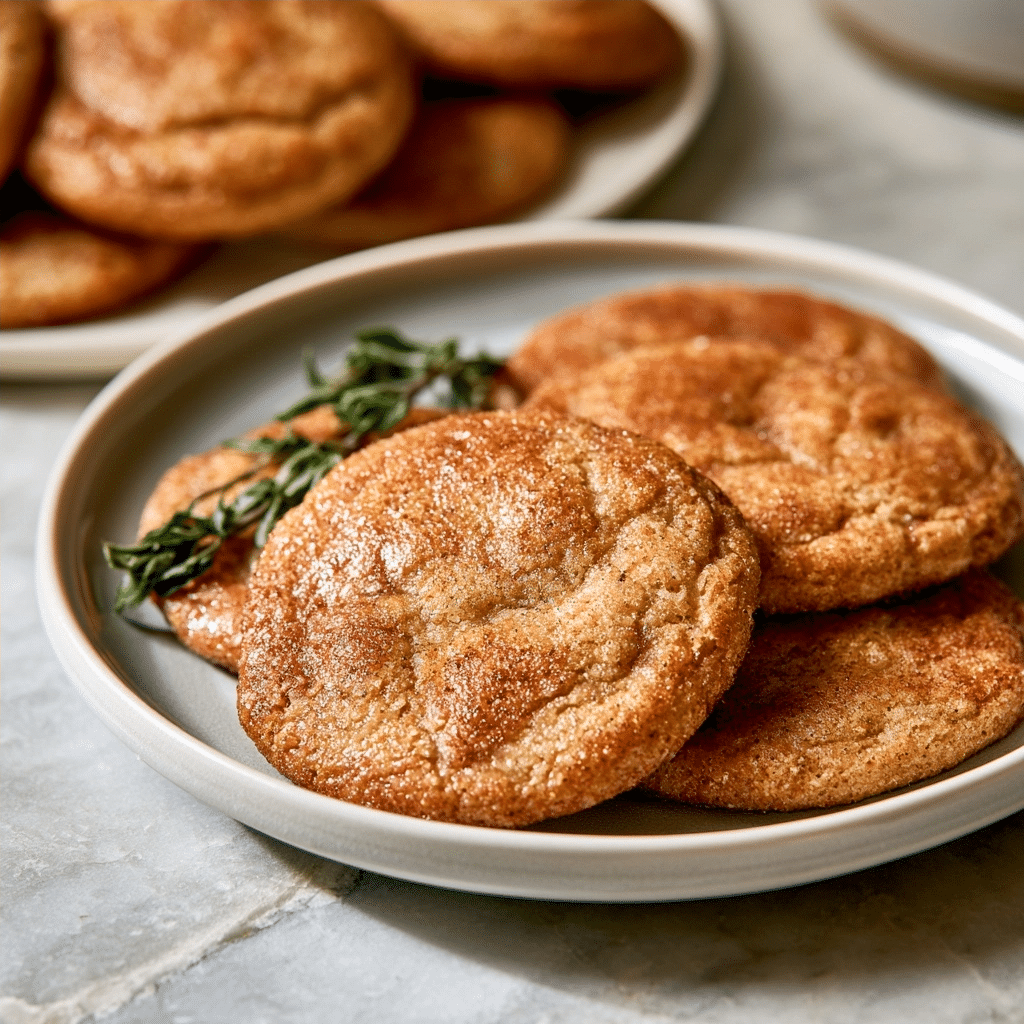
Chewy gluten free snickerdoodles offer a satisfyingly soft texture and a classic sparkling cinnamon coating for every home baker. These cookies provide the ideal balance of tanginess from the cream of tartar mixed with the warmth of ground cinnamon, making them a crowd-pleasing treat for holiday gatherings or casual weekend afternoons. By utilizing high-quality 1:1 gluten-free baking flour, this recipe ensures a professional result that remains tender long after baking. You will appreciate the straightforward preparation method that removes the stress from gluten-free baking while delivering consistent, bakery-quality sweetness in every bite.
What Is Chewy Gluten Free Snickerdoodles?
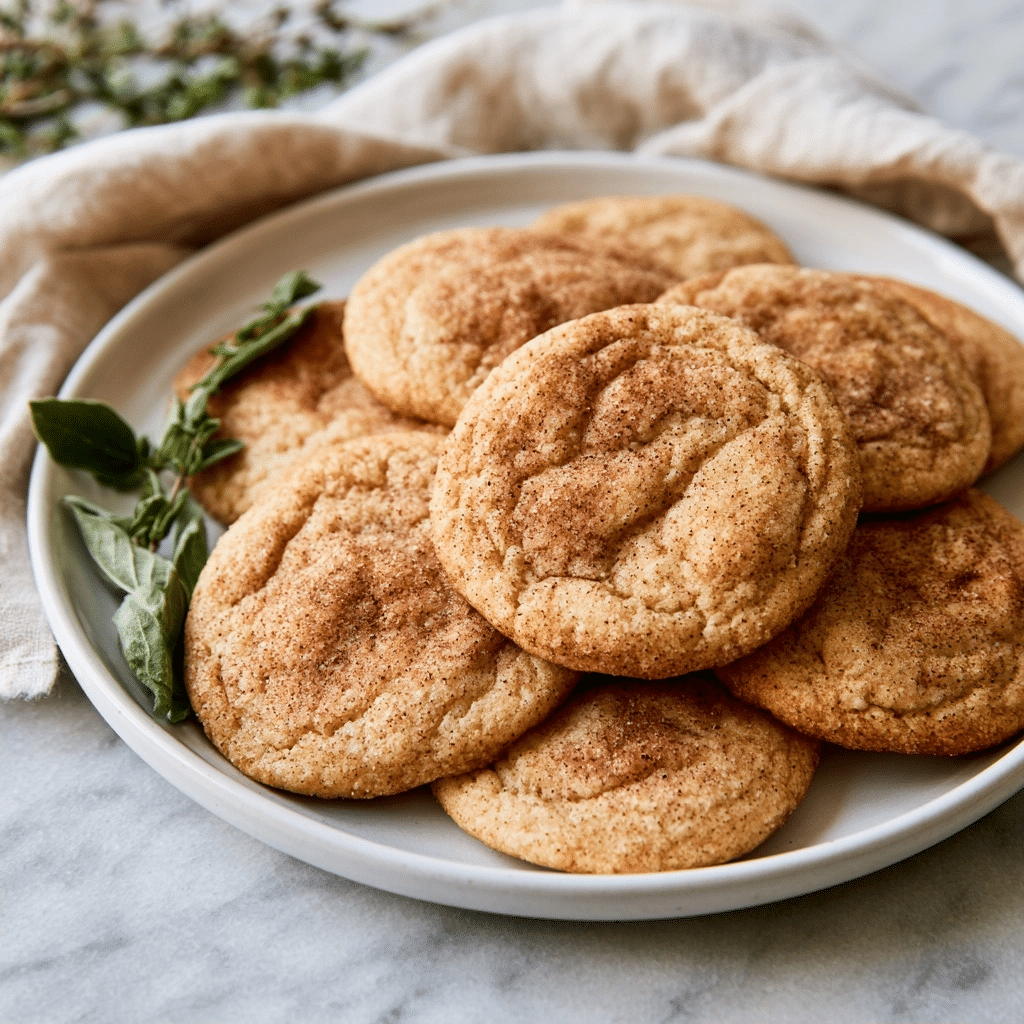
Chewy gluten free snickerdoodles are a specialized version of the traditional sugar cookie, distinguished by their signature tangy flavor profile derived from cream of tartar. While standard snickerdoodles often rely on wheat flour, this version uses a balanced gluten-free blend to achieve a soft, chewy interior while maintaining structural integrity. The exterior is rolled in a generous coating of cinnamon and sanding sugar, which caramelizes during the baking process to create a bold, crackled appearance. This variation caters to individuals requiring gluten-free options without sacrificing the authentic texture or aromatic qualities expected from this time-honored classic.
| Prep Time | 15 minutes |
| Cook Time | 12 minutes |
| Total Time | 57 minutes |
| Servings | 24 cookies |
| Difficulty Level | Easy |
| Cuisine | American |
| Calories per Serving | 145 |
Why You’ll Love This Recipe
- Effortless preparation that fits perfectly into busy weeknight schedules or relaxed Sunday baking sessions.
- Foolproof technique ensures consistent results even for bakers new to gluten-free methods.
- Crowd-pleasing flavor that bridges the gap between traditional cookies and dietary-specific needs.
- Time-saving chilling process that allows for convenient meal-prepping of dough balls in advance.
- Reliable texture that avoids the chalky finish common in many alternative flour bakes.
This recipe transforms the baking process into an approachable task for all skill levels. By focusing on simple pantry staples, it minimizes the need for specialty ingredients while maximizing reliability. Whether hosting a potluck or simply craving a sweet snack, these cookies deliver dependable quality every single time.
Why This Recipe Works
Experience in gluten-free baking reveals that the biggest challenge is moisture management. Through testing various flour blends, I found that balancing the fat content with the specific acidity of cream of tartar prevents the crumbly outcome common in many recipes. This approach stabilizes the dough and ensures the cookies remain chewy rather than becoming dry or dense.
The science behind this process relies on the relationship between cream of tartar and the leavening agent. When combined, they react to create a lift that results in a soft, airy interior structure. Additionally, the process of rolling the dough in cinnamon sugar before chilling allows the flavors to penetrate the surface, enhancing the overall caramelization during the high-heat bake.
The sensory payoff is a cookie with a distinct, crackled crust and a dense, chewy center. Temperature control during the chilling phase is critical, as it solidifies the butter and prevents premature spreading in the oven. This creates a refined cookie that looks professional and tastes remarkably similar to conventional versions, proving that dietary restrictions do not necessitate a compromise on quality.
Pro Tips Before You Start
Room Temperature Ingredients: Remove butter and eggs from the refrigerator 30 minutes before mixing to encourage proper emulsification. Accurate Measuring: Use a kitchen scale to measure your gluten-free flour precisely to prevent a dry, sandy texture. Mise en Place: Prepare your cinnamon-sugar mixture before beginning the dough to ensure a seamless rolling process. Equipment Check: Use a stainless steel baking sheet to promote even heat distribution and prevent burnt bottoms.
Ingredients
Here’s everything you’ll need to make chewy gluten free snickerdoodles using high-quality ingredients.
| Ingredient | Quantity | Notes/Alternatives |
|---|---|---|
| Butter (Dairy-free or Regular) | 0.5 cup (113g) | Ensure soft room temperature state |
| White Sugar | 0.5 cup (100g) | Granulated sugar works best |
| Light Brown Sugar | 0.33 cup (70g) | Packed for moisture |
| Egg | 1 large | Room temperature |
| Vanilla Extract | 1 tsp | Pure extract preferred |
| GF 1:1 Flour | 1.75 cup (280g) | Spoon and level measurement |
| Cream of Tartar | 1 tsp | Essential for tang and lift |
| Cinnamon | 0.75 tsp | Ground variety |
| Baking Soda | 0.25 tsp | Check expiration date |
| Salt | 0.25 tsp | Fine sea salt |
| Sanding Sugar* | 0.25 cup (50g) | For the exterior crunch |
| Cinnamon* | 2 tsp | For the rolling mixture |
Best Ingredients for Success
The quality of your gluten-free flour blend is the most influential factor in this recipe. Select a high-quality 1:1 baking blend that contains xanthan gum, as this mimics the structural properties of gluten. Compromising on flour quality often leads to a cookie that spreads excessively or fails to hold together during cooling. Additionally, using fresh cinnamon ensures the aromatic profile remains bold and spicy. If you are on a budget, store-brand granulated sugar is perfectly acceptable, but do not substitute the cream of tartar, as its specific acidity is responsible for the signature snap and tang of the snickerdoodle.
Step-by-Step Instructions
Phase 1: Prepare the Base
- Cream the butter, white sugar, and brown sugar in a stand mixer for 60 seconds until smooth and light.
- Beat in the egg and vanilla extract until fully incorporated and the mixture looks fluffy.
- Whisk the dry ingredients including flour, cream of tartar, cinnamon, baking soda, and salt in a separate bowl.
- Combine the dry ingredients into the butter mixture slowly, ensuring you spoon and level the flour, not scoop it.
Phase 2: Shape and Chill
- Scoop the dough into 1.5 to 2 tablespoon balls using a cookie scoop for uniform size.
- Roll each ball in the prepared cinnamon and sanding sugar mixture until evenly coated.
- Place the balls onto a cookie sheet lined with parchment paper to prevent sticking.
- Chill the baking sheet in the refrigerator for at least 30-60 minutes to firm up the fats.
Phase 3: Bake and Cool
- Preheat your oven to 350 Fahrenheit (175 Celsius) during the final 15 minutes of the chilling time.
- Arrange the cookies with plenty of space, placing only 6 on a baking sheet to allow for spreading.
- Bake for 10-14 minutes, removing them when the edges are set but the center remains slightly soft.
- Cool the cookies completely on the baking sheet before serving to allow the structure to firm up properly.
Chef Tips for Perfect Results
- Precision Measuring: Always weigh your flour on a kitchen scale to ensure exactly 280g, as gluten-free flours vary significantly by volume.
- Perfect Chill: Never skip the 30-minute chill time, otherwise the cookies will spread into a single flat layer in the oven.
- Doneness Check: Remove the cookies when the edges look set but the center looks slightly underdone; they will finish cooking while cooling.
- Pan Spacing: Keep your cookie sheets small to ensure no more than 6 cookies bake at once, preventing uneven heating.
- Oven Temperature: Use an oven thermometer to ensure your 350 Fahrenheit (175 Celsius) setting is calibrated correctly.
Common Mistakes to Avoid
- Overmixing the Dough: Results in dense, tough cookies; stop mixing as soon as the flour is incorporated.
- Scooping Flour Directly: Causes excessive flour usage and dry cookies; always spoon into the cup and level with a knife.
- Baking at High Temps: Leads to burnt bottoms before the center sets; stick strictly to 350 Fahrenheit (175 Celsius).
- Ignoring Chill Time: Results in flat, greasy pancakes; ensure the dough is cold when it hits the hot oven.
How to Make This Recipe Healthier
Adapting your treats for health consciousness is possible with smart substitutions. Original sugar can be swapped for coconut sugar, though this will result in a darker color and a slight caramel undertone. You may replace the butter with refined coconut oil, which maintains the fat levels but adds a slight coconut flavor. Substituting a portion of the gluten-free flour with almond flour adds healthy fats and protein, though it will lead to a slightly denser, more crumbly cookie. Prioritize mindful portion sizes rather than just ingredient swaps for the most consistent texture.
Variations and Substitutions
Customizing your snickerdoodles allows for endless creativity in the kitchen while maintaining the core structure.
| Ingredient | Substitution | Flavor Impact | Texture Impact |
|---|---|---|---|
| Butter | Coconut Oil | Tropical note | Crisper final product |
| White Sugar | Monk Fruit | Zero sugar | Slightly less spread |
| GF Flour | Almond Flour | Nutty profile | Increased density |
Can You Make This Ahead?
Yes, you can easily prepare these ahead of time. The dough should be scooped into balls and rolled in the sugar coating before being placed in an airtight container for up to 3 days in the refrigerator. When ready to serve, transfer the cold dough directly onto the parchment-lined baking sheet and proceed with the baking instructions. Freezing the dough balls also works exceptionally well for long-term storage, lasting up to 3 months when sealed properly.
Serving Suggestions and Pairings
Serve these snickerdoodles warm alongside a glass of unsweetened almond milk to balance the sugar. They make an excellent addition to a dessert spread during family gatherings or brunch events. Pair them with a hot cup of spiced chai tea or a decaf coffee for an afternoon indulgence. For presentation, arrange them on a tiered platter and dust lightly with extra cinnamon to highlight the holiday aesthetic of the cookies.
Best Occasions to Serve This Recipe
These cookies are perfect for Tuesday-night dinners when you want a quick treat, meal prep Sundays to stock your pantry for the week, or holiday menus when you need an impressive gluten-free option. Their crowd-pleasing flavor ensures they disappear fast at potlucks, and because they are so simple, they are the ideal bake for beginners looking to host their first gathering.
Storage and Reheating
Proper storage is essential to maintain the texture of your gluten-free cookies.
| Method | Duration | Instructions |
|---|---|---|
| Countertop | 3 days | Airtight container |
| Refrigerator | 7 days | Keeps cookies soft |
| Freezer | 3 months | Freeze individually then bag |
| Oven | 5 minutes | 300F to refresh crunch |
Nutritional Information
Approximate nutritional values per serving:
| Nutrient | Amount per Serving |
|---|---|
| Calories | 145 |
| Protein | 1g |
| Fat | 7g |
| Carbohydrates | 20g |
| Fiber | 1g |
| Sugar | 12g |
| Sodium | 45mg |
*Approximate values based on standard ingredients. Actual nutrition varies by brand and substitutions. This is not a substitute for professional nutritional advice.
Conclusion
Mastering chewy gluten free snickerdoodles provides a reliable, delicious option for your dessert rotation that suits virtually any occasion. By following the precise steps and chilling the dough for the recommended time, you achieve a professional texture that rivals any conventional bakery cookie. This recipe removes the stress of dietary restrictions, allowing you to focus on the joy of sharing warm, freshly baked goods with friends and family.
You will discover that the combination of cream of tartar and precise oven timing is the secret to bakery success at home. This recipe delivers a satisfying blend of spice and sweetness that elevates your daily snacking or holiday gatherings alike. Save this recipe for your next baking session and experience the difference that quality technique makes in your gluten-free kitchen.
FAQ
Can I substitute butter with margarine?
Yes, you can use high-quality dairy-free margarine in a 1:1 ratio. Ensure it is a stick variety, not the spreadable tub version, to maintain the correct fat-to-water ratio.
How do I know when these are done?
The cookies are done when the edges look firm and set, but the center still appears soft and slightly underbaked. They will harden while sitting on the hot pan.
What should I do if the cookies spread too much?
Excessive spreading usually indicates the oven temperature is too low or the dough was not chilled long enough. Always chill for at least 30 minutes to firm the fats.
Can I add chocolate chips to this recipe?
You can certainly fold in 1/2 cup of dairy-free chocolate chips to the dough before chilling. Do not exceed this amount, as it will disrupt the cookie structure.
Is this recipe suitable for vegan diets?
Yes, provided you use a high-quality vegan butter stick and a flax egg replacer. The texture may vary slightly depending on the specific egg replacer used.
Print
Perfect Chewy Gluten-Free Snickerdoodles
- Total Time: 57
- Yield: 24 cookies
- Diet: Gluten-Free, Vegetarian
Description
These delicious gluten-free snickerdoodles offer a satisfyingly soft, chewy texture with the classic tangy kick provided by cream of tartar. Perfectly rolled in a sparkling coating of cinnamon and sugar, these cookies are a crowd-pleasing treat that balances warmth and sweetness. Using a high-quality 1:1 gluten-free baking flour ensures a professional, bakery-quality finish that stays tender and flavorful, providing a stress-free baking experience for everyone, regardless of dietary needs.
Ingredients
2 3/4 cups high-quality 1:1 gluten-free baking flour
2 teaspoons cream of tartar
1 teaspoon baking soda
1/2 teaspoon salt
1 cup unsalted butter, softened
1 1/2 cups granulated sugar
2 large eggs
1 teaspoon vanilla extract
3 tablespoons granulated sugar (for coating)
3 teaspoons ground cinnamon (for coating)
Instructions
Preheat your oven to 350°F (175°C) and line a baking sheet with parchment paper.
In a medium bowl, whisk together the gluten-free flour, cream of tartar, baking soda, and salt.
In a separate large bowl, cream the softened butter and 1 1/2 cups of granulated sugar until fluffy.
Beat in the eggs one at a time, then stir in the vanilla extract.
Gradually add the dry ingredients to the wet ingredients and mix until smooth.
Chill the dough for at least 30 minutes to ensure a chewy texture.
In a small bowl, combine the 3 tablespoons of sugar and cinnamon for the coating.
Roll the dough into 1-inch balls and toss them in the cinnamon-sugar mixture until well coated.
Place on the baking sheet and bake for 10-12 minutes until edges are set but the centers remain soft.
Remove from oven and allow the cookies to cool on the baking sheet for 5 minutes before transferring to a wire rack.
Notes
Ensure your gluten-free flour blend contains xanthan gum for best structure. If it does not, add 1 teaspoon of xanthan gum to the dry ingredients. Store cookies in an airtight container for up to 5 days or freeze the dough balls for up to 3 months.
- Prep Time: 15
- Cook Time: 12
- Category: Desserts
- Method: Baking
- Cuisine: American