
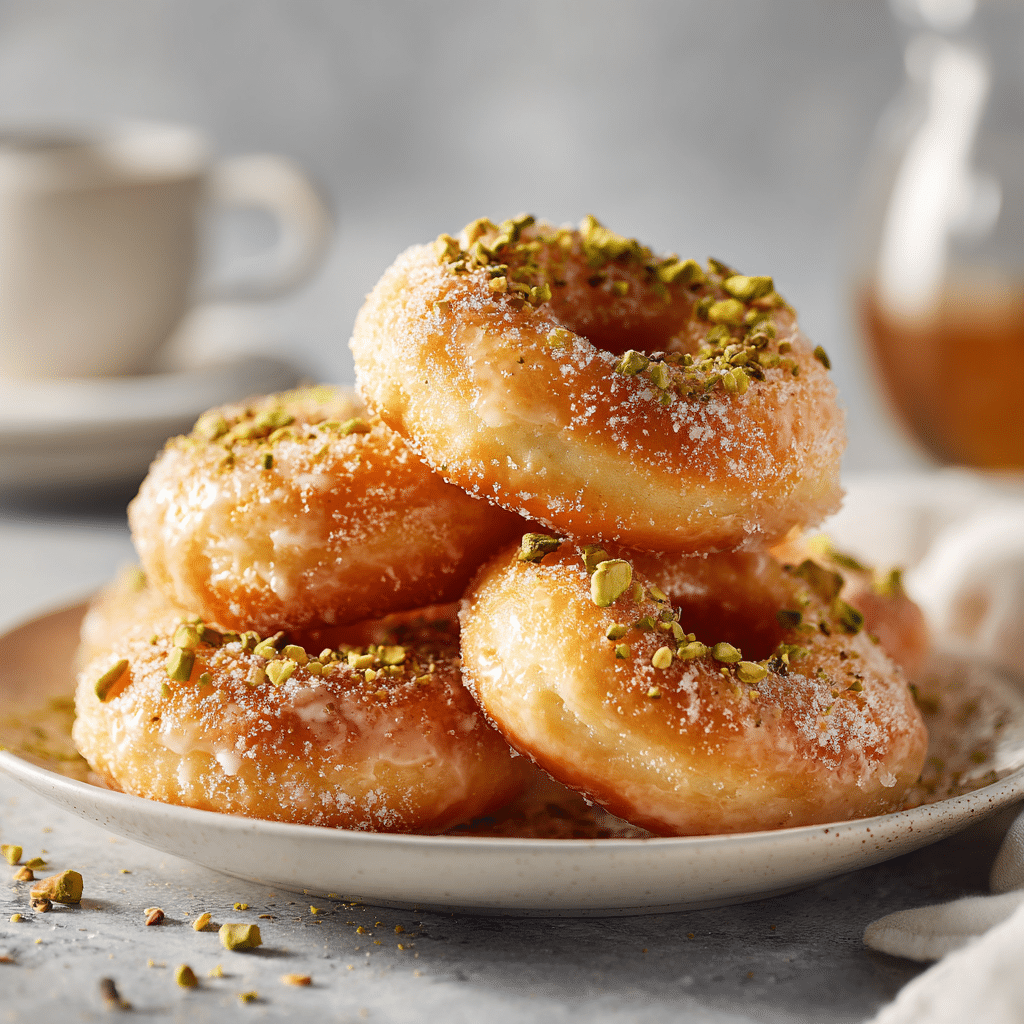
Pistachio doughnuts represent the pinnacle of gourmet fried dough, combining a pillowy Japanese-inspired bread base with a rich, nut-forward cream filling. These Pistachio doughnuts leverage the legendary tangzhong technique to ensure a moist, long-lasting crumb that remains soft for days after frying. By utilizing high-quality pistachio spread and a precise temperature-controlled frying process, you achieve a professional bakery result in your own kitchen. This definitive version eschews standard quick-yeast methods in favor of a enriched dough that balances sweetness with the earthy depth of roasted pistachios. Every bite delivers a contrast between the granulated sugar coating and the silky, vibrant green center that defines this sophisticated pastry. Whether you are an experienced baker or a dedicated enthusiast, this method guarantees a superior texture that surpasses traditional yeast doughnut recipes.
Recipe Overview
| Prep Time | Cook Time | Total Time | Servings | Difficulty | Cuisine |
|---|---|---|---|---|---|
| 3 Hours | 20 Minutes | 3 Hours 20 Mins | 10-12 Doughnuts | Intermediate | Fusion |
Why This Recipe Works
I have spent years perfecting the balance of fat and hydration in fried dough, and the inclusion of tangzhong is the secret variable that changes everything. The pre-cooked flour paste locks in moisture by gelatinizing the starches, which allows the dough to hold more liquid without becoming unmanageable or sticky during the shaping process. You will notice that the resulting doughnut has a specific “bounce” and elasticity that prevents it from becoming greasy or heavy when it hits the hot oil.
The pistachio filling provides a sophisticated flavor profile that moves away from the cloying sweetness of jam or standard vanilla custard. By using a concentrated pistachio spread, you ensure that the nut flavor remains the primary hero of the dish rather than a secondary note. This recipe focuses on precise weight measurements and temperature control, which are the two most critical factors in achieving consistent, professional-grade results every single time you bake.
Ingredients Essentials
| Ingredient | Quantity | Notes and Alternatives |
|---|---|---|
| Bread Flour | 350g (divided) | High protein content is essential; do not use cake flour. |
| Whole Milk | 220ml (divided) | Provides richness; use full-fat for the best crumb. |
| Granulated Sugar | 60g + extra | Used for both the dough and the final exterior coating. |
| Milk Powder | 30g | Enhances the milky aroma; can be skipped but reduces richness. |
| Instant Yeast | 12g | Ensure it is fresh; active dry yeast requires blooming first. |
| Unsalted Butter | 60g | Must be softened to room temperature for evening mixing. |
| Pistachio Spread | 250g | Look for high pistachio percentage (40%+) for best flavor. |
| Vegetable Oil | 1-2 Liters | Use any high-smoke point, flavorless oil for frying. |
Step-by-Step Instructions
Phase 1: Preparing the Tangzhong Starter
- Combine 20g of bread flour and 100ml of whole milk in a small heavy-bottomed saucepan.
- Whisk the mixture continuously over medium heat until it thickens into a translucent, pudding-like paste.
- Remove from heat immediately once the whisk leaves clear lines in the bottom of the pan.
- Transfer the paste to a small bowl and refrigerate for 5-10 minutes to cool before use.
Phase 2: Mixing and Kneading the Dough
- Place 330g bread flour, sugar, salt, milk powder, yeast, whole eggs, and the cooled tangzhong into a stand mixer bowl.
- Pour in the 120ml of warm milk and mix on low speed until a shaggy dough forms.
- Add the softened unsalted butter one tablespoon at a time while the mixer continues to run.
- Knead the dough on medium-high speed for 15 minutes until it becomes smooth, shiny, and passes the windowpane test.
- Transfer the dough to a greased bowl, cover with a damp cloth, and proof in a warm spot for 1-2 hours.
Phase 3: Shaping and Final Proofing
- Degas the risen dough by gently pressing down on it with your fist.
- Divide the dough into 80g portions to ensure uniform cooking and professional appearance.
- Roll each portion into a tight, smooth ball and flatten it slightly with the palm of your hand.
- Place each ball onto an individual square of parchment paper for easy handling during frying.
- Proof the shaped doughnuts for 45 minutes until they feel light, airy, and slightly puffy.
Phase 4: Frying and Filling
- Heat vegetable oil in a deep pot to exactly 160°C (320°F) using a kitchen thermometer.
- Lower the doughnuts into the oil carefully using the parchment paper to prevent deflation.
- Fry for approximately 2-3 minutes per side until a deep, even golden brown color is achieved.
- Drain on a wire rack for 30 seconds, then toss immediately in granulated sugar while still hot.
- Insert a piping bag filled with pistachio spread into the side of the cooled doughnut and fill generously.
Chef Tips for Perfect Results
- Maintain a consistent oil temperature of 160°C to prevent the exterior from burning before the center is cooked.
- Use a digital scale for all measurements because volumetric cups are inaccurate for bread flour densities.
- Check the yeast activity by ensuring the milk is warm to the touch but not exceeding 40°C.
- Lightly grease your hands with oil when shaping the balls to prevent the dough from sticking without adding excess flour.
- Allow the doughnuts to cool completely before filling so the pistachio spread does not melt and become runny.
Common Mistakes to Avoid
- Overheating the tangzhong will result in a rubbery texture; stop as soon as it reaches a paste consistency.
- Skipping the 15-minute knead time prevents proper gluten development, leading to a doughnut that collapses after frying.
- Crowding the frying pot causes the oil temperature to drop rapidly, resulting in greasy, oil-soaked pastries.
- Coating cold doughnuts in sugar fails because the crystals require a hint of residual oil and warmth to adhere.
Variations and Substitutions
| Ingredient | Substitution | Impact on Flavor |
|---|---|---|
| Pistachio Spread | Pistachio Praline Paste | Intense, deeper toasted flavor with less creaminess. |
| Whole Milk | Oat Milk (Full Fat) | Slightly nuttier undertone with a marginally lighter crumb. |
| Bread Flour | All-Purpose Flour | Reduced chewiness and lower rise; not recommended for brioche styles. |
Serving Suggestions and Pairings
Pistachio doughnuts are best served fresh within four hours of frying to maintain the contrast between the crisp sugar crust and the soft interior. They pair Exceptionally well with a strong, unsweetened Turkish coffee or a light roast espresso that cuts through the richness of the pistachio fats. For a formal dessert presentation, serve a single doughnut alongside a small bowl of fresh raspberries and a dusting of crushed roasted pistachios. These treats are ideal for brunch gatherings, afternoon tea services, or as a sophisticated alternative to traditional birthday cakes.
Storage and Reheating
| Method | Duration | Instructions |
|---|---|---|
| Room Temperature | 24 Hours | Store in an airtight container; sugar may weep if humid. |
| Refrigerator | 2 Days | Keep in a sealed container; the filling requires chilling but bread may stiffen. |
| Reheating | 10 Seconds | Microwave briefly to soften the dough, though the sugar will melt slightly. |
Nutritional Information
| Nutrient | Amount per Serving |
|---|---|
| Calories | 420 kcal |
| Total Fat | 22g |
| Carbohydrates | 48g |
| Protein | 8g |
| Sugar | 18g |
Approximate values based on standard 80g dough portions and 20g filling.
Conclusion
Mastering these Pistachio doughnuts allows you to bring a world-class bakery experience into your own home using standard kitchen equipment and high-quality ingredients. The combination of the Japanese tangzhong method and the rich, earthy tones of Mediterranean pistachios creates a dessert that is simultaneously light and indulgent. By following the precise temperature guidelines for frying and the specific kneading times for the dough, you ensure a consistent result that will impress any guest. The subtle saltiness in the dough balances the sweet pistachio filling, creating a complex flavor profile that appeals to those who prefer sophisticated sweets over sugary confections. Do not skip the cooling phase for the tangzhong or the final proofing, as these steps are the foundation of the legendary softness found in professional brioche. As you break open a perfectly fried doughnut to reveal the vibrant green cream inside, you will realize why this specific recipe is a favorite among pastry chefs worldwide. Take the time to source the best pistachio spread available, as the quality of the nut is the defining characteristic of this dish. Share these creations with friends and family, and enjoy the unparalleled satisfaction of a homemade Pistachio doughnut.
Frequently Asked Questions
Can I substitute pistachio spread with homemade pistachio butter?
You can use homemade pistachio butter if you sweeten it with powdered sugar and thin it with a little neutral oil to achieve a pipeable consistency. Pure pistachio butter is often too thick and gritty to fill a doughnut correctly without modification. Ensure the nuts are blended until completely smooth to avoid clogging the piping tip.
How do I know when the doughnuts are fully cooked inside?
Doughnuts are fully cooked when they reach an internal temperature of 88°C (190°F) and have a deep golden exterior. If the oil is at the correct 160°C, the interior will finish cooking at the exact same time the outside reaches the desired color. Cutting one open from your first batch is a reliable way to verify the timing for subsequent sets.
Why did my doughnuts turn out oily and dense?
Oily doughnuts occur when the oil temperature is too low or the dough has not been proofed long enough before frying. When the oil is cool, the dough absorbs the fat rather than searing the exterior to create a barrier. Always use a thermometer and ensure the dough balls feel light and airy like a marshmallow before they enter the oil.
Can I make the pistachio doughnut dough in advance?
You can prepare the dough and let it undergo its first rise in the refrigerator overnight to develop more flavor. Cold fermentation slows the yeast and makes the enriched dough easier to handle and shape the following morning. Allow the shaped doughnuts to come to room temperature and puff up before attempting to fry them.
What is the best way to fill doughnuts without a mess?
Use a long, narrow Bismarck piping tip to reach the center of the doughnut through a small hole poked in the side. Squeeze the piping bag with steady pressure until you feel the doughnut expand slightly and the weight increases in your hand. Wipe the tip between uses to prevent the pistachio spread from transferring to the sugar-coated exterior.
Print
Pistachio Doughnuts Recipe
- Total Time: 200
- Yield: 10-12 Doughnuts
- Diet: Vegetarian
Description
A fusion take on classic doughnuts made with a moist Japanese-inspired tangzhong-based dough, filled with silky pistachio cream, and coated in sugar for a sophisticated dessert. Perfect balance of nutty richness and airy texture.
Ingredients
3 cups bread flour (350g)
1 cup whole milk (220ml)
1/2 cup granulated sugar (60g)
1/4 cup milk powder (30g)
1/2 cup pistachio spread (120g)
3 tbsp heavy cream (60ml)
1 tsp lemon zest (10g)
1 large egg (50g)
1 tsp salt (6g)
1 tbsp active dry yeast (12g)
Instructions
Combine 1/2 cup bread flour and 2 tbsp milk in a saucepan over medium heat
Whisk continuously until mixture reaches 160°F (71°C), forming a smooth paste
Remove from heat and let cool to 105°F (40°C)
In a large bowl, mix 1/2 cup of paste with 60g sugar, 30g milk powder, 6g salt, 12g yeast
Gradually add 2/3 cup remaining flour and 3 tbsp warm milk; let rest 20 minutes
Knead dough until elastic, adding 2/3 cup flour as needed
Proof dough until doubled in warm place (1hr)
Shape dough into rings and rest 30 minutes
Fry in 355°F (179°C) oil until golden
Whisk pistachio spread with cream in a piping bag
Insert filling into cooled doughnuts using a piping tip
coat tops with granulated sugar
Notes
Bread flour cannot be substituted with cake flour
Use kitchen scale for precise measurements
If unavailable, milk powder can be replaced with 1/8 cup dry milk powder reconstituted in 100ml warm milk
Fry doughnuts slowly to avoid collapsing
Store in airtight container at room temperature
- Prep Time: 180
- Cook Time: 20
- Category: Easy Cake Recipes for Every Occasion
- Method: Deep-Frying
- Cuisine: Fusion