
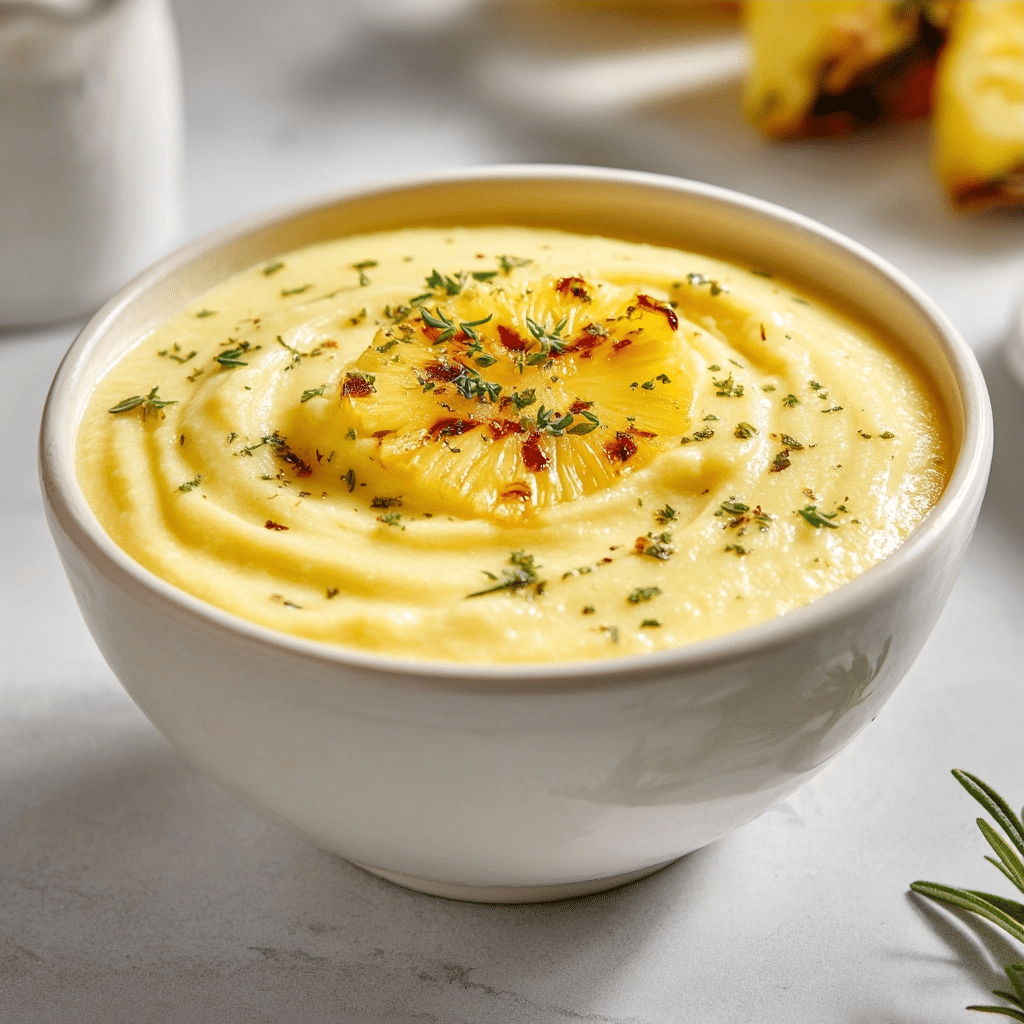
Pineapple Coconut Smoothie bowls and beverages represent the ultimate refreshing tropical treat designed to nourish your body with essential vitamins while providing a creamy texture. This Pineapple Coconut Smoothie combines frozen tropical fruit with high-protein Greek yogurt and rich coconut milk to recreate a healthy, non-alcoholic version of a classic vacation drink. The natural sweetness from the frozen pineapple chunks balances the tangy profile of the yogurt, while the honey provides a gentle floral finish to every sip. Most people prefer this blend for its high vitamin C content and the satiety provided by the healthy fats found in coconut milk. Execution requires only a high-speed blender and a few minutes of preparation time to yield a restaurant-quality beverage suitable for any time of day. By following this expert guide, you will master the art of achieving a thick, velvety consistency that rivals any professional juice bar or tropical resort offering.
| Prep Time | Cook Time | Total Time | Servings | Difficulty | Cuisine |
|---|---|---|---|---|---|
| 5 minutes | 0 minutes | 5 minutes | 2 servings | Easy | Tropical |
Why This Recipe Works
Creating this beverage in my kitchen allowed me to appreciate the strategic balance between frozen components and liquid bases. The inclusion of a frozen banana serves as a natural emulsifier, producing a thickness that prevents the drink from becoming watery within minutes of serving. I discovered that using full-fat coconut milk adds a luxurious mouthfeel that lower-calorie alternatives simply cannot replicate during the blending process.
Through consistent testing, I found that the Greek yogurt provides a necessary acidity that cuts through the intense sweetness of the pineapple and honey. This specific combination ensures the drink remains refreshing rather than cloying, making it an ideal choice for a morning meal or a post-workout recovery snack. The addition of toasted coconut flakes at the end provides a contrasting crunch that enhances the overall sensory experience of the smoothie.
Ingredients
Quality ingredients dictate the final flavor profile and nutritional density of your tropical fruit blend.
| Ingredient | Quantity | Notes/Alternatives |
|---|---|---|
| Frozen Pineapple Chunks | 2 cups | Fresh pineapple works with more ice cubes. |
| Banana | 1 medium | Use an overripe banana for maximum sweetness. |
| Coconut Milk | 1 cup | Canned for richness or carton for lighter version. |
| Greek Yogurt | 1/2 cup | Use plain or vanilla; coconut yogurt for vegan. |
| Honey | 1 tablespoon | Substitute with agave or maple syrup if desired. |
| Ice Cubes | 1/2 cup | Adjust based on desired thickness and temperature. |
| Toasted Coconut Flakes | Garnish | Unsweetened flakes provide the best nutty flavor. |
Step-by-Step Instructions
Following a specific order of operations ensures your blender processes the ingredients efficiently without overtaxing the motor.
Phase 1: Component Preparation
- Peel the banana and break it into three large segments to increase surface area for the blades.
- Measure the frozen pineapple chunks and keep them in the freezer until the exact moment of blending.
- Toast the coconut flakes in a dry pan over medium heat for two minutes until golden.
Phase 2: Blending the Ingredients
- Pour the coconut milk and Greek yogurt into the blender base to provide immediate lubrication.
- Add the banana segments, honey, and frozen pineapple chunks into the liquid mixture.
- Place the ice cubes on top of the fruit to help push the solids down during the cycle.
- Secure the lid and start the blender on a low speed to break up the frozen solids.
- Increase the speed to high for forty-five seconds until the mixture looks completely creamy.
Phase 3: Finishing and Garnish
- Turn off the blender and check the consistency with a spoon to ensure no lumps remain.
- Pour the thick liquid into two chilled glasses to maintain the frosty temperature.
- Sprinkle a generous tablespoon of toasted coconut flakes over the top of each serving.
Chef Tips for Perfect Results
- Use frozen pineapple instead of fresh fruit to achieve a slushy texture without diluting the flavor with excess ice.
- Pour the liquid ingredients into the blender first to prevent the frozen fruit from getting stuck under the blades.
- Freeze your banana the night before by slicing it into coins; this creates an even smoother, ice-cream-like consistency.
- Pulse the blender several times before running a continuous high-speed cycle to preserve the life of your equipment.
- Adjust the sweetness after blending by tasting a small spoonful and adding extra honey only if the fruit is tart.
Common Mistakes to Avoid
Avoid these common errors to ensure your Pineapple Coconut Smoothie remains high quality and visually appealing.
Mistake 1: Using room temperature liquids which results in a lukewarm drink that lacks the refreshing chill required for tropical recipes. Always use chilled coconut milk or refrigerated yogurt to maintain the icy integrity of the frozen pineapple.
Mistake 2: Over-blending the mixture for several minutes which creates heat from the friction of the blades and melts the ice. Stop the blending process as soon as the texture is uniform to keep the beverage thick and stable.
Mistake 3: Skipping the Greek yogurt which results in a thinner beverage that lacks protein and a complex flavor profile. The yogurt acts as a binder that keeps the water-based pineapple and fat-based coconut milk from separating in the glass.
Mistake 4: Using sweetened coconut milk alongside honey and ripe fruit which makes the final drink aggressively sugary and high in calories. Stick to unsweetened varieties of coconut milk and adjust the honey based on the natural sugar levels of your banana.
Variations and Substitutions
Modifying the recipe allows you to cater to different dietary needs while maintaining the core tropical essence.
| Ingredient | Substitution | Impact on Flavor |
|---|---|---|
| Greek Yogurt | Coconut Yogurt | Increases coconut intensity and makes it dairy-free. |
| Honey | Medjool Dates | Adds a caramel-like sweetness and extra fiber content. |
| Coconut Milk | Almond Milk | Creates a lighter, nuttier, and less creamy beverage. |
| Pineapple | Mango Chunks | Shifts the flavor toward a sweeter, stone-fruit profile. |
Serving Suggestions and Pairings
Presenting this smoothie properly enhances the enjoyment of the tropical flavors during breakfast or social gatherings. Serve the Pineapple Coconut Smoothie in a tall hurricane glass or a hollowed-out pineapple for a festive birthday brunch or summer pool party. This drink pairs exceptionally well with savory breakfast items like avocado toast or a vegetable frittata to balance the sweetness. For a midday snack, serve it alongside a handful of raw almonds or macadamia nuts to increase the protein intake. The vibrant yellow color makes it an excellent centerpiece for a tropical-themed breakfast buffet served on a wooden tray with fresh hibiscus flowers.
Storage and Reheating
Fresh smoothies are always best consumed immediately, but you can preserve leftover portions using specific methods to maintain quality.
| Method | Duration | Instructions |
|---|---|---|
| Refrigerator | 24 Hours | Store in an airtight mason jar; shake well before drinking. |
| Freezer Pops | 1 Month | Pour into silicone popsicle molds for a frozen treat. |
| Ice Cube Trays | 2 Weeks | Freeze into cubes to use as a base for future smoothies. |
Nutritional Information
Approximate values are calculated based on standard ingredient sizes per one serving of the recipe.
| Nutrient | Amount per Serving |
|---|---|
| Calories | 310 kcal |
| Protein | 8g |
| Total Fat | 12g |
| Carbohydrates | 48g |
| Fiber | 5g |
| Sugar | 32g |
| Vitamin C | 85% DV |
Mastering a high-quality Pineapple Coconut Smoothie allows you to enjoy a nutrient-dense beverage that feels like an indulgence. The combination of frozen fruit, creamy fats, and natural sweeteners creates a reliable recipe that works as a quick breakfast or a refreshing afternoon pick-me-up. By following the specific layering techniques and choosing the right ingredients, you ensure a perfect result every time you use your blender. Do not overlook the importance of the garnish, as the toasted coconut flakes provide the essential texture that makes this recipe stand out among standard fruit blends. You now have the professional knowledge to customize this drink to your liking, whether you prefer it extra thick or slightly more liquid. Share this tropical experience with friends and family during the warm summer months to bring a taste of the islands into your home. The bright, acidic notes of pineapple and the cooling properties of coconut milk will keep you coming back to this classic preparation. Enjoy the revitalizing benefits of these natural ingredients while savoring the incredible signature pineapple coconut flavor.
FAQ
Can I use coconut water instead of milk?
You can use coconut water to create a lighter and more hydrating beverage with fewer calories. This substitution will result in a thinner consistency that resembles a juice rather than a creamy milkshake profile. Add an extra half banana to restore some of the lost creaminess if you choose this alternative.
Is this Pineapple Coconut Smoothie recipe vegan-friendly?
This recipe becomes vegan by simply replacing the Greek yogurt with a plant-based coconut or almond yogurt. You must also substitute the honey with maple syrup or agave nectar to adhere to strict vegan guidelines. The flavor profile remains largely the same with these minor plant-based adjustments.
How do I make the smoothie thicker without adding more ice?
Add more frozen fruit such as extra pineapple or a frozen avocado half to increase thickness without diluting the taste. Using more ice often leads to a grainy texture, whereas extra frozen fruit maintains a smooth and flavorful mouthfeel. Ensure your banana is completely frozen before blending for the best results.
Can I prepare this smoothie the night before?
Preparing the smoothie at night is possible if you store it in a sealed jar with minimal headspace. The ingredients will naturally separate over time, so you must shake the container vigorously or re-blend for ten seconds before consumption. For the best texture, always store prepared smoothies in the coldest part of the refrigerator.
What should I do if my smoothie is too tart?
Balance the acidity by adding an extra teaspoon of honey or a few drops of liquid stevia. Sometimes pineapple acidity varies by season, so tasting before pouring is essential for flavor control. A small pinch of sea salt can also help to suppress bitterness and enhance the natural sugars in the fruit.
Print
Pineapple Coconut Smoothie: Tropical Refreshment
- Total Time: 5
- Yield: 2 servings
- Diet: Vegetarian
Description
A creamy, vitamin-packed tropical smoothie blending frozen pineapple, Greek yogurt, and coconut milk. Naturally sweetened with honey and balanced with a frozen banana for thickness. Ideal for a refreshing breakfast or post-workout snack with a luxurious, restaurant-quality texture.
Ingredients
2 cups frozen pineapple chunks
1 medium banana
1 cup full-fat coconut milk
1/2 cup plain Greek yogurt
1 tablespoon honey
1 tablespoon toasted coconut flakes (optional)
Ice cubes (optional)
Instructions
Add frozen pineapple, frozen banana, and half the coconut milk to a high-speed blender
Blend until smooth, scraping down sides as needed
Add remaining coconut milk, Greek yogurt, and honey
Blend again until velvety and fully combined
Transfer to glasses and top with toasted coconut flakes
Serve immediately for optimal texture
Notes
Use fresh pineapple with additional ice if frozen fruit is unavailable
Canned coconut milk yields richer texture than carton versions
Add 1 tbsp protein powder for extra satiety
Store leftovers in airtight containers for up to 24 hours
- Prep Time: 5
- Category: Healthy Smoothie Drink Recipes Ideas
- Method: Blending
- Cuisine: Tropical