
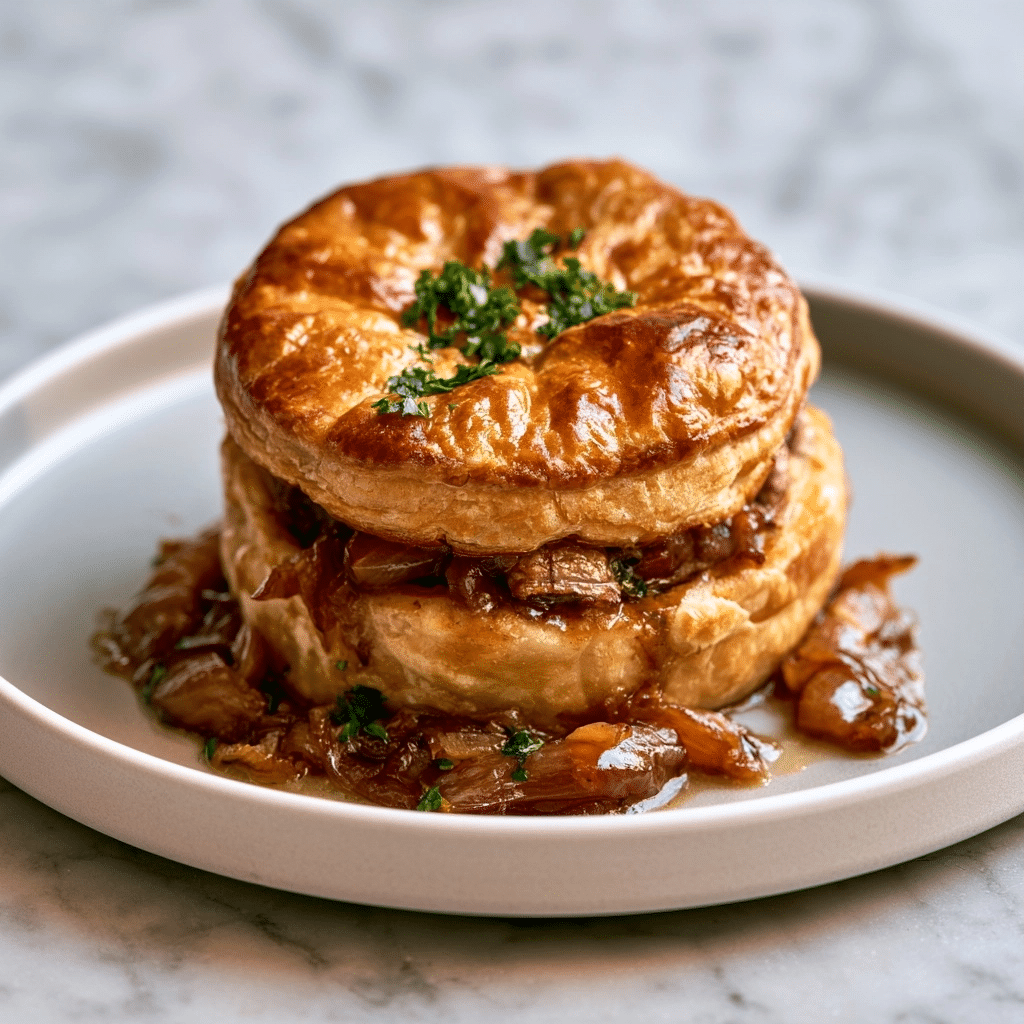
Steak and Onion Pie provides a quintessential comfort food experience, combining tender, slow-cooked beef with aromatic onions encased in golden, buttery pastry. This classic dish appeals to home cooks who value wholesome, stick-to-your-ribs meals that bring family and friends together around the dinner table. By utilizing low-heat braising techniques, the beef achieves a melt-in-your-mouth texture while the onions caramelize into a rich, deep base. Its savory aroma and contrasting textures of crisp pastry and saucy filling make it a must-have recipe for any cook seeking a reliable, satisfying dinner. Master this dish, and you will transform simple, high-quality ingredients into a restaurant-quality meal that delivers comfort in every bite.
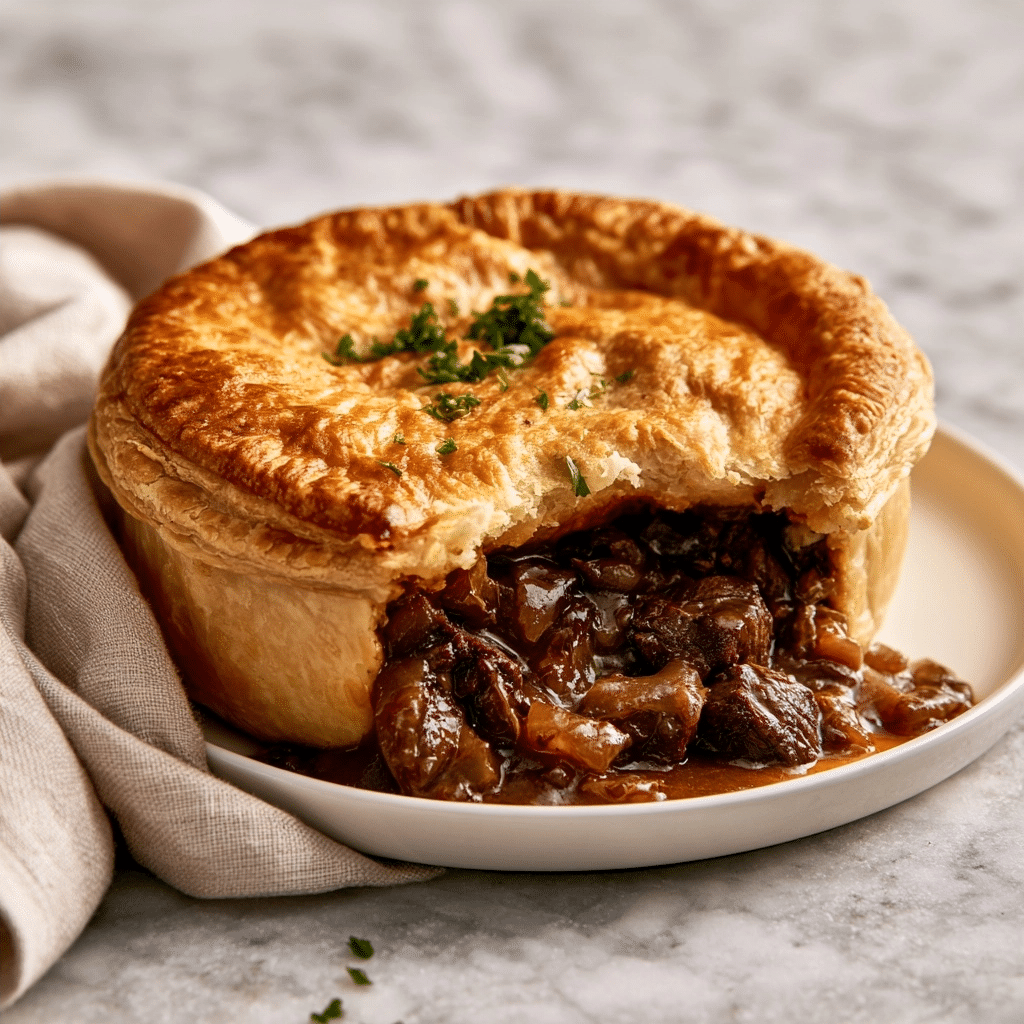
What Is Steak and Onion Pie?
Steak and Onion Pie is a traditional savory pastry dish featuring chunks of chuck steak and finely diced onions slow-cooked in a bold, umami-rich gravy. Often appearing in British and Australian cuisines, this dish is defined by its two-layer pastry construction: a sturdy shortcrust base that prevents the bottom from becoming soggy, and a light, flaky puff pastry lid that puffs up to golden perfection. Unlike a stew served in a bowl, a pie requires a thickened reduction to ensure the filling stays contained and flavorful. This dish remains a staple for cold-weather menus, offering a hearty, portable, and deeply satisfying culinary experience.
| Prep Time | 30 minutes |
|---|---|
| Cook Time | 150 minutes |
| Total Time | 180 minutes |
| Servings | 6 |
| Difficulty Level | Intermediate |
| Cuisine | Modern British/Australian |
| Calories per Serving | 650 |
Why You’ll Love This Recipe
- Effortless Preparation: The slow-cooking process does all the heavy lifting, making this an ideal set-and-forget dinner.
- Crowd-Pleasing Flavors: Every bite delivers a balance of savory beef, sweetness from long-simmered onions, and buttery, crisp pastry.
- Foolproof Method: Following the guided stages ensures you avoid common pitfalls like soggy pastry or tough meat.
- Versatile Use: This recipe works perfectly for casual weeknight dinners, weekend entertaining, or as a impressive, festive centerpiece.
The primary appeal of this pie lies in its ability to balance sophisticated flavor profiles with home-style simplicity. It is an excellent choice for meal planning, as the flavors only improve after resting in the refrigerator, allowing you to prepare the base ahead of time for a stress-free assembly.
Why This Recipe Works
Through years of experimenting with various cuts of beef, I found that chuck steak is the undisputed champion for pies. Its high collagen content breaks down during the slow braise, thickening the sauce naturally and ensuring that the meat remains tender rather than dry. The choice to use a two-step thickening process is key to success; by searing the beef first to build a crust, and then incorporating a mushroom-flour roux toward the end, we create a velvety, thick gravy that clings to every morsel of meat.
Technically, the secret lies in the temperature gradient. By cooling the filling to room temperature or chilled condition before adding the puff pastry, we ensure the butter layers in the dough do not melt prematurely. If the filling is too hot during assembly, the pastry will lose its lift and potential for steam-powered flakiness. The separation of the cooking phases ensures the onions achieve a deep sweetness while the garlic infuses the stock without burning, resulting in a balanced, nuanced sauce that stands up to the richness of the pastry.
The sensory payoff is profound. As the pie bakes, the steam releases an inviting, earthy aroma that fills the kitchen. Upon slicing, the contrast between the shattering crispness of the golden puff pastry sleeve and the dense, concentrated savory filling creates a multi-textural experience. The visual appeal of the dark, glossy interior against the light, airy topping confirms this is the gold standard for savory pies.
Pro Tips Before You Start
Room Temperature Meat: Remove your beef from the refrigerator 30 minutes before searing to ensure even cooking and prevent rapid cooling of your pan.
Pat Dry Beef: Use paper towels to dry the cubed steak before seasoning; moisture on the surface creates steam, preventing the crucial brown crust.
Mise en Place: Prepare all liquid ingredients and spices in advance, as the cooking process moves quickly once the heat is applied to the aromatics.
Ingredients
Here’s everything you’ll need to make your steak and onion pie.
| Ingredient | Quantity | Notes/Alternatives |
|---|---|---|
| Chuck Steak | 1 kg (2.2 lbs) | Cut into 3cm cubes |
| Olive Oil | 60g (1/4 cup) | Extra virgin preferred |
| Brown Onions | 2 large | Finely chopped |
| Garlic | 2 cloves | Minced |
| Tomato/BBQ/Worcestershire | 60g/60g/40ml | Balance of acidic and savory |
| Stock (Veg/Beef) | 750g (3.5 cups) | Warm up before adding |
| Dark Ale | 250g (1 cup) | Substitute with more stock if avoiding alcohol |
| Mushrooms | 95g (1 cup) | Sliced, then dried |
| Butter | 62g (1/4 cup) | Unsalted |
| All-Purpose Flour | 40g (1/4 cup) | For thickening |
| Short Crust Pastry | 2 sheets | Frozen, partly thawed |
| Puff Pastry | 2 sheets | Frozen, partly thawed |
Step-by-Step Instructions
Phase 1: Building the Flavor Base
- Preheat your fan-forced oven to 180C (350F) or 200C (395F) for conventional settings before you begin preparing ingredients.
- Season the cubed beef thoroughly with salt and pepper in a large mixing bowl to ensure every side is coated.
- Brown the beef in three separate batches using the oil in a heavy-based pot until deep golden brown, roughly 3 minutes per batch.
- Sauté the onions and garlic in the same pot over medium heat, stirring for 1 minute until fragrant and translucent.
- Whisk the tomato paste, BBQ sauce, Worcestershire sauce, stock (reserving some for later), and dark ale into the pot to deglaze.
- Crush the beef bouillon cube directly into the liquid, stirring until the mixture is fully incorporated and smooth.
Phase 2: The Slow Braise
- Cover the pot with a heavy lid and transfer it immediately into the preheated oven for 1.5 hours of cooking.
- Melt the butter in a separate skillet, then sauté the sliced mushrooms until they release their water and soften.
- Incorporate the flour into the mushroom mixture, stirring constantly until the roux becomes dry and fragrant, about 1 minute.
- Gradually add the remaining stock to the mushroom-flour mixture, whisking until a thick, smooth sauce forms perfectly.
- Combine the finished mushroom sauce into the beef pot once the meat is tender, simmering for 10 minutes to thicken.
- Cool the mixture completely at room temperature, which is essential to prevent the pastry from melting during construction.
Phase 3: Assembly and Baking
- Roll the shortcrust pastry sheets together on a floured surface to create a base large enough for your 9-inch dish.
- Transfer the cooled beef filling into the lined pie dish, ensuring an even distribution for consistent cooking.
- Cover the pie with the rolled-out puff pastry sheet, crimping the edges securely with a fork to seal the filling.
- Cut a vent in the center of the puff pastry with kitchen scissors to allow steam to escape during the bake.
- Brush the top with an egg wash (egg and milk whisked together) and apply sesame seeds for a beautiful finish.
- Bake for 1 hour until the pastry is golden, crisp, and high, then allow it to rest for 10 minutes before serving.
Chef Tips for Perfect Results
- Temperature Precision: Use a meat thermometer to ensure the beef reaches internal tenderness, making it easy to slice with a fork.
- Pastry Handling: Keep your pastry cold until the last moment; if it becomes too soft, place the assembled pie in the fridge for 10 minutes before baking.
- Seasoning Increments: Taste your filling before baking to ensure the salt and pepper balance perfectly suits your preference.
- Even Cuts: Cut your beef into consistent 3cm cubes to ensure all pieces reach the same tenderness within the 90-minute braise.
- Steam Vents: Do not skip the steam vent; trap moisture will render your pastry base soggy if steam cannot escape properly.
Common Mistakes to Avoid
- Overcrowding the Pot | Prevents browning of the beef, leading to a duller gravy flavor | Sear in small, manageable batches to ensure direct contact with heat | Allow space between pieces of meat during the initial sear.
- Hot Filling Assembly | Results in melted, greasy pastry that fails to rise | The fats in the pastry must stay solid until the oven heat hits | Always cool the filling fully before adding to the crust.
- Burning the Flour | Creates a bitter, burnt taste in the final sauce | Add flour and whisk immediately with liquid to form a stable roux | Watch the heat closely during the mushroom-sauce phase.
How to Make This Recipe Healthier
- Beef → Portobello Mushrooms: Replacing half the beef with hearty, meaty mushrooms reduces saturated fat significantly.
- Heavy Cream/Butter → Greek Yogurt: While not used in the sauce, ensure pastry options are lower in hydrogenated fats to reduce overall caloric load.
- Vegetable Stock Swap: Increase the ratio of root vegetables like carrots and celery to increase fiber content, effectively lowering the overall glycemic index of the pie.
Variations and Substitutions
| Ingredient | Substitution | Flavor Impact | Texture Impact |
|---|---|---|---|
| Chuck Steak | Lamb chunks | Gamey, robust | Slightly more tender |
| Dark Ale | Beef stock | Mild, savory | Negligible |
| Pastry | Gluten-free blend | Neutral | Flakier/Crumblier |
Can You Make This Ahead?
Yes. You can prepare the filling up to 3 days in advance and store it in an airtight container in the refrigerator. In fact, resting the filling overnight improves the depth of the flavor. Simply assemble the pastry layers and bake right before you intend to serve to ensure the fluffiest topping.
Serving Suggestions and Pairings
Serve this comforting pie alongside a crisp, acidic green salad drizzled with lemon vinaigrette to cut through the richness of the pastry. Roasted root vegetables, such as carrots or parsnips, provide an earthy accompaniment. For a beverage pairing, a full-bodied juice or sparkling water with lime complements the savory profile well. Present the pie in its baking dish for a rustic look that invites guests to serve themselves.
Best Occasions to Serve This Recipe
This dish is perfect for Sunday family gatherings where you want a substantial, high-effort-looking meal that is actually straightforward to produce. It serves as an excellent “prep-ahead” dinner for busy weeknights when you want to return to a pre-filled dish ready for the oven. It is also an ideal choice for fall and winter holiday hosting.
Storage and Reheating
| Method | Duration | Instructions |
|---|---|---|
| Refrigerator | 4 days | Airtight container, chilled |
| Freezer | 3 months | Wrap tightly in plastic and foil |
| Oven Reheat | 20 minutes | 180C (350F) until hot |
Nutritional Information
Approximate nutritional values per serving:
| Nutrient | Amount |
|---|---|
| Calories | 650 kcal |
| Protein | 35g |
| Fat | 38g |
| Carbohydrates | 42g |
| Fiber | 3g |
| Sugar | 4g |
| Sodium | 750mg |
*Approximate values based on standard ingredients. Actual nutrition varies by brand and substitutions.
Conclusion
Steak and Onion Pie stands as a triumph of traditional cooking, providing a deeply satisfying meal that rewards patience and technique. By mastering the art of the slow-braised filling and the two-tier pastry application, you create a dish that balances hearty nourishment with sophisticated flavors. This pie transforms basic pantry staples into an impressive centerpiece, making it a reliable favorite for any cook looking to elevate their dinner repertoire.
You will discover that once you have successfully executed this method, the variations are truly endless. Whether you are hosting a formal dinner or a relaxed weekend meal, this recipe serves as a dependable cornerstone of your culinary profile that delivers consistency and flavor every time.
Take the leap and bake this masterpiece this weekend. Your family will appreciate the effort, the kitchen will smell wonderful, and you will have created a meal that is as much about the process as it is about the final, mouth-watering slice. Save this recipe for your next big occasion and enjoy the rewarding results.
FAQ
Can I substitute the dark ale with a non-alcoholic option?
Yes, you can easily substitute the ale with more beef or vegetable stock along with a splash of balsamic vinegar. This adds the necessary acidity and depth that the ale would otherwise contribute to the gravy.
How do I know when the pie is fully cooked?
The pie is done when the pastry is deep golden brown and you can see the gravy bubbling slightly through the steam vent. The internal temperature of the filling should be steaming hot.
What should I do if the pastry is getting too dark?
If the pastry browns too quickly before the filling is hot, place a loose tent of aluminum foil over the top of the dish. This prevents further browning while allowing the heat to continue warming the interior.
Can I assemble the pie the day before?
It is best to keep the filling and pastry separate until just before baking. Assembling the raw pastry and leaving it in the fridge can lead to the crust absorbing moisture and becoming soggy.
Is this recipe suitable for a gluten-free diet?
You can make this recipe gluten-free by using a high-quality gluten-free flour for the roux and choosing certified gluten-free pre-made pastry sheets. Ensure your bouillon and sauces are also certified gluten-free as they often contain hidden wheat.
Print
Perfect Steak and Onion Pie
- Total Time: 180
- Yield: 6 servings
- Diet: Non-Vegetarian
Description
This classic Steak and Onion Pie is the ultimate comfort meal, featuring tender, slow-braised chuck steak and sweet, caramelized onions nestled in a rich, savory gravy. Encased in a buttery shortcrust base and topped with a light, flaky puff pastry lid, this dish delivers sophisticated, hearty flavors in every bite. Perfect for family gatherings, this recipe transforms high-quality, humble ingredients into a restaurant-quality centerpiece that is sure to leave everyone satisfied and warm.
Ingredients
800g beef chuck steak, cut into 3cm cubes
3 large onions, finely diced
3 tablespoons olive oil
2 tablespoons all-purpose flour
500ml beef stock (halal certified)
2 sprigs fresh thyme
1 sheet shortcrust pastry
1 sheet puff pastry
1 egg, beaten
Salt and black pepper to taste
Instructions
Heat olive oil in a heavy-based pot and brown the beef cubes in batches, then set aside.
In the same pot, sauté the onions until soft and golden brown.
Stir in the flour and cook for 1 minute before gradually adding the beef stock, stirring to create a smooth gravy.
Return the beef to the pot, add thyme, and simmer on low heat for 2 hours until the meat is tender.
Let the filling cool completely before assembling the pie.
Preheat oven to 200°C (400°F).
Line a pie dish with the shortcrust pastry and add the cooled beef filling.
Place the puff pastry on top, seal the edges, and brush with beaten egg.
Bake for 30 minutes, or until the top is golden and puffed.
Notes
Ensure the beef filling is completely cool before adding to the pastry to prevent a soggy crust. You can prepare the filling a day in advance for better flavor development.
- Prep Time: 30
- Cook Time: 150
- Category: Meals
- Method: Braising and Baking
- Cuisine: Modern British/Australian