
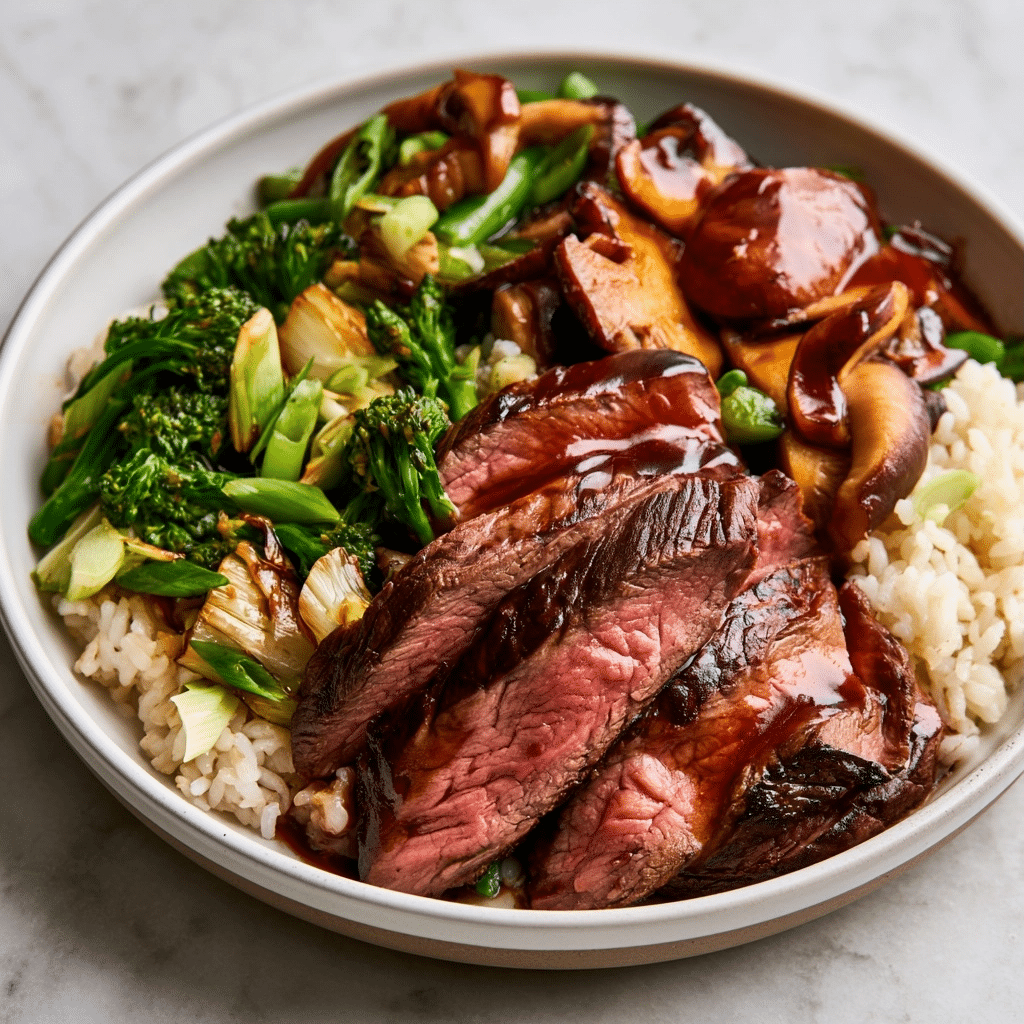
Hibachi steak bowls provide a restaurant-quality dining experience at home by combining savory, tender sirloin with crisp vegetables and flavorful rice. This dish works perfectly for busy weeknights when you need a satisfying, protein-packed meal that comes together in less than an hour. The combination of ginger, garlic, and sesame oil creates a complex profile that balances the richness of the steak with the freshness of the produce. By preparing this meal in your own kitchen, you control the quality of the ingredients while achieving that signature sear found at traditional teppanyaki grills. Follow this guide to master the technique and bring this popular Japanese-style comfort food to your dinner table tonight.
What Is Hibachi Steak Bowls?
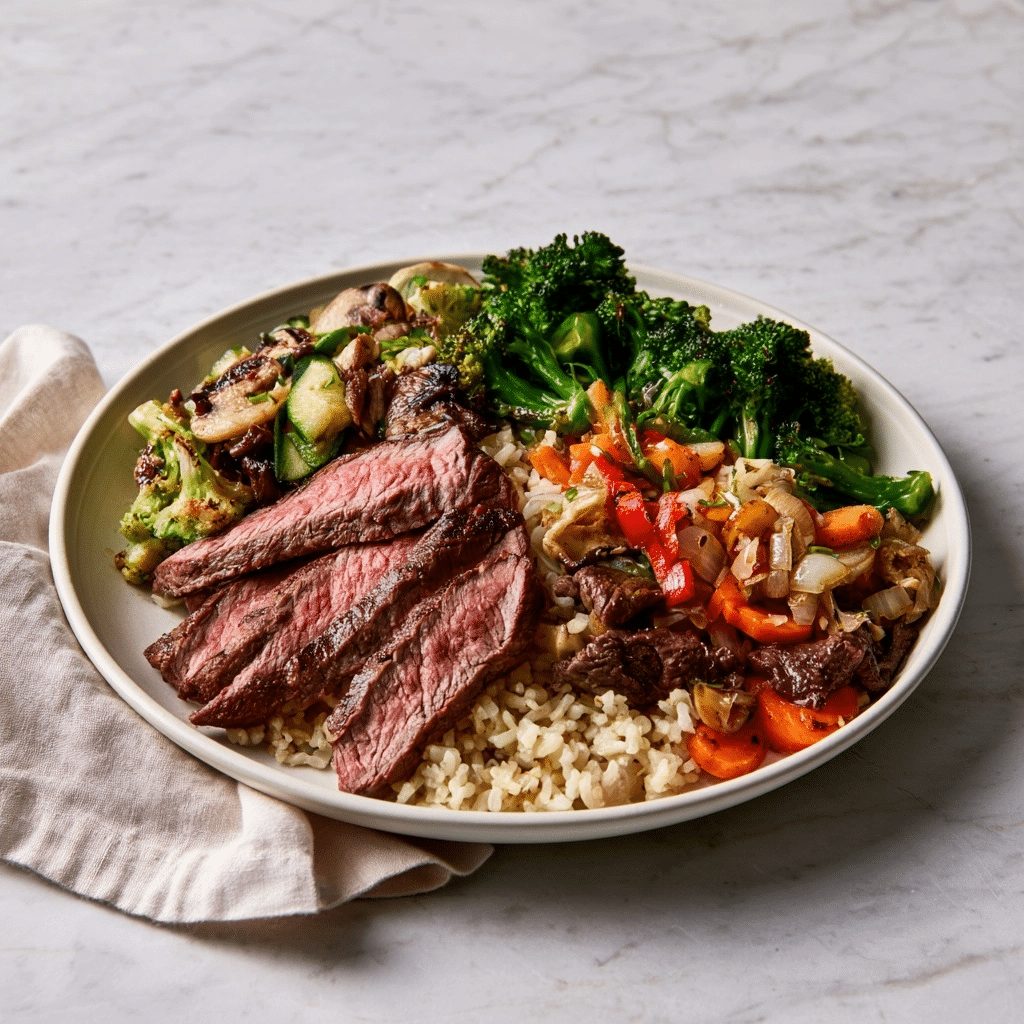
Hibachi steak bowls consist of bite-sized pieces of seared sirloin served over fluffy fried rice alongside a medley of stir-fried vegetables. The term hibachi refers to a traditional Japanese heating device, though in modern culinary contexts, it describes the high-heat, flat-top cooking style used to prepare these ingredients. Unlike many other stir-fry preparations, hibachi-style cooking emphasizes quick caramelization and minimal sauce interference to highlight the natural flavors of the protein. These bowls serve as a complete meal, balancing macronutrients through a mix of lean beef, fiber-rich carrots, zucchini, mushrooms, and complex carbohydrates from the rice.
| Prep Time | 30 minutes |
| Cook Time | 15 minutes |
| Total Time | 45 minutes |
| Servings | 4 |
| Difficulty Level | Easy |
| Cuisine | Japanese-Inspired |
| Calories per Serving | 480 kcal |
Why You’ll Love This Recipe
- Effortless Preparation: This recipe utilizes simple techniques that require no advanced training.
- Time-Saving Method: From prep to table, the entire meal finishes in under an hour.
- Crowd-Pleasing Flavors: The aromatic blend of ginger and sesame oil appeals to a wide variety of palates.
- Foolproof Scaling: You can easily double the ingredients to feed larger groups or prepare extra for meal prep.
- Highly Adaptable: Use your favorite seasonal vegetables to change the nutritional profile based on what you have on hand.
The primary appeal of these bowls lies in the harmony between simplicity and depth. Because the components cook rapidly over high heat, the flavors remain bright and distinct rather than muddy. This efficiency makes the dish a staple for busy schedules while maintaining the sophisticated presentation of an intentional, home-cooked dinner.
Why This Recipe Works
This recipe relies on the interaction between high-heat searing and aromatics to replicate the experience of an authentic hibachi grill. When I first experimented with these bowls, I noticed that marinating the steak for at least 30 minutes was the turning point for flavor penetration. That time allows the ginger and garlic to move past the surface, seasoning the meat throughout.
Technically, the success of this dish depends on the temperature of your skillet. Using high heat (medium-high) is essential for the Maillard reaction, which is the chemical process that creates a deep, brown crust on the sirloin. By searing the steak in a hot pan, you lock in moisture while creating a textured contrast against the tender, sautéed vegetables. This technique ensures the steak does not steam in its own juices, which would lead to a gray, tough result.
The sensory payoff is undeniable. You achieve a combination of savory, slightly nutty notes from the sesame oil, paired with the crisp-tender texture of carrots and zucchini. The visual appeal of the vibrant vegetables against the seared steak makes for a restaurant-worthy plate that smells of toasted aromatics the moment you hit the pan.
Pro Tips Before You Start
Mise en Place: Chop all vegetables and prepare the marinade before turning on the heat to ensure smooth assembly. Pat the Steak Dry: Use paper towels to dry the sirloin cubes before marinating to help achieve a superior sear. Don’t Overcrowd the Pan: Cook the steak in batches if necessary to ensure every piece gets contact with the hot surface. Use Room Temperature Steak: Pull the meat from the refrigerator 15 minutes before cooking to ensure even heat distribution.
Ingredients
Here’s everything you’ll need to make hibachi steak bowls.
| Ingredient | Quantity | Notes/Alternatives |
| Sirloin Steak | 1 pound (450g) | Cut into 1-inch cubes |
| Mirin | 1/4 cup | Can be omitted |
| Garlic | 3 cloves | Minced finely |
| Ginger | 1 tablespoon | Grated fresh or powdered |
| Sesame Oil | 2 tablespoons | Vegetable oil works as a neutral sub |
| Carrots | 2 medium | Sliced thinly into rounds |
| Zucchini | 1 medium | Sliced thinly into half-moons |
| Mushrooms | 8 ounces (225g) | Quartered |
| Fried Rice | 3 cups | Pre-cooked |
| Soy Sauce | 2 tablespoons | Low-sodium recommended |
Best Ingredients for Hibachi Steak Bowls
The quality of your protein serves as the foundation for this dish. Choose a well-marbled sirloin to ensure tenderness, as the short cooking time doesn’t allow for the breakdown of tough connective tissue found in cheaper cuts. If you opt for lean cuts, be careful not to overcook the meat, which can make it chewy.
Fresh ginger adds a bright, zesty note that powdered alternatives cannot match. When shopping, look for firm knobs of ginger with tight, smooth skin. Similarly, high-quality toasted sesame oil provides the signature aroma associated with this dish; it acts as both a flavoring agent and a cooking fat. Always opt for low-sodium soy sauce to maintain control over the final salt content, as it allows you to season to taste at the very end.
Step-by-Step Instructions
Phase 1: Marination
- Combine mirin, minced garlic, grated ginger, and 1 tablespoon of sesame oil in a large mixing bowl.
- Add the cubed sirloin steak to the bowl and toss thoroughly to ensure every surface is coated.
- Cover the bowl with a lid or plastic wrap and place in the refrigerator for 30 minutes.
Phase 2: Vegetable Preparation and Sauté
- Wash and pat dry the carrots, zucchini, and mushrooms to prevent excess moisture in the pan.
- Slice the carrots and zucchini into thin, uniform rounds to ensure they cook at the same rate.
- Quarter the mushrooms into bite-sized pieces and set them aside with the other vegetables.
- Heat a large skillet over medium heat with the remaining tablespoon of sesame oil until shimmering.
- Add the prepared vegetables to the skillet and sauté for 5 to 7 minutes until they are tender.
Phase 3: Final Sear and Assembly
- Increase the heat of your skillet to medium-high (approximately 375°F or 190°C) for the protein.
- Add the marinated steak to the skillet, spacing the cubes out to avoid crowding the pan.
- Sear the steak for 4 to 5 minutes, turning occasionally, until the edges are golden brown and charred.
- Mix the cooked steak with the sautéed vegetables in the skillet to combine the flavors.
- Serve the mixture over a generous portion of warm fried rice and drizzle with soy sauce.
Chef Tips for Perfect Results
- Temperature Control: Use a high-smoke point oil if you find the sesame oil is browning too quickly during the initial sauté.
- Visual Doneness: Look for a deep, dark brown sear on the steak cubes, which signals the flavor-packed caramelization.
- Resting Time: Let the cooked steak rest in the skillet for 2 minutes before serving to ensure the juices redistribute.
- Uniform Cuts: Slice vegetables to a consistent 1/4-inch thickness so they reach a tender texture simultaneously.
- Seasoning Adjustment: Taste the final mixture before adding the soy sauce, as the mirin and soy sauce can vary in salinity.
Common Mistakes to Avoid
- Overcrowding the Skillet: [What] The steak steams instead of sears. [Why] Too much moisture is released at once, dropping the pan temperature. [Fix] Cook in two batches if your pan is smaller than 12 inches.
- Cutting Steak Too Large: [What] The exterior burns before the center is cooked. [Why] Large cubes require more time to reach a safe internal temperature. [Fix] Keep cubes to a uniform 1-inch size.
- Ignoring Ingredient Prep: [What] Vegetables burn while you are busy chopping. [Why] Hibachi cooking happens extremely fast. [Fix] Use the mise en place technique to have all ingredients ready before turning on the heat.
How to Make This Recipe Healthier
- All-Purpose Fried Rice → Cauliflower Rice: Reduces carbohydrates by 70% while adding fiber; it provides a lighter base that absorbs the pan juices well.
- Standard Soy Sauce → Coconut Aminos: Reduces sodium content by nearly 50%; it adds a slightly sweeter, milder flavor that pairs beautifully with the ginger.
- Sirloin → Extra-Lean Cut: Lowers the fat content by 25%; ensure you monitor cook time closely, as leaner cuts dry out faster than marbled sirloin.
Variations and Substitutions
Customizing your bowl allows you to tailor the dish to your specific dietary needs or flavor preferences.
| Ingredient | Substitution | Impact on Flavor | Impact on Texture |
| Sirloin | Tofu Cubes | Milder, absorbs seasonings | Softer, spongy |
| Mirin | Rice Vinegar + Sugar | Sharper acidity | No change |
| Carrots | Bell Peppers | Sweeter, more floral | Softer crunch |
| Fried Rice | Quinoa | Nutty, earthy | Grained, firmer |
Can You Make This Ahead?
Yes, you can prepare components of this dish ahead of time. The marinade process is actually improved by prepping the steak up to 4 hours in advance, keeping the flavor profile deep. You can chop all your vegetables 24 hours ahead and store them in airtight containers in the refrigerator. However, for the best texture and freshness, cook the steak and vegetables immediately before serving. Combining everything when fresh ensures the vegetables retain their slight crunch and the steak remains tender.
Serving Suggestions and Pairings
Serve these bowls warm in wide, shallow dishes to showcase the colorful presentation of the seared beef and fresh vegetables. A side of pickled ginger or a simple cucumber salad with sesame seeds adds a refreshing contrast to the savory steak. For a beverage pairing, a chilled green tea or a light, crisp sparkling water with a squeeze of lime complements the ginger and soy flavors perfectly. If you are hosting a casual dinner party, set out a small bowl of spicy chili oil or toasted sesame seeds for guests to customize their own heat and texture levels.
Best Occasions to Serve This Recipe
This dish excels as a Tuesday-night dinner when you need a quick win, as well as for weekly meal prep sessions. It is also an excellent “show-off” recipe for novice cooks wanting to impress at a casual gathering because the high-heat cooking method feels dramatic and professional. The balanced profile makes it suitable for family dinners with picky eaters, as the components are easily identifiable and customizable.
Storage and Reheating
Store any leftovers in an airtight container to maintain moisture. The dish remains safe and flavorful for up to 3 days in the refrigerator.
| Method | Duration | Instructions |
| Refrigerator | 3 days | Keep in a sealed, airtight container. |
| Freezer | 1 month | Store in a freezer-safe bag; thaw overnight in the fridge. |
| Stovetop | 5 minutes | Reheat in a pan over medium heat with a splash of water to steam. |
| Microwave | 2 minutes | Use a microwave-safe dish; cover to prevent drying. |
Nutritional Information
Approximate nutritional values per serving:
| Nutrient | Amount per Serving |
| Calories | 480 |
| Protein | 32g |
| Fat | 18g |
| Carbohydrates | 45g |
| Fiber | 4g |
| Sugar | 6g |
| Sodium | 750mg |
*Approximate values based on standard ingredients. Actual nutrition varies by brand and substitutions.
Conclusion
Mastering hibachi steak bowls brings a restaurant-grade dinner into your home with minimal stress. By focusing on the high-heat searing of the sirloin and the vibrant freshness of the vegetables, you create a meal that satisfies both the hunger for comfort and the desire for quality. This recipe proves that you do not need complex equipment or hours in the kitchen to achieve bold, savory results that resonate at the dinner table.
The versatility of these bowls means you can adapt them to your pantry or preferences without sacrificing the core appeal of the dish. It is a reliable, crowd-pleasing option that transforms simple staples into an impressive, cohesive meal. Take a moment to try this recipe for your next weeknight dinner and you will discover just how simple it is to elevate your home cooking routine.
FAQ
Can I substitute sirloin with chicken?
Yes, chicken breast or thigh meat works well in this recipe. Ensure you adjust the cooking time to ensure the chicken reaches an internal temperature of 165°F (74°C).
How do I know when the steak is done cooking?
The steak is done when it reaches your preferred internal temperature and exhibits a deep, charred exterior. Use an instant-read thermometer to check for 135°F (57°C) for medium-rare.
What should I do if the sauce is too salty?
If the dish tastes too salty, add a splash of rice vinegar or a teaspoon of brown sugar to neutralize the intensity. Alternatively, increase the vegetable volume slightly to dilute the seasoning.
Can I make these bowls the day before?
You can marinate the steak and chop the vegetables the day before, but cooking should happen fresh. Reheated steak and vegetables often lose their ideal texture, so cook just before eating.
How do I reheat without drying out the steak?
The best way to reheat is on the stovetop over medium heat with a tablespoon of water or broth. This creates a small amount of steam to keep the meat moist during warming.
Is this recipe suitable for a gluten-free diet?
Yes, ensure you use a certified gluten-free soy sauce or tamari in place of standard soy sauce. Verify your mirin label as well, as some brands may contain wheat-based ingredients.
Print
Perfect Hibachi Steak Bowls
- Total Time: 45
- Yield: 4 servings
- Diet: High Protein
Description
Experience a restaurant-quality meal at home with these tender sirloin steak bowls. Featuring perfectly seared beef, vibrant stir-fried vegetables, and fluffy rice, this dish captures the essence of Japanese teppanyaki cooking. Infused with aromatic ginger, garlic, and sesame oil, it is a balanced, protein-packed meal that is both satisfying and quick to prepare on busy weeknights.
Ingredients
1.5 lbs sirloin steak, cut into bite-sized cubes
2 cups cooked jasmine rice
1 zucchini, sliced into half-moons
2 large carrots, julienned
8 oz cremini mushrooms, sliced
3 tablespoons soy sauce (or tamari)
2 tablespoons sesame oil
1 tablespoon fresh ginger, minced
3 cloves garlic, minced
2 green onions, sliced for garnish
1 tablespoon vegetable oil for searing
Instructions
Heat a large skillet or wok over high heat and add the vegetable oil.
Add the steak cubes in a single layer and sear until browned on all sides, then remove and set aside.
In the same pan, add the carrots and mushrooms, stir-frying for 3-4 minutes until tender-crisp.
Add the zucchini to the pan and continue to stir-fry for another 2 minutes.
Stir in the minced garlic and ginger until fragrant, about 30 seconds.
Return the steak to the pan and pour in the soy sauce and sesame oil, tossing everything together quickly to coat.
Serve the steak and vegetable mixture over bowls of warm, fluffy jasmine rice.
Garnish with sliced green onions before serving.
Notes
Ensure your pan is very hot before adding the steak to achieve the signature hibachi sear. You can substitute sirloin with tenderloin if preferred. Keep the vegetables moving constantly to maintain their crunch. Leftovers can be stored in an airtight container for up to 3 days.
- Prep Time: 30
- Cook Time: 15
- Category: Meals
- Method: Stir-fry
- Cuisine: Japanese-Inspired