
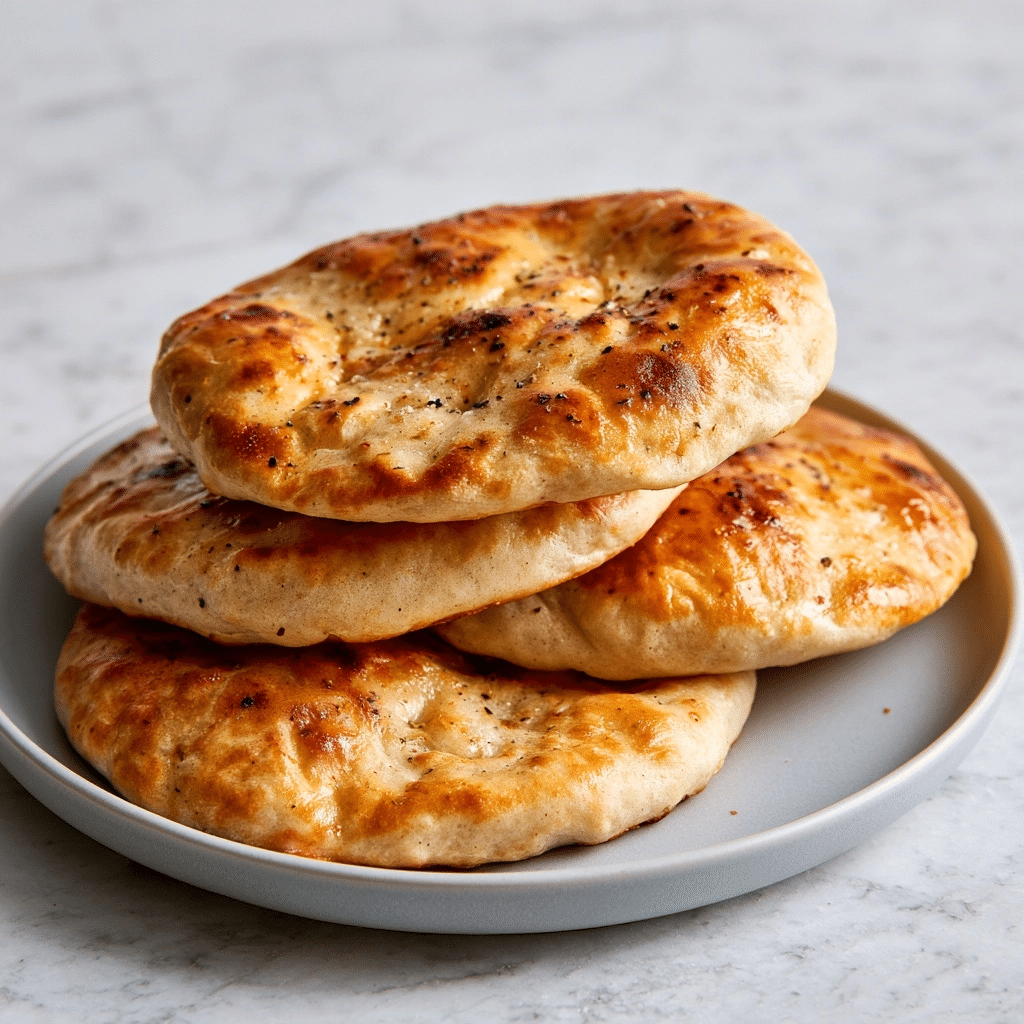
No-Knead Turkish Bread (Bazlama) is a simple, quick, and soft stovetop flatbread that fits perfectly into any meal plan. This traditional yeast-leavened bread offers a pillowy, airy texture and a mild flavor that pairs well with everything from savory breakfast dips to dinner stews. Whether you are a beginner baker or a seasoned pro looking for a time-saving bread recipe, this method delivers consistent results. By mastering this stovetop technique, you create an impressive, restaurant-quality side dish in your own kitchen. This bread remains soft for days, providing a reliable staple for your family table.
What Is No-Knead Turkish Bread (Bazlama)?
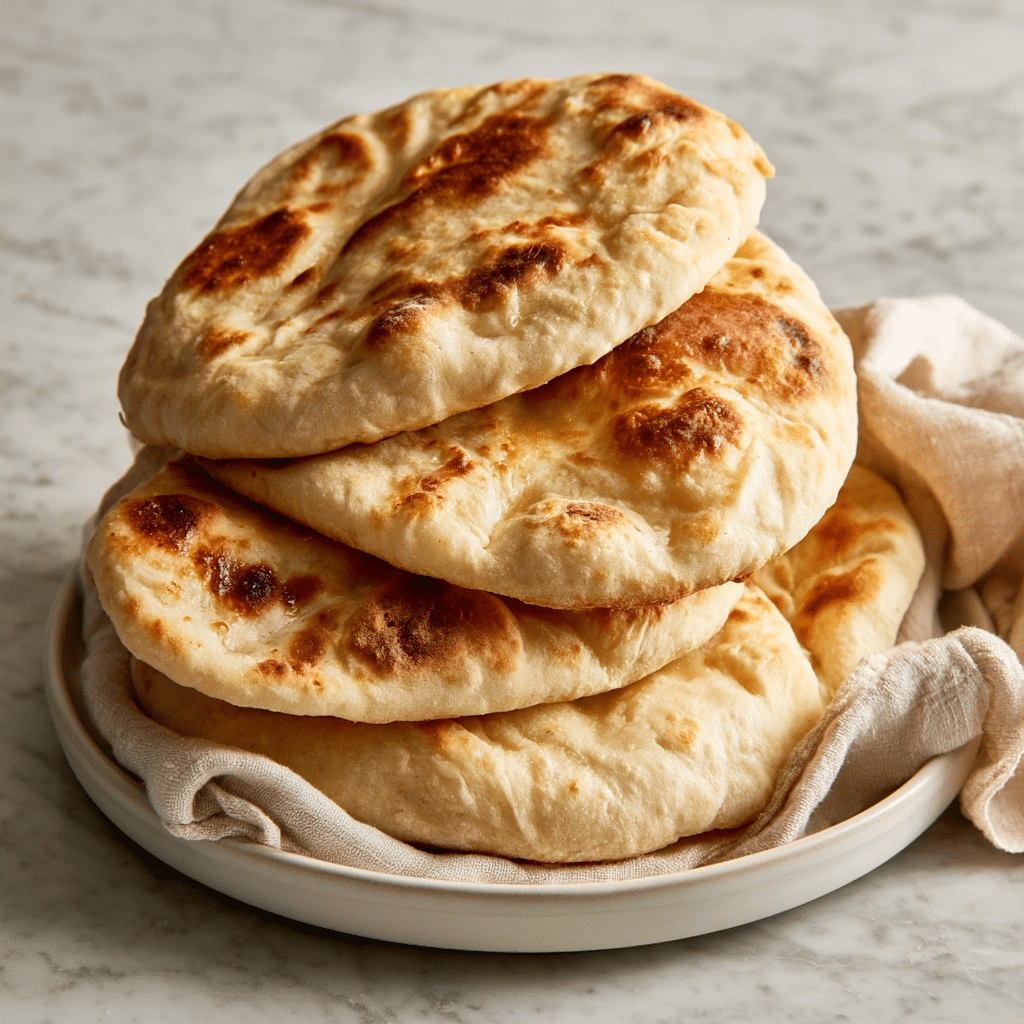
No-Knead Turkish Bread (Bazlama) is a classic leavened flatbread originating from Turkish cuisine, traditionally cooked on a hot griddle or saj. Unlike oven-baked loaves, this flatbread requires only a heavy-bottomed pan to achieve its signature airy pocket and golden-brown exterior. It differs from pita because of its slightly thicker, fluffier crumb and softer crust. Bazlama is prized for its versatility and simplicity, often served warm alongside butter, honey, jams, or savory spreads during breakfast and lunch.
Recipe Overview Table
| Prep Time | 20 minutes |
| Cook Time | 20 minutes |
| Total Time | 1 hour 40 minutes |
| Servings | 6 pieces |
| Difficulty Level | Easy |
| Cuisine | Turkish |
| Calories per Serving | 210 |
Why You’ll Love This Recipe
- Effortless preparation: Requires minimal manual labor compared to traditional sourdough or artisan loaves.
- Time-saving: The stovetop cooking method eliminates preheating a large oven, saving both electricity and time.
- Foolproof technique: The simple rise-and-cook process ensures consistent results even for novice bakers.
- Crowd-pleasing flavor: Its neutral, slightly sweet profile complements any topping or side dish.
This recipe is designed to be the ultimate time-saving solution for weeknight dinners or casual weekend brunches. It is completely beginner-friendly, requiring basic pantry staples that most home cooks already have on hand. Whether you are prepping for a large gathering or simply want a fresh loaf for the week, this method delivers reliability every single time.
Why This Recipe Works
My experience with this Turkish flatbread began in a small Istanbul bakery, where I watched bakers turn simple dough into ballooning rounds in seconds. The magic lies in the high moisture content of the dough, which generates steam rapidly when it hits the hot pan surface.
Technically, the success of this recipe depends on the interaction between the yeast and the hydration level. Using a mix of warm milk and water creates a tender crumb, while the initial high-heat sear locks in the moisture, forcing the center to puff up. The bubbles form because the outer layer of the dough sets quickly while the internal steam expands the gluten network, resulting in that iconic hollow pocket.
The sensory payoff is profound. The bread emerges from the pan with a distinct aroma of toasted yeast and a soft, chewy texture that is slightly resistant to the bite but yields easily. When brushed with melted butter, the surface gains a subtle sheen and a depth of flavor that highlights the simplicity of the ingredients. Visual appeal is maximized when the bread pops like a balloon, a sign of perfect fermentation and correct heat management.
Pro Tips Before You Start
Use a Thick Pan: A heavy-bottomed cast iron skillet holds heat better than thin aluminum, ensuring the bread puffs up correctly. Proofing Environment: Place your dough in a warm, draft-free spot to ensure the yeast remains active and the dough rises evenly. Mise en Place: Measure all your ingredients before starting to ensure a smooth assembly process and prevent any errors during mixing.
Ingredients
Here is everything you will need to make No-Knead Turkish Bread (Bazlama).
| Ingredient | Quantity | Notes/Alternatives |
| Bread Flour | 500g (4 cups) | All-purpose flour works too |
| Warm Milk | 160ml (2/3 cup) | Use full-fat for tenderness |
| Warm Water | 160ml (2/3 cup) | Keep around 110°F (43°C) |
| Instant Yeast | 10g (1.5 tbsp) | Ensure freshness |
| Sugar | 10g (1 tbsp) | Feeds the yeast |
| Salt | 8g (0.8 tbsp) | Sea salt is ideal |
| Butter/Olive Oil | 20g | Optional for topping |
Best Ingredients for Bazlama
Quality flour is the foundation of this bread. High-protein bread flour provides the structural integrity needed to trap the steam, which creates the bubbles. If you must use all-purpose flour, ensure it has at least 11% protein content to maintain the structure. Additionally, using fresh, active instant yeast is non-negotiable. If your yeast is expired, the dough will not rise, resulting in a dense, rubbery flatbread that fails to puff. Finally, using real butter rather than margarine adds a luxurious finish that complements the toasted surface of the bread.
Step-by-Step Instructions
Phase 1: Preparing the Dough
- Combine the warm milk, warm water, sugar, and yeast in a large mixing bowl until fully dissolved.
- Add the flour and salt to the liquid mixture, stirring with a wooden spoon until a shaggy dough forms.
- Knead the dough by hand on a floured surface for 8-10 minutes until smooth, elastic, and no longer sticky.
- Cover the bowl with a clean towel and proof in a warm area for 60 minutes until doubled.
Phase 2: Shaping and Rolling
- Divide the risen dough into 6 equal portions using a sharp bench scraper.
- Shape each portion into a smooth ball, then cover with a plastic bag to prevent skin from forming.
- Roll each ball out into a flat circle approximately 18 cm in diameter and 5 mm thick.
Phase 3: Cooking the Bread
- Heat a heavy-bottomed pan over medium heat until it registers 375°F (190°C).
- Place one dough round into the center of the pan without crowding.
- Bake for 2-3 minutes on one side until bubbles appear, then flip carefully.
- Cover the pan with a cloth or lid briefly to trap steam if necessary for even rising.
- Cook for another 2-3 minutes until golden brown spots appear on the bottom.
- Brush the finished bread with melted butter or olive oil immediately while still warm.
Chef Tips for Perfect Results
- Temperature Monitoring: Keep your pan at a steady medium heat to prevent burning the crust before the center is cooked.
- Don’t Over-roll: Rolling thinner than 5 mm prevents the bread from forming that signature balloon puff.
- Steam Control: Covering the pan during the first minute of cooking helps the internal steam expand the dough.
- Resting Period: Allow the dough to rest for 10 minutes after dividing to make rolling much easier.
- Visual Cues: Wait until the edges look set and the bubbles are firm before attempting the first flip.
Common Mistakes to Avoid
- Overmixing the Dough: Results in a tough texture as too much gluten develops, making it hard to roll out. Fold gently instead.
- Cold Ingredients: Using cold milk or water inhibits yeast activity, leading to a flat, dense final product. Always use warm liquids.
- Pan Too Thin: Causes uneven heat distribution, which prevents the bread from rising uniformly. Use a heavy cast iron or stainless steel pan.
- Overcrowding the Pan: Lowering the pan temperature by adding too many loaves at once prevents the quick rise needed for fluffiness.
How to Make This Recipe Healthier
You can adjust this recipe for a more nutrient-dense profile. Substituting 30% of the bread flour with white whole wheat flour adds fiber and a nutty depth without sacrificing too much softness. For a lower-fat option, omit the butter brushing and use a light misting of olive oil instead. While these swaps may lead to a slightly denser crumb, they significantly increase the satiety of each serving.
Variations and Substitutions
| Ingredient | Substitution | Flavor Impact | Texture Impact |
| Milk | Almond Milk | Nutty undertone | Slightly less tender |
| Bread Flour | Spelt Flour | Earthy, complex | More delicate |
| Butter | Garlic Oil | Savory, aromatic | No major change |
Can You Make This Ahead?
Yes, this bread is excellent for meal prep. You can prepare the dough through the first proofing stage up to 24 hours in advance if kept in the refrigerator. Simply shape and cook the loaves just before serving to ensure the best texture. If you have cooked loaves, store them in an airtight container for up to 3 days and revive them in a warm skillet for 30 seconds before eating.
Serving Suggestions and Pairings
Serve warm with a side of creamy hummus, marinated olives, and sliced cucumbers for a traditional breakfast. For dinner, pair with lentil soup or a hearty chickpea stew. The bread also acts as a perfect vessel for dips like baba ganoush or spicy muhammara. For a simple snack, drizzle with local honey or a spread of clotted cream.
Best Occasions to Serve This Recipe
This bread shines during weekend brunch, where guests can tear into warm loaves together. It is also an ideal addition to a casual mezze spread for dinner parties or as a reliable, kid-friendly side dish for Tuesday night meals. Its portability makes it a great item to bring to potlucks, as it stays soft for several hours after cooking.
Storage and Reheating
Follow these guidelines to maintain optimal freshness.
| Method | Duration | Instructions |
| Countertop | 2 days | Store in a sealed bread bag |
| Freezer | 3 months | Wrap tightly in plastic |
| Reheating | Stovetop | Warm on low heat for 1 minute |
Nutritional Information
Approximate nutritional values per serving:
| Nutrient | Amount per Serving |
| Calories | 210 |
| Protein | 7g |
| Fat | 3g |
| Carbohydrates | 42g |
| Fiber | 2g |
| Sugar | 1g |
| Sodium | 320mg |
*Approximate values based on standard ingredients. Not a substitute for professional nutritional advice.
Conclusion
No-Knead Turkish Bread (Bazlama) transforms simple pantry ingredients into a centerpiece that elevates any meal. By following this stovetop technique, you gain the ability to produce fresh, warm, and airy bread without the hassle of a traditional oven. Its versatility, ease of execution, and undeniable appeal make it a recurring favorite in any home kitchen.
You will discover that the process is as rewarding as the result. Whether you are serving it for a simple breakfast or as part of an elaborate dinner, this recipe consistently delivers impressive outcomes that satisfy everyone at the table. Save this recipe for your next kitchen session and enjoy the comfort of homemade bread whenever the mood strikes.
FAQ
Can I substitute bread flour with all-purpose flour?
Yes, you can substitute all-purpose flour for bread flour. Keep in mind that the bread may be slightly softer and have fewer large air bubbles compared to using high-protein bread flour.
How do I know when the bread is done cooking?
The bread is done when it has puffed up like a balloon and shows golden-brown spots on both sides. The interior should feel dry and spring back when gently pressed.
What should I do if the bread does not puff up?
If the bread does not puff, your pan may not have been hot enough or the dough was rolled too thick. Ensure your pan is properly preheated over medium heat before placing the dough inside.
Can I make the dough the day before?
Yes, you can refrigerate the dough after the first rise for up to 24 hours. Bring the dough to room temperature before shaping and rolling to ensure proper puffing.
How do I reheat the bread without drying it out?
Reheat the bread in a dry skillet over low heat for 30 to 60 seconds per side. Alternatively, wrap it in foil and warm it in a low-temperature oven.
Is this recipe suitable for a vegan diet?
Yes, this recipe is naturally vegan if you use olive oil for brushing instead of butter. Ensure your sugar source is vegan-certified if following a strict diet.
Print
Easy No-Knead Turkish Bread (Bazlama)
- Total Time: 100
- Yield: 6 pieces
- Diet: Vegan
Description
Bazlama is a delightful, traditional Turkish leavened flatbread that is cooked to perfection on a stovetop. This no-knead recipe yields a pillowy, soft, and airy loaf with a beautiful golden-brown crust. It is a versatile staple that pairs wonderfully with everything from savory breakfast dips to hearty stews. Perfect for beginners, this method delivers authentic, restaurant-quality results in under two hours without the need for an oven.
Ingredients
3 cups all-purpose flour
1 cup warm water
1 packet (2 1/4 tsp) instant yeast
1 tsp sugar
1 tsp salt
2 tbsp olive oil
Optional: melted butter for brushing
Instructions
In a large bowl, whisk together warm water, sugar, and yeast; let stand for 5 minutes until foamy.
Add the flour and salt to the yeast mixture and stir with a wooden spoon until a shaggy dough forms.
Cover the bowl with a damp cloth and let the dough rise in a warm place for 1 hour or until doubled in size.
Punch down the dough and divide into 6 equal portions on a floured surface.
Roll each portion into a small circle, approximately 1/4 inch thick.
Heat a heavy-bottomed skillet or griddle over medium heat.
Place a dough round into the pan and cook for 2-3 minutes per side, until golden brown spots appear and the bread puffs up.
Remove from the pan and brush immediately with melted butter if desired.
Notes
Keep cooked breads in a clean kitchen towel to retain softness.
Ensure the water is warm, not hot, to avoid killing the yeast.
If the bread browns too quickly, reduce the heat to medium-low.
- Prep Time: 20
- Cook Time: 20
- Category: Breakfast
- Method: Stovetop
- Cuisine: Turkish