
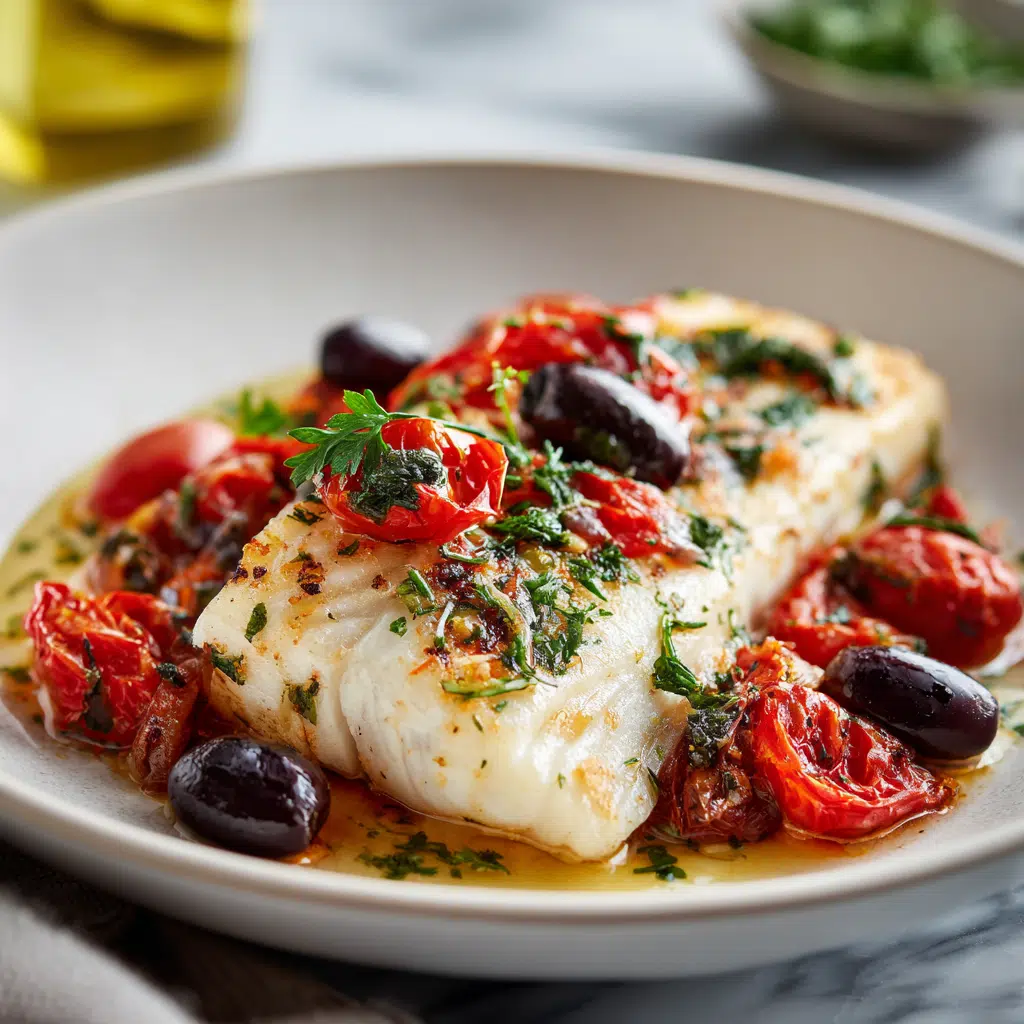
Mediterranean Baked Fish is a vibrant, nutrient-dense seafood dish featuring white fish fillets nestled atop a bed of sautéed garden vegetables, citrus, and aromatic herbs. This Mediterranean Baked Fish preparation utilizes a two-stage baking process to ensure the protein remains succulent while the vegetables reach peak tenderness. The combination of lemon zest, fresh dill, and dried oregano provides a bright flavor profile that aligns perfectly with heart-healthy dietary patterns. You will find that this method works exceptionally well with lean white fish like cod or snapper, providing a high-protein meal that is naturally low in saturated fats and refined carbohydrates.
| Prep Time | Cook Time | Total Time | Servings | Difficulty | Cuisine |
|---|---|---|---|---|---|
| 15 Minutes | 30 Minutes | 45 Minutes | 4 People | Easy | Mediterranean |
Why This Recipe Works
This Mediterranean Baked Fish recipe succeeds because it prioritizes the moisture-retention of the seafood through a specific layering technique and controlled oven environment. By sautéing the base vegetables like onions, peppers, and zucchini before baking, we build a deeper flavor foundation that raw vegetables simply cannot provide in the oven within a short timeframe. The initial covered baking phase creates a steam-locked chamber where the fish absorbs the garlic and herb aromatics without drying out. During the final uncovered phase, the excess moisture evaporates, slightly caramelizing the cherry tomatoes and intensifying the natural juices of the snapper or cod.
My experience with seafood has taught me that the balance of acidity and fat is what defines a professional-level dish. The olive oil provides a rich mouthfeel that carries the fat-soluble compounds in the dried oregano, while the fresh lemon juice cuts through the richness of the fish. This recipe is incredibly forgiving for home cooks because the vegetable bed acts as a thermal buffer, preventing the bottom of the fish from scorching or sticking to the pan. It effectively results in a complete one-dish meal that satisfies cravings for something light yet profoundly flavorful, making it a staple in my weekly rotation for busy weeknights.
Ingredients
Quality ingredients are the cornerstone of this dish, requiring fresh produce and high-quality extra virgin olive oil for the best results.
| Ingredient | Quantity | Notes and Alternatives |
|---|---|---|
| Fish Fillets (Snapper or Cod) | 4 Large Fillets | Substitute with sea bass, tilapia, or halibut if needed. |
| Olive Oil | 2 Tablespoons | Use extra virgin olive oil for superior flavor. |
| Lemon | 1 Whole | Zest the skin before juicing for maximum aroma. |
| Garlic | 3 Cloves | Minced finely; avoid bottled garlic for better taste. |
| Yellow Onion | 1 Large | Sliced into thin half-moons; red onion works for color. |
| Bell Pepper | 1 Medium | Red or yellow pepper provides the best sweetness. |
| Zucchini | 1 Medium | Sliced into rounds or half-moons. |
| Cherry Tomatoes | 1 Cup | Halved to release juices during the baking process. |
| Fresh Parsley | 1/4 Cup | Flat-leaf Italian parsley is preferred for its texture. |
| Fresh Dill | 1 Tablespoon | Chopped finely; use half the amount if using dried. |
| Dried Oregano | 1 Teaspoon | Rub between palms to release oils before seasoning. |
| Salt and Black Pepper | To Taste | Use sea salt and freshly cracked pepper if possible. |
Step-by-Step Instructions
Follow these structured phases to ensure your Mediterranean Baked Fish is cooked to perfection with balanced textures.
Phase 1: Preparation and Sautéing
- Preheat your oven to 400°F (200°C) to ensure a steady cooking temperature.
- Grease a large glass or ceramic baking dish lightly with olive oil.
- Dry the fish fillets thoroughly using paper towels to ensure the seasoning adheres.
- Season both sides of the fillets generously with salt, black pepper, and dried oregano.
- Heat two tablespoons of olive oil in a large skillet over medium heat.
- Sauté the sliced onions for five minutes until they become soft and translucent.
- Mix in the sliced bell peppers and zucchini, cooking until they are just tender.
- Incorporate the minced garlic and sauté for exactly one minute to avoid burning.
Phase 2: Assembly and Initial Bake
- Spread the cooked vegetable mixture evenly across the bottom of the prepared dish.
- Arrange the seasoned fish fillets directly on top of the softened vegetables.
- Distribute the halved cherry tomatoes, fresh parsley, and dill over the fish.
- Whisk the lemon juice and zest together, then drizzle it evenly over the dish.
- Cover the baking dish tightly with a layer of aluminum foil to trap steam.
- Bake the covered dish in the preheated oven for 20 minutes.
Phase 3: Finishing and Serving
- Remove the aluminum foil carefully to prevent steam burns to the face.
- Bake uncovered for another 5 to 10 minutes until the fish flakes easily.
- Check the internal temperature of the fish to ensure it has reached 145°F (63°C).
- Cool the dish for three minutes before serving to allow the juices to settle.
- Garnish with additional fresh herbs and lemon wedges for a bright finish.
Chef Tips for Perfect Results
Achieving a restaurant-quality Mediterranean Baked Fish requires attention to specific culinary details that enhance texture and flavor.
- Choose fillets of uniform thickness to ensure all pieces of fish finish cooking at identical times.
- Use a digital meat thermometer to check for a 145°F internal temperature, which prevents overcooking white fish.
- Zest the lemon before juicing because the essential oils in the skin provide more fragrance than the juice alone.
- Pat the fish completely dry before seasoning to prevent the protein from becoming mushy during the steaming phase.
- Allow the sautéed vegetables to cool slightly before adding the fish to prevent premature cooking of the fillet bottoms.
- Substitute fresh oregano for dried only at the very end of cooking to preserve its delicate chemical compounds.
Common Mistakes to Avoid
Avoiding these frequent errors will protect the delicate integrity of the Mediterranean Baked Fish and its accompanying vegetables.
- Overcrowding the baking dish prevents heat from circulating properly, which leads to uneven cooking and soggy vegetables.
- Skipping the sautéing step for the vegetables results in crunchy peppers and onions that do not match the fish’s texture.
- Using frozen fish that has not been fully thawed introduces excess water, which dilutes the sauce and ruins the seasoning.
- Neglecting to cover the dish with foil during the first 20 minutes causes the thin edges of the fish to dry out.
- Adding the garlic too early in the skillet phase causes it to turn bitter and brown, ruining the delicate vegetable base.
Variations and Substitutions
You can adapt this Mediterranean Baked Fish recipe to suit different dietary preferences or ingredient availability without losing the core essence.
| Ingredient | Substitution | Impact on Flavor |
|---|---|---|
| Cod/Snapper | Salmon Fillets | Provides a richer, oilier texture and a distinctively bolder fish flavor. |
| Zucchini | Yellow Squash | Offers a similar texture but adds a slightly sweeter, buttery note. |
| Cherry Tomatoes | Sun-dried Tomatoes | Creates a much more concentrated, tangy, and chewy flavor profile. |
| Dried Oregano | Dried Thyme | Shifts the aroma toward an earthy, slightly minty Mediterranean profile. |
| Olive Oil | Avocado Oil | Maintains the healthy fat profile but with a more neutral taste. |
Serving Suggestions and Pairings
Presenting Mediterranean Baked Fish requires accompaniments that elevate the light and citrusy notes of the main course. For a traditional Mediterranean meal, serve the fish alongside a portion of fluffy couscous or lemon-garlic quinoa to soak up the vegetable juices. A side of crusty sourdough or ciabatta bread is also highly recommended to ensure no flavorful sauce remains on the plate. If you prefer a lower-calorie option, a simple Greek salad with cucumbers, olives, and feta cheese provides a refreshing crunch that contrasts with the tender fish fillets.
This dish is particularly well-suited for a light summer lunch or a sophisticated weekend dinner party due to its colorful presentation. You might also consider pairing it with roasted baby potatoes seasoned with rosemary or a side of steamed asparagus. For beverage pairings, sparkling water with fresh mint or a chilled glass of non-alcoholic white grape juice provides a crisp finish. The versatility of the vegetable bed makes it easy to serve this as a standalone meal for those following a low-carb or keto-friendly Mediterranean lifestyle.
Storage and Reheating
Properly storing your Mediterranean Baked Fish ensures the delicate proteins and vegetables remain safe and palatable for future consumption.
| Method | Duration | Instructions |
|---|---|---|
| Refrigeration | 2-3 Days | Store in an airtight glass container to prevent odor transfer. |
| Freezing | Not Recommended | Freezing cooked fish often results in a mushy texture and loss of flavor. |
| Oven Reheat | 10-15 Minutes | Cover with foil at 325°F (165°C) until the internal temp reaches 145°F. |
| Microwave | 1-2 Minutes | Use medium power and cover with a damp paper towel to maintain moisture. |
Nutritional Information
This Mediterranean Baked Fish is a lean powerhouse of essential nutrients and healthy Omega-3 fatty acids.
| Nutrient | Amount per Serving |
|---|---|
| Calories | 285 kcal |
| Protein | 35g |
| Total Fat | 9g |
| Carbohydrates | 12g |
| Fiber | 3g |
| Sodium | 420mg |
Approximate values based on standard USDA data for snapper and the specified vegetables.
Mastering Mediterranean Baked Fish allows you to bring the healthy, vibrant flavors of the coastal Mediterranean directly to your home kitchen. By following the detailed two-stage baking method, you ensure that every bite of snapper or cod is infused with the aromatic essence of garlic, dill, and lemon. This recipe highlights the importance of using fresh, seasonal vegetables to create a moisture-rich environment for the seafood, resulting in a dish that is both satisfying and light. Whether you are a seasoned home chef or a beginner looking for a reliable healthy meal, this preparation offers a foolproof path to success. The combination of easy cleanup and high-quality nutrition makes it an indispensable tool for anyone pursuing a balanced lifestyle. As you prepare this for your family or friends, remember that the secret lies in the freshness of your herbs and the careful sautéing of your vegetable base. We encourage you to make this recipe your own by experimenting with different white fish varieties or seasonal peppers. The final result will always remain a testament to the simplicity and richness of Mediterranean coastal cooking. Enjoy the bright, herbaceous, and citrusy finish that defines this signature dish.
FAQ
Can I use frozen fillets for Mediterranean Baked Fish?
Yes, you can use frozen fish fillets as long as they are completely thawed and patted dry before the cooking process begins. Thawing in the refrigerator overnight yields the best results to maintain the structural integrity of the fish flesh. Never bake fish from a frozen state as it will release significant water and ruin the texture of the vegetables.
How do I know when the fish is fully cooked?
The fish is fully cooked when the flesh changes from translucent to opaque and flakes easily when pressured with a fork. Specifically, an internal temperature of 145°F (63°C) indicates the fish is safe to eat while remaining moist. Overcooked fish will appear dry, shrink significantly in size, and lose its delicate sweetness.
What are the best white fish varieties for this recipe?
Cod, snapper, sea bass, and halibut are the most effective varieties for this Mediterranean baking method due to their firm yet flaky texture. These specific fish hold up well under the weight of the vegetable topping without disintegrating into the sauce. Avoid very thin fillets like Dover sole, which may overcook before the tomatoes begin to soften.
Can I prepare this Mediterranean Baked Fish in advance?
You can sauté the vegetables and chop the herbs up to 24 hours in advance to save time on the day of serving. However, you must wait until you are ready to bake before seasoning the fish and assembling the final dish in the pan. Pre-salting the fish too early can draw out moisture, leading to a tougher texture once it is baked.
What should I do if my vegetables are too watery?
Sauté the vegetables thoroughly in the skillet to evaporate excess moisture before you place them in the baking dish with the fish. If you notice too much liquid after the covered baking phase, extend the uncovered baking time by five minutes to allow for more evaporation. This ensures the lemon and olive oil form a light sauce rather than a watery soup.
Print
Mediterranean Baked Fish
- Total Time: 45
- Yield: 4 Servings
- Diet: Heart-Healthy, Low-Carb
Description
Succulent white fish fillets baked over sautéed garden vegetables, citrus, and aromatic herbs. The two-stage baking process ensures tender fish and caramelized tomatoes in this heart-healthy Mediterranean favorite.
Ingredients
4 Large Fish Fillets (Snapper or Cod)
2 Tablespoons Olive Oil
1 Large Onion, Sliced
1 Red Bell Pepper, Diced
1 Zucchini, Sliced
1 Cup Cherry Tomatoes
1 Clove Garlic, Minced
1 Lemon, Zested and Juiced
1 Tablespoon Fresh Dill, Chopped
1 Teaspoon Dried Oregano
1/2 Teaspoon Salt
1/4 Teaspoon Black Pepper
Instructions
Preheat oven to 375°F (190°C)
Heat olive oil in a large oven-safe skillet over medium heat
Sauté onion, bell pepper, zucchini, and garlic for 5-7 minutes
Add cherry tomatoes and herbs; cook for 3 more minutes
Arrange fish fillets on top of the vegetable mixture
Cover with aluminum foil and bake for 20 minutes
Remove foil and bake uncovered for 10 minutes
Garnish with additional lemon zest and dill
Notes
For optimal flaky texture, use fresh cod or snapper under 1 inch thickness
If using frozen fish, thaw completely and pat dry before baking
Enhance flavor by using a balsamic glaze drizzle before serving
- Prep Time: 15
- Cook Time: 30
- Category: Healthy Quick Meals | Easy Clean Eating Recipes
- Method: Baking
- Cuisine: Mediterranean