
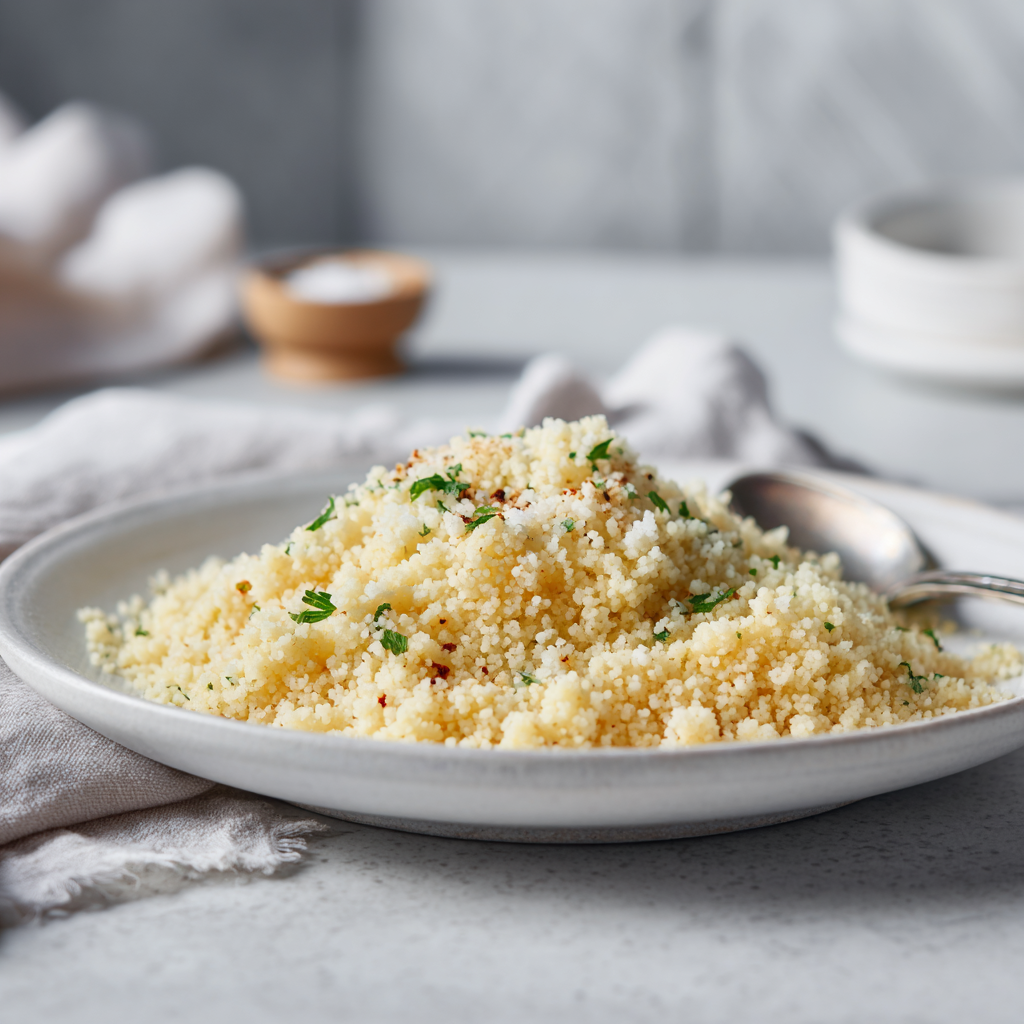
Lemon Parmesan Couscous is a vibrant Mediterranean-inspired side dish that combines nutty semolina pasta with bright citrus notes and sharp Italian cheese. This savory preparation utilizes the rapid absorption method to create a light, fluffy texture that serves as a perfect base for diverse main courses. By incorporating fresh lemon zest and aged Parmesan, the dish achieves a sophisticated balance of acidity and saltiness without requiring extensive cooking time. This recipe provides an efficient solution for busy weeknights while maintaining the high quality expected of gourmet dining. The addition of toasted garlic and red pepper flakes adds a subtle depth of flavor that elevates the simple grains into a standout component of any meal.
Recipe Overview
| Prep Time | Cook Time | Total Time | Servings | Difficulty | Cuisine |
|---|---|---|---|---|---|
| 5 Minutes | 10 Minutes | 15 Minutes | 4 Servings | Easy | Mediterranean |
Why This Recipe Works
I have found that the combination of citrus and aged cheese creates a chemical reaction on the palate that enhances the natural nuttiness of the couscous. In my kitchen, this specific ratio of vegetable broth to grain ensures that every pearl is tender without becoming mushy or clumped together. I appreciate how the residual heat from the cooked grains melts the Parmesan just enough to coat each piece without turning the dish into a heavy pasta bake.
The method of sautéing the garlic separately in olive oil is a professional technique I always use to prevent the bitter flavor of raw garlic from overpowering the delicate lemon. By infusing the oil first, you distribute the aromatics more evenly throughout the entire pot. This approach guarantees that every spoonful delivers a consistent punch of flavor, making it a reliable staple for hosting or meal prepping throughout the week.
Ingredients and Substitutions
| Ingredient | Quantity | Notes and Alternatives |
|---|---|---|
| Dry Couscous | 1 cup | Standard Moroccan couscous; use whole wheat for more fiber. |
| Vegetable Broth | 1 1/4 cups | Provides deep savory notes; use water for a more neutral base. |
| Lemon (Zest & Juice) | 1 large | Always zest before juicing for maximum oil extraction. |
| Parmesan Cheese | 1/2 cup | Freshly grated melts best; use Pecorino Romano for extra salt. |
| Olive Oil | 2 tablespoons | Extra virgin provides the best flavor profile for finishing. |
| Garlic | 1 clove | Minced finely to ensure it integrates into the small grains. |
| Red Pepper Flakes | 1/4 teaspoon | Optional for heat; can be replaced with cracked black pepper. |
Step-by-Step Instructions
Phase 1: Hydrating the Couscous
- Boil the vegetable broth or water in a medium saucepan over high heat until large bubbles appear.
- Remove the saucepan from the heat source immediately to prevent excessive evaporation of the liquid.
- Stir the dry couscous into the hot liquid using a wooden spoon to ensure every grain is submerged.
- Cover the saucepan with a tight-fitting lid to trap the steam for exactly five minutes.
Phase 2: Developing the Garlic Base
- Heat two tablespoons of extra virgin olive oil in a small skillet over medium-low heat.
- Add the minced garlic clove and optional red pepper flakes to the warm oil.
- Sauté the aromatics for approximately sixty seconds until the garlic smells fragrant and turns pale gold.
- Remove the skillet from the heat immediately to prevent the garlic from burning and becoming bitter.
Phase 3: Finishing the Dish
- Uncover the hydrated couscous and use a fork to fluff the grains gently from the bottom up.
- Pour the prepared garlic and infused olive oil mixture directly over the fluffed couscous.
- Fold in the fresh lemon zest, lemon juice, and the half cup of grated Parmesan cheese.
- Season with salt and black pepper to taste, then stir gently until the cheese is evenly distributed.
Chef Tips for Perfect Results
- Always use a fork rather than a spoon to fluff the couscous to prevent the grains from mashing into a paste.
- Wait to add the lemon juice until just before serving to maintain the brightest possible citrus profile.
- Toast the dry couscous in the saucepan for two minutes before adding the boiling broth for a deeper, nuttier aroma.
- Microplane your Parmesan cheese into a fine powder so it dissolves instantly when hitting the warm grains.
- Check the sodium content of your broth before adding extra salt, as Parmesan is naturally very salty.
Common Mistakes to Avoid
Using a spoon to stir the finished dish often results in a gummy texture because it compresses the delicate semolina pearls. You must use a fork to lift and separate the grains while they are still steaming. Another frequent error is boiling the couscous on the stove like traditional pasta, which overcooks the grain and destroys its structure. Couscous requires a gentle steep in hot liquid rather than active boiling to reach the correct consistency.
Adding cold cheese to cold couscous will prevent the Parmesan from integrating, leaving you with clumps of unmelted dairy. Always ensure the grains are hot when the cheese is introduced to create a silky coating. Lastly, many cooks skip the resting period, but those five minutes are essential for the moisture to reach the center of each grain. If you rush this step, you will end up with crunchy centers and a pool of liquid at the bottom of the bowl.
Variations and Substitutions
| Alternative Ingredient | Substitution | Impact on Flavor |
|---|---|---|
| Couscous | Quinoa | Stronger earthy flavor and a gluten-free, protein-rich profile. |
| Parmesan | Nutritional Yeast | Provides a similar salty, cheesy bite for a vegan-friendly version. |
| Vegetable Broth | Chicken Broth | Adds a richer, meatier depth of flavor to the grain base. |
| Olive Oil | Unsalted Butter | Creates a creamier, more indulgent mouthfeel and sweeter finish. |
Serving Suggestions and Pairings
This Lemon Parmesan Couscous serves as an exceptional accompaniment to grilled Mediterranean sea bass or herb-roasted chicken thighs. It is light enough for a summer luncheon but hearty enough to support roasted root vegetables during cooler months. I frequently serve this at outdoor dinner parties because it holds its temperature well and complements a wide range of grilled proteins. For a complete vegetarian meal, pair it with a crisp arugula salad tossed in a balsamic glaze and topped with toasted pine nuts.
Storage and Reheating
| Method | Duration | Instructions |
|---|---|---|
| Refrigeration | 3 to 5 Days | Store in an airtight glass container to keep the grains moist. |
| Freezing | Up to 3 Months | Place in freezer bags; thaw in the fridge before reheating. |
| Microwave | 1 to 2 Minutes | Add a teaspoon of water and cover to steam the grains back to life. |
Nutritional Information
| Nutrient | Amount per Serving |
|---|---|
| Calories | 285 kcal |
| Total Fat | 10g |
| Saturated Fat | 3g |
| Cholesterol | 10mg |
| Sodium | 420mg |
| Total Carbohydrates | 38g |
| Protein | 9g |
Approximate values based on standard commercial ingredients.
Conclusion
Creating a batch of Lemon Parmesan Couscous is one of the most efficient ways to bring a touch of elegance to your daily dining routine. This recipe transforms humble pantry staples into a texturally satisfying and flavor-dense side dish that appeals to both children and adults. By following the hydration method and infusing your olive oil with aromatics, you guarantee a professional-grade result every time. The versatility of this grain allows it to adapt to countless cuisines, though it truly shines when paired with fresh herbs and citrus-forward marinades. I encourage you to master this basic technique and then experiment with your own additions like toasted almonds or dried cranberries to customize the dish to your specific preferences. The speed of preparation coupled with the sophisticated flavor profile makes it a must-have in your culinary repertoire. Whether you are preparing a quick lunch or a multi-course dinner, this dish provides the perfect foundation for a memorable meal. Enjoy the bright, zesty character and the savory finish of the aged Parmesan as it brings a refreshed energy to your plate. Your family and guests will certainly appreciate the light, fluffy texture and the unmistakable zing of fresh Lemon Parmesan Couscous.
Frequently Asked Questions
Can I use pearl couscous instead of standard couscous?
You can use pearl couscous but it requires a different cooking method involving simmering on the stove for about 10 minutes. Standard couscous only needs to steep in hot water, whereas the larger Israeli variety must be boiled to become tender. Adjust your liquid ratios according to the package instructions if choosing the larger pearls.
How do I know when the couscous is perfectly cooked?
Couscous is perfectly cooked when all the liquid has been absorbed and the grains separate easily when scraped with a fork. If the grains are still crunchy, you should add one tablespoon of hot water and cover it for another two minutes. Properly hydrated grains will be soft but retain a slight firmness to the bite.
Why does my couscous always turn out clumpy or mushy?
Clumping occurs when you use too much liquid or fail to fluff the grains immediately after the resting period. Ensure you measure the 1 1/4 cups of broth precisely to avoid waterlogging the semolina. Using a fork to break up the natural clusters ensures the olive oil and cheese coat every individual grain.
Can I make this dish ahead of time for a party?
This dish is an excellent candidate for make-ahead preparation because it can be served warm, at room temperature, or even cold as a salad. If preparing in advance, wait to add the fresh lemon juice until serving to prevent the flavors from dulling. Store it in a sealed container and toss with a little extra olive oil if the grains seem dry.
What is the best way to serve leftover couscous?
Leftovers are best served as a cold grain salad mixed with fresh cucumbers, cherry tomatoes, and feta cheese. You can also reheat it in a pan with a splash of broth to restore its fluffy texture for a second warm meal. The Parmesan flavors actually deepen after a night in the refrigerator, making the leftovers quite flavorful.
Print
Lemon Parmesan Couscous Recipe
- Total Time: 15
- Yield: 4 Servings
- Diet: Vegetarian
Description
A vibrant Mediterranean-inspired side dish with fluffy semolina couscous, zesty lemon, and aged Parmesan. Balanced flavors and quick preparation make it perfect for any meal.
Ingredients
Dry Couscous, 1 cup
Vegetable Broth, 1 1/4 cups
Lemon (Zest & Juice), 1 large
Parmesan Cheese, 1/2 cup
Olive Oil, 2 tablespoons
Garlic, 1 clove
Red Pepper Flakes, to taste
Instructions
Zest the lemon and set aside.
In a small saucepan, warm the vegetable broth over medium heat.
Meanwhile, heat 1 tablespoon of olive oil in a skillet over low heat. Add minced garlic and sauté until fragrant but not browned.
In a large bowl, add the couscous and pour the hot broth over it. Stir to combine.
Let the couscous sit for 5 minutes to absorb the broth.
Stir in the remaining 1 tablespoon of olive oil, the sautéed garlic, lemon zest, a squeeze of lemon juice, the Parmesan cheese, and a pinch of red pepper flakes.
Season with salt and pepper to taste.
Fluff the couscous with a fork and serve warm.
Notes
For a more neutral base, substitute broth with water.
Use whole wheat couscous for a heartier texture and extra fiber.
Store leftovers in an airtight container in the refrigerator for up to 2 days.
Add chopped fresh parsley for a final burst of freshness.
- Prep Time: 5
- Cook Time: 10
- Category: Healthy Quick Meals | Easy Clean Eating Recipes
- Method: Steaming
- Cuisine: Mediterranean