
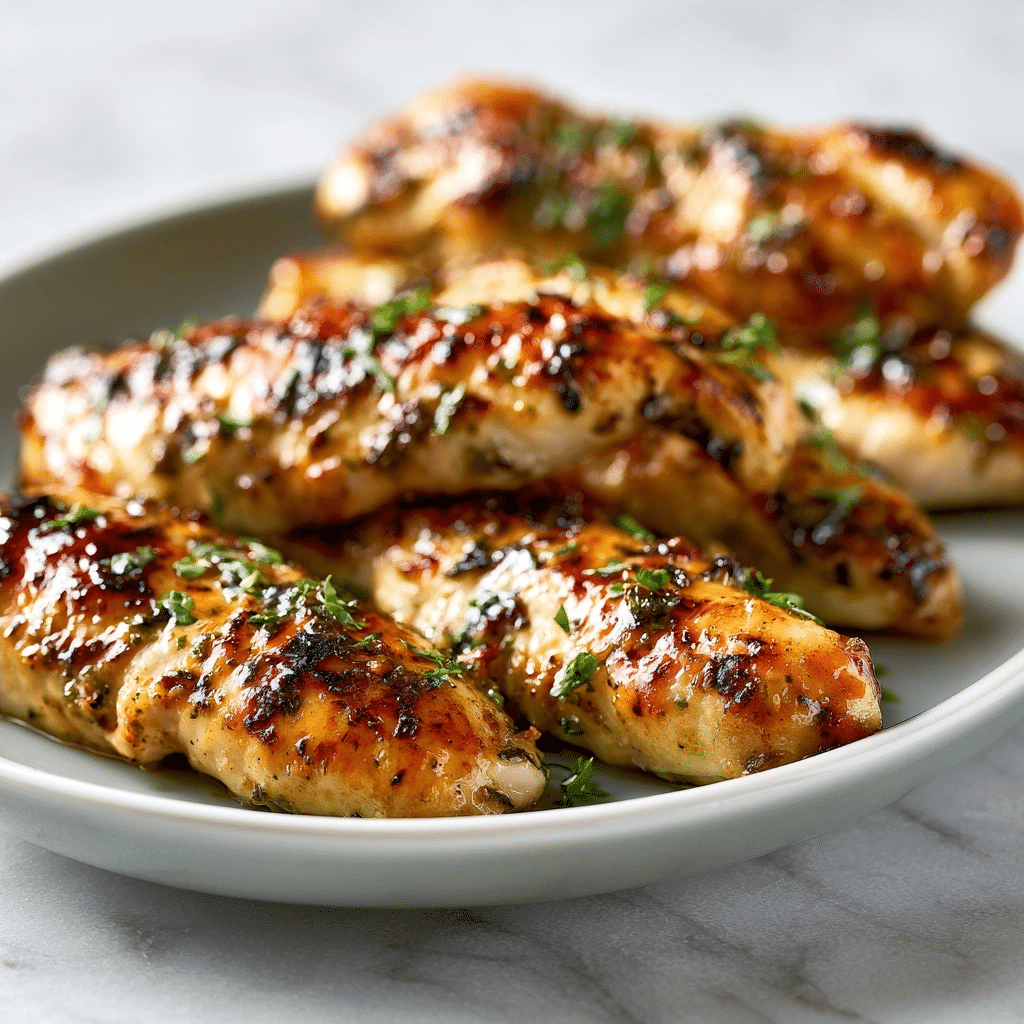
Juicy Greek chicken tenders are a vibrant Mediterranean-inspired dish featuring tender strips of poultry marinated in a zesty, herb-infused yogurt base. This recipe serves health-conscious families looking for a lean protein option and busy professionals who need a reliable meal prep solution that doesn’t sacrifice flavor. By utilizing the acidic properties of citrus and the enzymatic power of yogurt, these tenders achieve a succulent interior and a beautifully browned exterior. You can expect a profile dominated by bright lemon, pungent garlic, and earthy oregano, providing a refreshing aromatic experience that elevates the standard chicken dinner. This dish delivers a restaurant-quality meal in under thirty minutes of active cooking time, ensuring a stress-free kitchen experience with a highly nutritious payoff.
What Is Juicy Greek Chicken Tenders?
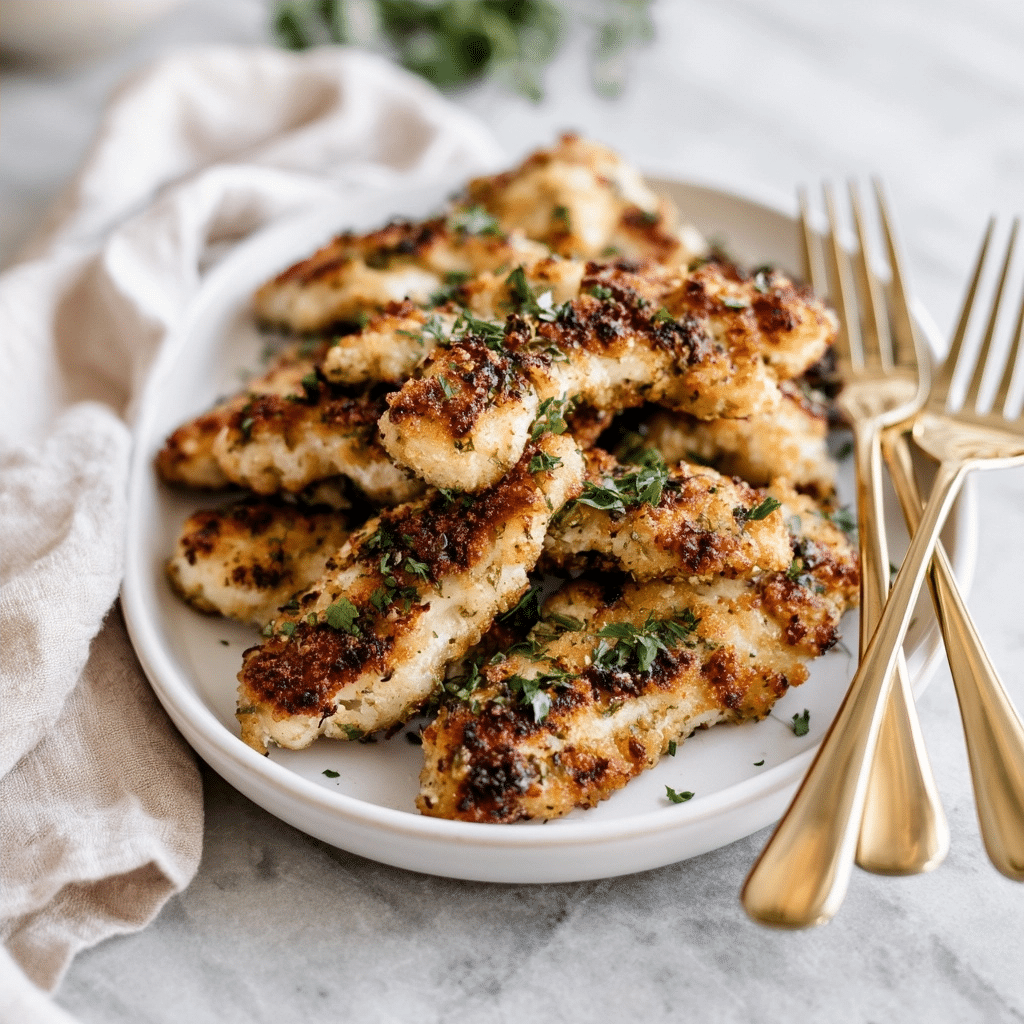
Juicy Greek chicken tenders consist of chicken tenderloins or sliced breast meat treated with a traditional Mediterranean marinade techniques. Unlike breaded versions, these tenders focus on a marinade of Greek yogurt, lemon, and olive oil, which reflects the agricultural staples of the Hellenic region. While classic souvlaki often uses cubes of meat on skewers, these tenders remain whole for faster preparation and moisture retention. The Greek culinary philosophy emphasizes fresh herbs and acidity to tenderize meat naturally. This specific variation distinguishes itself by using yogurt rather than a simple vinaigrette, creating a protective barrier that prevents the lean white meat from drying out during high-heat cooking.
Recipe Overview Table
| Prep Time | 15 minutes |
| Cook Time | 15 minutes |
| Total Time | 30 minutes (plus marinating) |
| Servings | 4 |
| Difficulty Level | Easy |
| Cuisine | Greek / Mediterranean |
| Calories per Serving | 285 kcal |
Why You’ll Love This Recipe
- Effortless Preparation: The marinade comes together in a single bowl with basic pantry staples, requiring minimal cleanup.
- Crowd-Pleasing Flavor: The balanced profile of citrus and savory herbs appeals to kids and adults alike, making it a household staple.
- Time-Saving Meal Prep: These tenders stay remarkably moist when reheated, making them ideal for work lunches or salads later in the week.
- Foolproof Versatility: Whether you choose to grill, pan-sear, or bake, the yogurt coating ensures success regardless of your equipment.
- High Nutritional Value: This dish provides a significant protein boost without the heavy fats or refined flours found in fried alternatives.
This recipe is a cornerstone for anyone seeking a beginner-friendly path to Mediterranean cooking. The combination of Greek yogurt and lemon juice acts as a biological tenderizer, breaking down tough proteins before they ever hit the heat. This makes it a time-saving solution for weeknight dinners where quality often takes a backseat to speed. You will find that the resulting poultry is consistently tender, flavorful, and visually appealing with minimal intervention.
Why This Recipe Works
During my years of exploring Mediterranean cuisine, I discovered that the most successful poultry dishes rely on chemical tenderization rather than just heat management. My initial attempts at lean chicken tenders often resulted in dry, stringy meat until I moved toward the high-calcium environment of a yogurt marinade. This recipe works because it addresses the inherent lack of fat in chicken breast meat by introducing a rich, acidic medium that penetrates the fibers effectively.
The technique hinges on the science of lactic acid and enzymes found in Greek yogurt. Unlike harsh vinegar-based marinades that can turn meat mushy if left too long, yogurt works slowly and gently. It creates a thick coating that allows the seasonings to stick to the meat, ensuring that every bite is infused with garlic and oregano. Furthermore, the sugars and proteins in the yogurt undergo the Maillard reaction more efficiently, producing a beautiful golden crust and complex savory notes through caramelization even at moderate temperatures.
The final sensory payoff is a contrast between the slightly charred, herb-flecked surface and the drippingly juicy interior. The lemon zest provides essential oils that cut through the richness of the olive oil, while the cumin adds a faint hum of warmth that rounds out the aromatics. This multi-layered seasoning approach creates a professional flavor profile that masks the simplicity of the preparation, resulting in a dish that looks as good as it tastes.
Pro Tips Before You Start
- Pat Chicken Dry: Before adding to the marinade, wipe the chicken with paper towels to ensure the yogurt mixture adheres properly rather than sliding off.
- Mise en Place: Mince the garlic and zest the lemons before opening the chicken package to prevent cross-contamination and keep the process efficient.
- Fresh Citrus Only: Use fresh lemon juice instead of bottled versions, as the enzymes in fresh fruit are more effective at tenderizing most proteins.
- Even Sizing: If using chicken breasts, slice them into uniform 1-inch strips so they all cook at the same rate, preventing smaller pieces from overcooking.
Ingredients
Here’s everything you’ll need to make juicy Greek chicken tenders for your next gathering or meal prep session.
| Ingredient | Quantity | Notes/Alternatives |
|---|---|---|
| Plain Greek Yogurt | 1 cup (245g) | Full fat or 2% for best texture; can use soy yogurt for dairy-free. |
| Olive Oil | 2 tbsp (28g) | Extra virgin for flavor depth; can substitute with avocado oil. |
| Fresh Lemon Juice | 2 tbsp (30ml) | Approximately half a large lemon. |
| Lemon Zest | 1 tbsp (6g) | Avoid the white pith to prevent bitterness. |
| Fresh Garlic | 3 cloves | Minced finely or pressed. |
| Dried Oregano | 2 tsp (2g) | Greek oregano is preferred for potency. |
| Fine Salt | 1 tsp (6g) | Sea salt or kosher salt works best. |
| Black Pepper | 1 tsp (2g) | Freshly ground for maximum aroma. |
| Ground Cumin | 1 tsp (2g) | Optional, adds earthy depth. |
| Chicken Tenders | 1 lb (454g) | Can substitute with sliced breast or boneless thighs. |
| Fresh Parsley* | To taste | *Optional garnish for fresh finish. |
Best Ingredients for Juicy Greek Chicken Tenders
The quality of your Greek yogurt is the most significant factor in this recipe; choosing a thick, strained variety like authentic Greek yogurt ensures the marinade clings to the meat properly. Higher fat content (5% or whole milk) provides a creamier mouthfeel and better protection against the heat of the pan or grill. Furthermore, the oil selection matters greatly. Extra-virgin olive oil contributes fruity, peppery notes that define Mediterranean cooking, whereas cheaper vegetable oils offer only fat without flavor enhancement.
Fresh garlic is non-negotiable for achieving the signature pungent kick. Pre-minced garlic in jars often lacks the essential oils and sharpness required to stand up to the acidity of the lemon. If you are budget-conscious, you can use dried oregano exclusively rather than fresh, as the dried version is more concentrated and stands up better to the cooking process, providing that classic “pizzeria” aroma that everyone loves.
Step-by-Step Instructions
Phase 1: Prepare the Greek Marinade
- Whisk one cup of Greek yogurt and two tablespoons of olive oil in a large ceramic bowl until fully emulsified and creamy.
- Add two tablespoons of fresh lemon juice and one tablespoon of zest into the mixture, stirring until the texture is uniform and pale yellow.
- Incorporate three cloves of minced garlic, two teaspoons of oregano, salt, pepper, and cumin with a whisk until no lumps remain.
- Taste the marinade before adding the raw meat to ensure the salt and acid levels meet your personal preference.
Phase 2: Marinate the Protein
- Submerge the one pound of chicken tenders into the yogurt mixture, ensuring every surface is thickly coated.
- Cover the bowl tightly with plastic wrap or transfer contents to a gallon-sized resealable bag to minimize air exposure.
- Refrigerate the chicken for at least 1 hour or up to 8 hours to allow the yogurt enzymes to soften the fibers. (Do not exceed 12 hours or the texture may become overly soft.)
Phase 3: Final Cooking and Finishing
- Heat two tablespoons of olive oil in a 12-inch cast-iron skillet over medium-high heat until the oil begins to shimmer.
- Place chicken tenders in the hot skillet, leaving at least one inch of space between each piece to prevent steaming.
- Sear for 3-4 minutes per side until the edges are golden brown and an instant-read thermometer registers 165°F (74°C).
- Remove chicken from the heat source and transfer to a warm platter.
- Rest the tenders for 5 minutes (resting allows the juices to redistribute throughout the meat fibers).
- Garnish with fresh chopped parsley or dill and a final squeeze of lemon juice for a bright finish.
Chef Tips for Perfect Results
- Mind the Temperature: Always use an instant-read thermometer to pull the chicken at 165°F (74°C) to prevent overcooking and dryness.
- Don’t Crowd the Pan: Cook in batches if necessary; crowding lowers the pan temperature and prevents the golden caramelization you want.
- Squeeze Fresh: Add a final spritz of fresh lemon juice just before serving to reactivate the bright citrus notes dulled by the heat.
- Skillet Selection: Use a cast iron or heavy-bottomed stainless steel pan for the best crust development and even heat distribution.
- Wipe Excess: If baking, shake off excessive clumps of yogurt so the tenders roast rather than boil in the sauce.
Common Mistakes to Avoid
- Marinating Too Long | Results in mushy, unpleasant grain | The high acidity eventually breaks down the meat fibers too far | Limit marinating time to under 8-10 hours.
- Skipping the Rest Period | Results in dry meat and a plate full of liquid | Muscle fibers need time to relax and reabsorb moisture after being constricted by heat | Wait 5 minutes before slicing.
- Using Cold Chicken | Results in uneven cooking | Cold meat causes the pan temperature to drop instantly | Let marinated chicken sit at room temperature for 15 minutes before cooking.
- Low Cooking Temperature | Results in grey, soggy chicken | Without high heat, the yogurt won’t brown through the Maillard reaction | Ensure oil is shimmering before adding meat.
How to Make This Recipe Healthier
While this recipe is already lean, you can optimize the macronutrient profile further. Swapping full-fat yogurt for non-fat Greek yogurt reduces the overall fat content by approximately 8 grams per serving while keeping the protein high. This swap will result in a slightly thinner marinade, but the tenderizing effect remains the same.
Additionally, you can reduce the sodium content by substituting half the salt with additional lemon zest or smoked paprika, which provides a flavor punch without the cardiovascular impact of salt. To increase fiber, serve these juicy Greek chicken tenders over a bed of cauliflower rice or a massaged kale salad instead of traditional white rice or pita bread.
Variations and Substitutions
Customizing this dish is remarkably simple based on your dietary needs or flavor preferences. You can easily pivot to a dairy-free version or change the protein source entirely while keeping the same Mediterranean backbone.
| Ingredient | Substitution | Impact on Flavor | Impact on Texture |
|---|---|---|---|
| Greek Yogurt | Coconut Yogurt | Subtle tropical sweetness | Less thick, slightly more oily |
| Chicken Tenders | Firm Tofu | Milder, absorbs more herb notes | Softer, requires longer searing |
| Dried Oregano | Fresh Rosemary | Piney, more aromatic | Small needles add slight crunch |
Can You Make This Ahead?
Yes, you can prepare the marinade up to 48 hours in advance and store it in an airtight container in the refrigerator. However, do not add the chicken to the marinade more than 12 hours before you plan to cook it, as the acids will eventually compromise the meat’s texture. For the best experience, marinate the chicken in the morning and cook it fresh for dinner. If you have leftovers, they store exceptionally well and can be eaten cold on salads the next day.
Serving Suggestions and Pairings
Serve these tenders alongside a traditional Greek salad of cucumbers, tomatoes, and kalamata olives for a light, refreshing meal. For a more filling dinner, pair them with lemon-herb roasted potatoes or a fluffy bed of quinoa pilaf. If you are serving these at a party, provide a side of homemade tzatziki sauce for dipping and warm, toasted pita bread. For beverages, a chilled sparkling water with cucumber or a light, non-alcoholic ginger beer complements the acidity of the lemon perfectly. Presentation is key; arrange the golden-brown tenders on a large platter, topped with a generous handful of fresh dill and extra lemon wedges.
Best Occasions to Serve This Recipe
This dish is perfect for Tuesday-night dinners when you need high-quality protein on the table in under thirty minutes. It is also an excellent choice for Sunday meal prep, as the chicken maintains its moisture through several days of refrigeration. Because the flavor is sophisticated yet approachable, it works remarkably well for casual outdoor gatherings or as a healthy addition to a holiday buffet. This recipe is particularly well-suited for families with children who prefer finger foods but deserve a healthier alternative to frozen processed options.
Storage and Reheating
Proper storage ensures the chicken remains safe and palatable for several days following preparation. Always cool the meat to room temperature before sealing in containers to prevent excess moisture buildup.
| Method | Duration | Instructions |
|---|---|---|
| Refrigerator | 3-4 Days | Place in airtight container with a slice of lemon. |
| Freezer | 2 Months | Wrap individually in foil and store in freezer bag. |
| Oven Reheat | 10 Minutes | 350°F (175°C) covered with foil to retain moisture. |
| Air Fryer | 3-4 Minutes | 375°F (190°C) for a crispier exterior. |
Nutritional Information
Approximate nutritional values per serving (based on 4 servings of 4 oz chicken each):
| Nutrient | Amount per Serving |
| Calories | 285 kcal |
| Protein | 32g |
| Fat | 14g |
| Carbohydrates | 6g |
| Fiber | 1g |
| Sugar | 3g |
| Sodium | 640mg |
*Approximate values based on standard ingredients. Actual nutrition varies by brand and substitutions.
Conclusion
Juicy Greek chicken tenders represent the perfect intersection of health, convenience, and Mediterranean flavor. By mastering the simple technique of yogurt marinating, you move beyond the realm of dry, boring chicken and into a world of succulent, herb-rich poultry that fits almost any dietary lifestyle. The minimal active work required makes this recipe a sustainable choice for busy households, while the high-protein content supports fitness and wellness goals without the monotony of plain meal prep.
This recipe consistently delivers impressive results with its golden-brown crust and zesty aromatic profile. It transforms a humble bag of chicken tenders into a sophisticated meal that can be dressed up for guests or kept simple for a quick post-gym snack. The versatility of the cooking methods—whether you prefer the char of a grill or the ease of a cast-iron skillet—ensures that you can enjoy this dish regardless of the season or your kitchen setup.
You’ll discover that once you incorporate these Greek-inspired flavors into your weekly rotation, they will quickly become a requested favorite. This dish provides the emotional satisfaction of a comfort food meal with the lightness of modern nutritional standards. Try this recipe for your next dinner and experience how a few simple Mediterranean ingredients can transform your cooking. This delivers the juicy, savory outcome you’ve been looking for.
FAQ
Can I substitute chicken breast for tenders?
Yes, you can use whole chicken breasts sliced into 1-inch thick strips to mimic the shape of tenders. Ensure the strips are of uniform thickness so they cook evenly and match the timing provided in the instructions. This is often a more cost-effective way to prepare the dish for larger crowds.
How do I know when the chicken is done cooking?
The most accurate method is to use a digital meat thermometer inserted into the thickest part of the tender. It should reach 165°F (74°C) to ensure safety while remaining juicy. Visually, the juices should run clear and the meat should no longer be pink in the center.
What should I do if the chicken is sticking to the pan?
Avoid trying to flip the chicken too early, as it will naturally release from the pan once a proper crust has formed. If it is still sticking after 4 minutes, ensure your heat is high enough and that you used enough olive oil to coat the surface. A well-seasoned cast-iron skillet or a quality non-stick pan will reduce this issue significantly.
Can I make juicy Greek chicken tenders the day before?
You can certainly prepare the marinade and cook the chicken a day in advance for cold consumption or reheating. If you wish to cook them fresh, only marinate the chicken for up to 8-10 hours to avoid the texture becoming mushy. Cooked leftovers are excellent for up to four days when stored correctly.
How do I reheat the chicken without drying it out?
Reheat cold chicken tenders in an oven or air fryer at 350°F (175°C) with a splash of water or a drop of olive oil on top. Covering the dish with foil during oven reheating helps trap steam, which keeps the meat moist. Avoid the microwave if possible, as it can make the yogurt-based coating rubbery.
Is this recipe suitable for a Keto diet?
Yes, this recipe is naturally low in carbohydrates and high in protein, making it ideal for keto and paleo lifestyles. To keep the carb count as low as possible, use a high-fat Greek yogurt and omit the cumin if you are extremely strict on spice-based carbs. Serve with leafy greens or a cucumber salad to keep the meal within your macros.
Print
Quick Juicy Greek Chicken Tenders: Perfect High-Protein Meal
- Total Time: 30
- Yield: 4 servings
- Diet: High-Protein
Description
Succulent Greek chicken tenders marinated in a zesty yogurt-lemon-oregano blend, offering a restaurant-quality Mediterranean dish in under 30 minutes. Lean, flavorful, and ideal for meal prep.
Ingredients
1 1/2 lbs chicken tenderloins
1 cup plain Greek yogurt
Juice of 2 lemons
3 cloves garlic, minced
1 tbsp olive oil
1 tsp dried oregano
1/2 tsp salt
1/4 tsp black pepper
Cooking oil for searing
Instructions
Combine yogurt, lemon juice, garlic, oregano, oil, salt, and pepper in a bowl
Submerge chicken in marinade, cover, and refrigerate minimum 15 minutes
Heat oil in a skillet over medium-high heat
Cook tenders 5-7 minutes per side until golden and internal temperature reaches 165°F
Alternatively, bake 15-20 minutes at 400°F or grill 10 minutes total
Notes
Marinate up to 24 hours for deeper flavor
Pan-searing yields crispiest exterior
Substitute with olive oil spray for baking
Reheat leftovers in oven to maintain moisture
Omit garlic if needed for mild flavor
- Prep Time: 15
- Cook Time: 15
- Category: Meals
- Method: Baking/Searing
- Cuisine: Greek/Mediterranean