
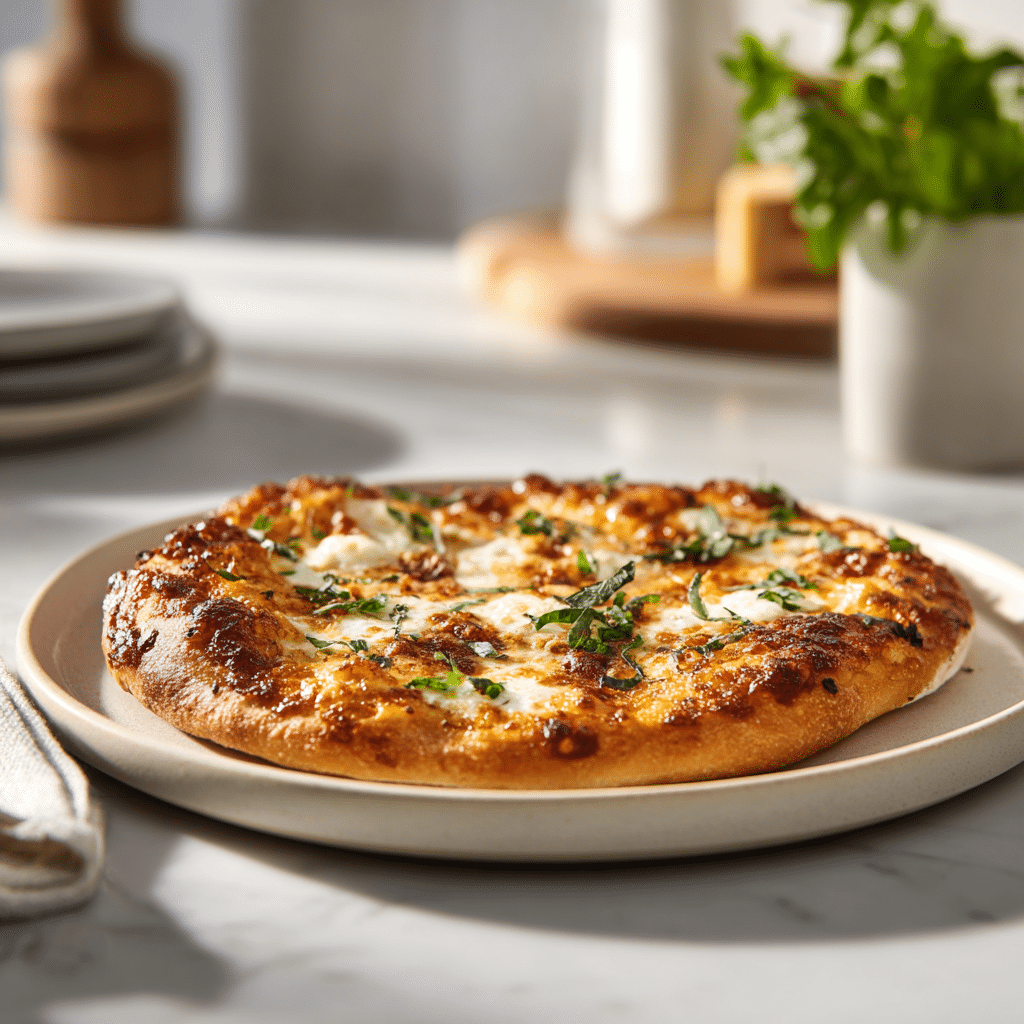
Homemade pizza dough is a versatile yeast-based foundation that provides the essential structural base for creating authentic, artisan-style pizzas in a domestic kitchen setting. This specific homemade pizza dough formulation utilizes premium bread flour and a controlled fermentation process to ensure a perfect balance between a crisp exterior and a soft, airy crumb. By mastering this fundamental skill, you eliminate the need for store-bought alternatives that often contain preservatives or inferior fats. This recipe focuses on achieving a professional-grade elasticity that allows for easy stretching without tearing, resulting in a consistent bake every time. Integrating high-quality olive oil and fine salt ensures the crust carries its own flavor profile rather than acting as a bland vessel for toppings. Follow these precise technical steps to elevate your next pizza night with a result that rivals high-end pizzerias.
| Prep Time | Cook Time | Total Time | Servings | Difficulty | Cuisine |
|---|---|---|---|---|---|
| 45 Minutes | 10 Minutes | 55 Minutes | 3 Large Pizzas | Intermediate | Italian |
Why This Recipe Works
This recipe works because it prioritizes the hydration levels and protein content necessary for a robust gluten structure. I have spent years testing various flour-to-water ratios, and the inclusion of bread flour here is the primary driver for that signature chewiness. Unlike all-purpose flour, bread flour contains a higher protein percentage which traps carbon dioxide more effectively during the short 30-minute rise period. This creates those beautiful, airy bubbles in the crust that many home bakers struggle to achieve with quick-rise recipes.
The addition of a small amount of granulated sugar is not just for flavor; it serves as immediate fuel for the yeast to accelerate fermentation. This ensures that even with a relatively fast rising time, the dough develops significant lift and a golden-brown finish under high heat. My experience shows that preheating the oven to 500°F mimics the environment of a professional stone oven, allowing the dough to undergo rapid thermal expansion. This specific combination of high-protein flour, active yeast, and intense heat results in a professional-quality crust every single time.
Ingredients
| Ingredient | Quantity | Notes/Alternatives |
|---|---|---|
| Warm Water | 1 1/2 cups | Must be exactly 110°F to activate yeast safely. |
| Granulated Sugar | 2 teaspoons | Feeds the yeast; can substitute with honey. |
| Active Dry Yeast | 2 1/4 teaspoons | One standard package; can use instant yeast. |
| Bread Flour | 3 1/2 to 4 cups | 455g to 520g; use more if dough is too sticky. |
| Olive Oil | 2 Tablespoons | Extra virgin provides the best flavor and crust texture. |
| Salt | 2 teaspoons | Fine sea salt or table salt for even distribution. |
Step-by-Step Instructions
Phase 1: Preparation and Proofing
- Place a pizza stone in the oven on the center rack if you have one available.
- Preheat your oven to 500°F (or 475°F) for at least 30 minutes before baking to ensure maximum heat retention.
- Combine the warm water, granulated sugar, and yeast in a large mixing bowl.
- Proof the active dry yeast for 5 minutes until a thick foam appears on the surface.
Phase 2: Mixing and Kneading
- Add the bread flour, olive oil, and salt to the yeast mixture.
- Stir the ingredients well with a wooden spoon until a shaggy mass forms.
- Knead the dough for 5 minutes using a stand mixer fitted with a dough hook.
- Continue kneading by hand for 6-7 minutes if you do not have a mixer until smooth.
- Check that the dough is tacky and slightly sticky but does not stick to your fingers.
Phase 3: Rising and Shaping
- Drizzle a clean bowl with olive oil to prevent the dough from sticking.
- Place the dough ball inside and turn it once to coat the entire surface in oil.
- Cover the bowl with plastic wrap and let it rise in a warm spot for 30-90 minutes.
- Divide the risen dough into 2 or 3 equal portions depending on your desired pizza size.
- Stretch or roll the dough into a 1/4-inch thick circle on a floured surface.
Phase 4: Topping and Baking
- Apply 1/4 to 1/2 cup of pizza sauce and your favorite meat-free toppings.
- Bake the pizza for 5-10 minutes until the cheese is bubbling and edges are golden.
- Cool the pizza for 2-3 minutes on a wire rack before slicing.
Chef Tips for Perfect Results
- Use a digital thermometer to verify your water temperature stays between 105°F and 115°F to prevent killing the yeast.
- Measure your flour by weight using a kitchen scale to ensure the 455g to 520g range is strictly followed for consistency.
- Apply a thin layer of cornmeal to your pizza peel or baking sheet to prevent the dough from sticking during the transfer.
- Allow the dough to reach room temperature if you have refrigerated it, as cold dough will snap back and resist stretching.
- Avoid over-topping the pizza with watery vegetables like raw mushrooms, which can release steam and result in a soggy crust.
Common Mistakes to Avoid
Using cold water is a frequent error because yeast requires warmth to activate its biological fermentation process. If your water is under 100°F, the yeast will remain dormant, resulting in a dense, leaden crust that fails to rise. Always use a thermometer to check your tap water temperature before adding the dry yeast.
Over-kneading by hand can result in an overly tough and chewy texture that is difficult to bite through. Once the dough feels elastic and bounces back when poked, you must stop the kneading process immediately to preserve the gluten structure. Monitor the texture closely during the final two minutes of mixing to ensure the dough remains supple.
Applying too much sauce is a mistake that leads to the “soggy middle” syndrome where the crust fails to bake through. The moisture in the sauce penetrates the dough before the heat can crisp the surface, creating a gummy interface. Use only a thin, even layer of sauce to allow the high oven heat to reach the dough surface.
Skipping the preheating phase for your oven or pizza stone will result in a pale, soft crust without any structural integrity. High-quality homemade pizza dough requires an immediate blast of 500°F heat to achieve “oven spring,” which is the rapid rise of the dough. Set your oven timer for at least 45 minutes prior to baking your first pie.
Variations and Substitutions
| Ingredient | Substitution | Impact on Flavor |
|---|---|---|
| Bread Flour | All-Purpose Flour | Produces a softer, less chewy crust with fewer air pockets. |
| Granulated Sugar | Honey | Adds a subtle floral sweetness and helps with browning. |
| Olive Oil | Garlic Infused Oil | Gives the crust a pungent, savory aroma without extra garlic. |
| Warm Water | Whey | Adds a slight tang and results in a darker, richer crust color. |
Serving Suggestions and Pairings
This homemade pizza dough creates a versatile base that pairs perfectly with a classic Margherita topping consisting of fresh mozzarella and basil. For a more robust meal, serve your pizza alongside a crisp Caesar salad featuring vegetarian dressing and toasted croutons. This recipe is an ideal choice for family gathering nights or casual weekend dinners where guests can customize their own personal-sized pizzas. Pair the finished product with a cold sparkling grape juice or a herbal iced tea to complement the savory notes of the yeasty crust.
Storage and Reheating
| Method | Duration | Instructions |
|---|---|---|
| Refrigeration | 3 Days | Store in an airtight container coated lightly with olive oil. |
| Freezing | 3 Months | Wrap dough balls tightly in plastic wrap and place in freezer bags. |
| Reheating | 5-8 Minutes | Place slices in a 375°F oven directly on the rack for crispness. |
Nutritional Information
| Nutrient | Amount per Serving |
|---|---|
| Calories | 210 kcal |
| Protein | 6g |
| Fat | 4g |
| Carbohydrates | 38g |
| Sodium | 390mg |
Approximate values based on one-eighth of a large pizza crust.
Conclusion
Creating your own homemade pizza dough is a transformative culinary skill that significantly improves the quality of your home-cooked meals. By following this structured approach, you ensure that every pizza you bake features a crust with the perfect balance of crunch and chew. The chemical interaction between the yeast, sugar, and high-protein flour is what creates that professional finish you usually only find in specialized restaurants. Remember that the temperature of your water and the heat of your oven are the two most critical factors in achieving success with this recipe. Do not settle for the bland, uniform texture of commercial dough when you have the tools to create an artisan product in your own kitchen. This dough provides a blank canvas for your favorite fresh ingredients, allowing you to control the quality and nutrition of your food. As you become more comfortable with the dough’s elasticity and rise times, you can experiment with longer fermentations to develop even deeper flavors. Share this process with friends or family to turn a simple meal into an engaging interactive experience. Your efforts will be rewarded with a fragrant, golden-brown crust that delivers an incredible signature flavor.
FAQ
Can I use all-purpose flour for homemade pizza dough?
You can use all-purpose flour for this recipe, although the resulting crust will be significantly softer and less chewy than if you used bread flour. The lower protein content in all-purpose flour develops less gluten, which means the dough will be easier to stretch but will lack the structural integrity of professional crusts. Adjust your liquid slightly as all-purpose flour absorbs water differently than high-protein varieties.
How do I know when the pizza dough is done baking?
The pizza dough is finished baking when the edges are deep golden brown and the underside shows dark charred spots known as leopard spotting. You should observe that the cheese is fully melted and starting to brown in certain areas across the surface. Use a spatula to lift the edge and confirm the bottom is rigid and not sagging.
Why is my pizza dough snapping back when I stretch it?
Dough snaps back primarily because the gluten is too tight or the dough is still too cold from the refrigerator. You must allow the dough to rest at room temperature for at least 30 minutes to relax the proteins before attempting to shape it. If it continues to resist, cover it with a cloth and let it rest for another 10 minutes.
Can I make this pizza dough in advance?
You can easily prepare this dough up to three days in advance by placing the kneaded balls into a sealed container in the refrigerator. This slow cold fermentation actually improves the flavor of the crust by allowing the yeast to produce more complex byproducts. Simply bring the dough to room temperature for one hour before you plan to bake your pizzas.
What should I serve with homemade pizza?
Serve homemade pizza with fresh vegetable sides like a Mediterranean salad or roasted zucchini spears to balance the richness of the cheese. Garlic knots made from the same dough leftovers are also a popular accompaniment for a complete Italian-themed meal. Always offer red pepper flakes or dried oregano on the side for guests to customize their slices.
Print
Homemade Pizza Dough – The Ultimate Recipe for Crispy Crust
- Total Time: 55
- Yield: 3 large pizzas
- Diet: Vegetarian
Description
Create a professional-grade, yeast-based pizza dough with a crisp exterior and soft crumb. This Italian-inspired recipe uses 100% bread flour, controlled hydration, and olive oil to achieve a balanced chewiness and golden finish without preservatives or alcohol.
Ingredients
1 1/2 cups warm water
2 teaspoons granulated sugar
2 1/4 teaspoons active dry yeast
3 1/2 cups bread flour
1 teaspoon fine salt
2 tablespoons high-quality olive oil
Instructions
Activate yeast by dissolving in warm water with sugar
Combine flour and salt in a large bowl
Mix wet ingredients into dry until a shaggy dough forms
Knead dough for 8-10 minutes until smooth and elastic
Rest dough in a warm place for 30 minutes
Divide into three equal portions
Shape into balls, let sit for 15 minutes
Stretch or roll out each ball
Bake on preheated baking sheet at 500°F for 10 minutes
Notes
Use 110°F water to activate yeast
For non-oven baking: cook dough in a skillet first
Let dough mature at room temperature for 24 hours (cold fermentation) for even crunch
Storage: Freeze formed dough balls for up to 3 months
- Prep Time: 45
- Cook Time: 10
- Category: Easy Tacos & Pizza Recipes for Every Craving
- Method: Baking
- Cuisine: Italian