
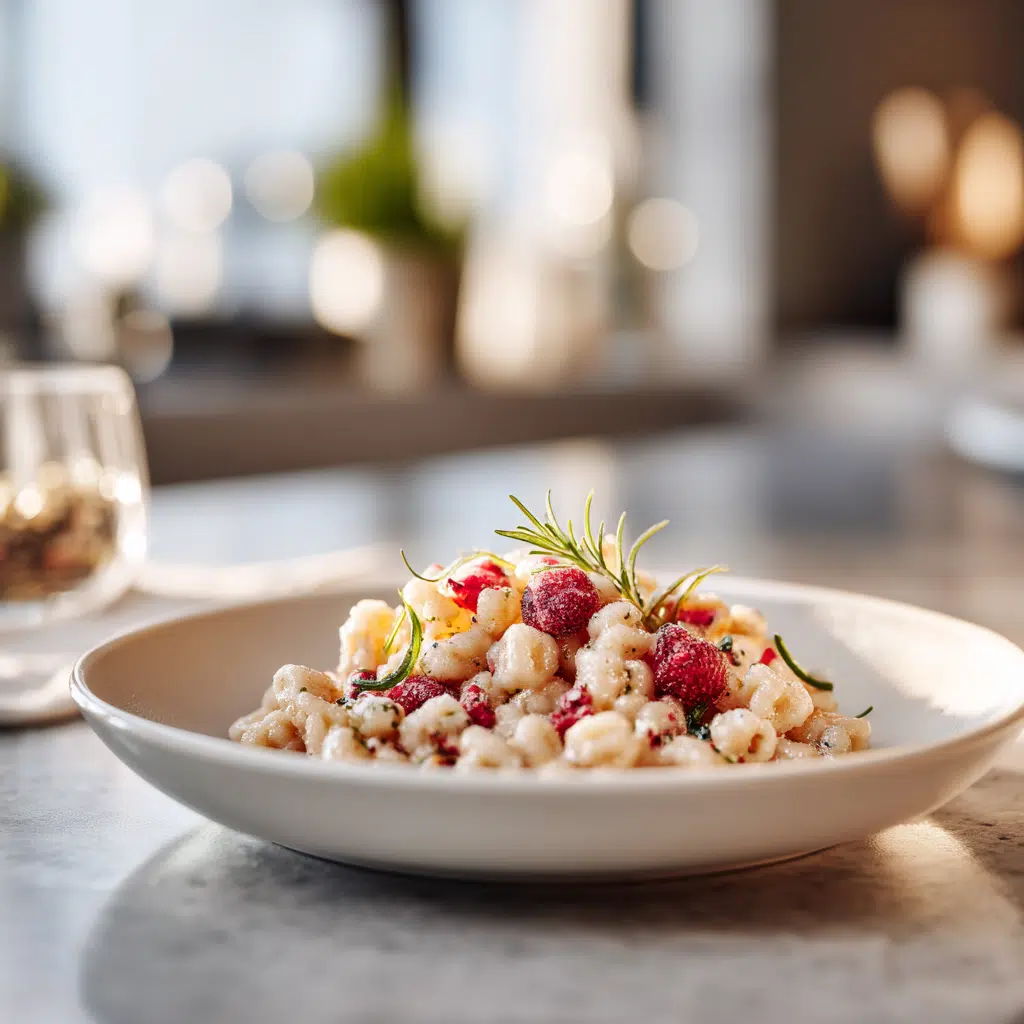
Homemade Pâtes de Fruits are traditional French confectionery jellies made by reducing fruit juice or purée with sugar and pectin to create a concentrated, chewy treat. This Homemade Pâtes de Fruits recipe utilizes the natural Brightness of citrus or pomegranate juice to deliver a high-end candy experience that rivals Parisian boutiques. These jellies rely on a precise chemical reaction between the fruit acids, sugar, and pectin to achieve their signature dense texture rather than using gelatin. You will find that the resulting intensity of the fruit is far superior to store-bought gummy candies or standard gelatin snacks. By controlling the temperature and drying time, anyone can produce these sophisticated sweets in a standard home kitchen without specialized industrial equipment.
Recipe Overview
| Prep Time | Cook Time | Total Time | Servings | Difficulty | Cuisine |
|---|---|---|---|---|---|
| 20 Minutes | 25 Minutes | 36 Hours | 36 Pieces | Intermediate | French |
Why This Recipe Works
I have spent years perfecting high-end confections, and this Homemade Pâtes de Fruits method stands out because of its simplicity and reliability. The use of classic pectin combined with a specific thermal target of 223˚F ensures that the jellies set firmly enough to be handled but remain tender on the palate. I discovered that using a wide, heavy-bottomed pan increases the surface area, which allows the juice to reduce efficiently without scorching the delicate sugars.
The addition of lemon juice at the very end of the process is the secret to a professional set. Pectin requires an acidic environment to bond its molecules together, and that final splash of citrus provides the necessary pH drop to trigger the thickening. My experience shows that the extended drying period of 24 to 36 hours is the most critical step for preventing the sugar coating from dissolving into a sticky mess later.
Ingredients
| Ingredient | Quantity | Notes and Alternatives |
|---|---|---|
| Fruit Juice | 2 Cups | Orange or pomegranate recommended; use 100% juice without added sugar. |
| Granulated Sugar | 1 Cup + extra | Fine white sugar works best for the internal structure and final coating. |
| Classic Pectin | 3 Tablespoons | Use powdered yellow pectin or classic pectin; do not use low-sugar versions. |
| Lemon Juice | 1 Tablespoon | Must be freshly squeezed to provide the correct acidity levels. |
Step-by-Step Instructions
Phase 1: Preparation and Heating
- Oil a square baking dish lightly using a neutral vegetable oil to ensure the lining stays in place.
- Line the base and sides with parchment paper, leaving an inch of overhang for easy removal.
- Squeeze the fresh fruit juice through a fine-mesh strainer to remove all pulp and seeds.
- Pour the strained juice into a heavy-bottomed saucepan at least 9 inches in diameter.
- Attach a digital candy thermometer to the side of the pan, ensuring the bulb does not touch the bottom.
- Bring the fruit juice to a gentle simmer over medium heat.
Phase 2: Incorporating Sugar and Pectin
- Whisk the 1 cup of granulated sugar and the powdered pectin together in a separate bowl.
- Pour the sugar mixture slowly into the simmering juice while whisking constantly.
- Scrape the edges of the pan to ensure no pectin clumps remain stuck to the sides.
- Increase the heat to medium-high to bring the liquid to a rolling boil.
- Stir the mixture occasionally with a heat-resistant spatula to prevent scorching.
- Monitor the thermometer until the mixture reaches exactly 223˚F (106˚C).
Phase 3: Setting and Curing
- Remove the saucepan from the heat immediately once it reaches the target temperature.
- Stir in the fresh lemon juice to activate the final gelation process.
- Pour the hot fruit mixture carefully into the prepared baking dish.
- Set the dish on a flat surface at room temperature in a dry area.
- Leave the block uncovered for 24 to 36 hours to allow moisture to evaporate.
Phase 4: Slicing and Coating
- Lift the block out of the pan using the parchment paper edges.
- Coat a sharp chef’s knife with cooking spray or a thin layer of oil.
- Cut the fruit block into even 1.5-inch squares.
- Place extra granulated sugar in a shallow bowl or plate.
- Roll each square in the sugar until all surfaces are fully covered.
Chef Tips for Perfect Results
- Use a heavy-bottomed stainless steel pan to distribute heat evenly and prevent the sugar from burning at the edges.
- Verify your candy thermometer accuracy by testing it in boiling water; it should read 212˚F at sea level.
- Avoid making these on a very humid or rainy day, as the pectin may struggle to dry out properly.
- Stir the sugar and pectin together before adding to the liquid to prevent “pectin fish-eyes” or lumps.
- Ensure the mixture reaches the full 223˚F because even a two-degree difference will result in a soft, jam-like texture.
Common Mistakes to Avoid
- Using low-sugar or no-sugar pectin will fail to set because the recipe relies on standard pectin’s reaction with high sugar concentrations.
- Under-cooking the mixture happens when the thermometer is touching the bottom of the pan rather than the liquid itself.
- Coating the squares in sugar too early causes the sugar to dissolve into a sticky syrup within a few hours.
- Adding the lemon juice too early in the boiling process can break down the pectin chains and weaken the final set.
- Skipping the straining step leaves fibers in the jelly that ruin the clear, jewel-like appearance of the candy.
Variations and Substitutions
| Original Ingredient | Substitution | Impact on Flavor and Texture |
|---|---|---|
| Orange Juice | Blood Orange Juice | Provides a deeper red color and a more complex, tart flavor profile. |
| Pomegranate Juice | Raspberry Purée (strained) | Creates a thicker consistency and introduces a classic berry aroma. |
| Granulated Sugar | Sanding Sugar (for coating) | Provides a larger crunch and a more professional, sparkling appearance. |
| Lemon Juice | Lime Juice | Offers a sharper, zesty tropical note without affecting the set. |
Serving Suggestions and Pairings
These candies serve as the perfect mignardise to accompany a strong cup of Turkish coffee or a rich Earl Grey tea. You can include them on an afternoon tea platter or as a bright, acidic palate cleanser following a heavy Mediterranean dinner. They are particularly festive during the winter holidays when presented in a decorative tin with layers separated by parchment paper. For an elegant dessert board, pair them with sharp cheeses like Manchego or aged cheddar to contrast the sweet fruitiness.
Storage and Maintenance
| Method | Duration | Instructions |
|---|---|---|
| Room Temperature | 2 Weeks | Store in an airtight container with parchment paper between layers. |
| Cool Dry Larder | 3 Weeks | Keep away from direct sunlight and heat sources to prevent melting. |
| Refrigeration | Not Recommended | Humidity in the fridge causes the sugar coating to weep and become sticky. |
Nutritional Information
| Nutrient | Amount per Serving (Approximate values) |
|---|---|
| Calories | 45 kcal |
| Carbohydrates | 11g |
| Sugars | 10g |
| Vitamin C | 4mg |
| Sodium | 2mg |
Conclusion
Success in creating Homemade Pâtes de Fruits relies on the careful balance of heat, acidity, and patience. By following this method, you transform simple fruit juice into a luxury confection that captures the essence of the fruit in a concentrated, crystalline form. The process of watching the liquid transform into a thick, volcanic amber and then finally into sparkling gems is incredibly rewarding for any home cook. These jellies are more than just candy; they are a celebration of fruit and the science of traditional French confectionery.
As you become more comfortable with the 223˚F temperature target, you can begin experimenting with different fruit combinations like passion fruit or blackberry. Remember that the long drying time is your best friend when it comes to achieving that perfect, non-sticky outer crust. Once you taste a piece of candy made with real fruit and no artificial colors, you will find it difficult to return to commercial alternatives. Share these with friends or keep them as a personal treat in your pantry for whenever you need a bright burst of natural sweetness and deep citrus flavor.
Frequently Asked Questions
Can I use gelatin instead of pectin for this recipe?
Gelatin cannot be substituted for pectin in this recipe because it produces a rubbery texture rather than the dense, short-bite characteristic of pates de fruits. Pectin is a plant-based fiber that reacts with sugar and acid to create a firm, sliceable gel at high temperatures. Using gelatin would require an entirely different heating process and would result in a standard gummy candy.
How do I know if the mixture is finished cooking?
The mixture is finished cooking precisely when it reaches 223˚F on a candy thermometer. You will also notice the liquid becomes very thick, translucent, and forms heavy ribbons when it falls off your spoon. Relying on visual cues alone is risky, so using a calibrated digital thermometer is the most reliable way to ensure a perfect set.
Why are my fruit jellies sweating after I coat them in sugar?
Sweating occurs when the fruit block has not had enough time to air-dry before being sliced and coated. The internal moisture migrates to the surface and dissolves the sugar crystals if the drying period is shorter than 24 hours. Ensure your kitchen is not overly humid and allow the block an extra 12 hours of drying time if the surface feels tacky.
Can I make these candies several days in advance?
You can make these candies up to two weeks in advance as long as they are stored in a cool, dry place. In fact, the flavor often intensifies slightly after the first 48 hours as the moisture levels stabilize. Keep them in a single layer or separated by paper to maintain their shape and crystalline exterior.
What is the best way to cut the jellies without sticking?
The best way to cut the jellies is to use a very sharp chef’s knife lightly coated with a neutral oil or non-stick cooking spray. Clean the blade with warm water and re-oil it after every two or three cuts to ensure clean, straight edges. Avoid using a serrated knife as it will tear the delicate jellies and create an uneven surface for the sugar coating.
Print
Homemade Pâtes de Fruits: The Ultimate Fruit Jelly Guide
- Total Time: 36
- Yield: 36 pieces
- Diet: Vegetarian
Description
Elegant French fruit jellies made with reduced fruit juice, sugar, and pectin. These chewy, intensely flavored sweets showcase the natural brightness of citrus or pomegranate, with a texture rivaling high-end Parisian confections. No gelatin or alcohol used.
Ingredients
2 cups fruit juice
1 cup granulated sugar
3 tablespoons classic pectin
1 tablespoon lemon juice
Extra sugar for coating
Instructions
Pour fruit juice into a wide heavy-bottomed pan
Add sugar and stir until dissolved
Bring to a boil, then gradually sprinkle in pectin while stirring
Raise temperature to 223°F (106°C) using a candy thermometer
Remove from heat and stir in lemon juice to trigger set
Pour into small molds or silicone trays
Place on a wire rack with parchment paper for 24-36 hours to dry
Roll completed jellies in sugar to coat while slightly damp
Notes
Use only 100% pure fruit juice with natural pectin
Pomegranate or orange juice yields best results
Molds should be heatproof for safe pouring
Store in airtight container at room temperature
- Prep Time: 20
- Cook Time: 25
- Category: Easy Homemade Dessert Recipes & Treats
- Method: Canning
- Cuisine: French