
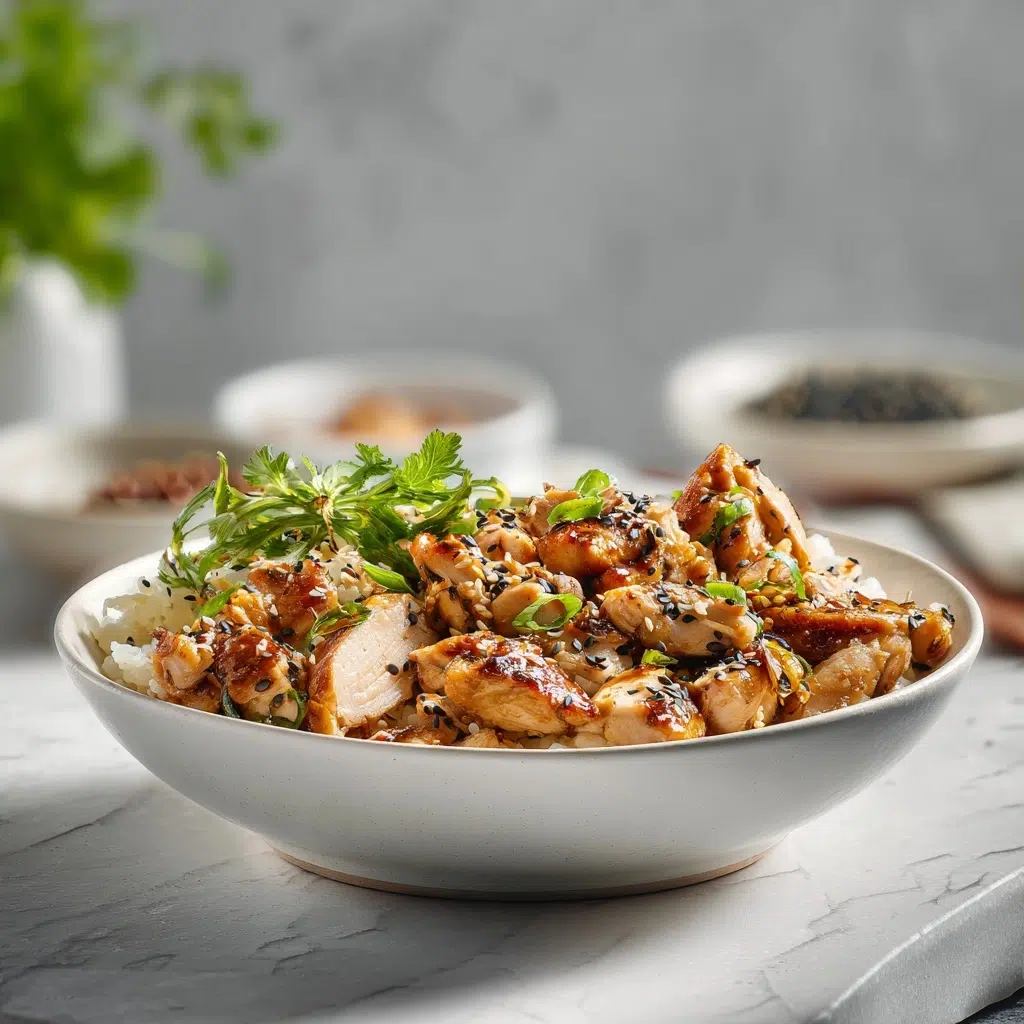
Teriyaki Chicken Bowls are a nutritionally balanced Japanese-inspired dish consisting of tender sautéed chicken breast and crisp vegetables coated in a savory-sweet glaze served over steamed white rice. This specific Teriyaki Chicken Bowls recipe focuses on high protein content and vibrant fiber-rich produce to provide a sustained energy source throughout your day. By utilizing a high-heat searing technique for the poultry and a quick simmer for the sauce, you achieve a professional restaurant-quality texture within twenty minutes. The combination of toasted sesame oil and soy-based minerals creates a deep umami profile that satisfies cravings for traditional takeout while maintaining control over sodium and sugar levels. Authentic preparation requires constant movement in the skillet to ensure the sugars in the glaze caramelize without burning against the pan surface.
Recipe Overview
| Attribute | Details |
|---|---|
| Prep Time | 10 Minutes |
| Cook Time | 10 Minutes |
| Total Time | 20 Minutes |
| Servings | 2 People |
| Difficulty | Easy |
| Cuisine | Japanese-American |
Why This Recipe Works
I have spent years perfecting quick weeknight meals, and this specific formula succeeds because it balances texture and temperature contrast perfectly. The high smoke point of the sesame oil allows the diced chicken to develop a golden-brown exterior while the interior remains succulent and moist. Using small-cut broccoli and thinly sliced carrots ensures that the vegetables reach a tender-crisp consistency in the same time it takes for the sauce to thicken into a glossy coating.
My kitchen testing revealed that adding the teriyaki sauce at the very end prevents the vegetable moisture from diluting the flavor profile of the chicken. The rice acts as a foundation, absorbing excess glaze so that every bite contains a concentrated burst of ginger and garlic notes. This approach eliminates the need for complex marinating times, making it a reliable choice for busy professionals who refuse to sacrifice nutritional quality for speed.
Ingredients
| Ingredient | Quantity | Notes and Alternatives |
|---|---|---|
| Chicken Breasts | 2 Large | Diced into 1-inch cubes for even cooking. |
| Cooked Rice | 2 Cups | Use Jasmine or Basmati for the best fluffiness. |
| Broccoli Florets | 1 Cup | Fresh is preferred; thaw and pat dry if using frozen. |
| Carrot | 1 Medium | Thinly sliced into coins or matchsticks. |
| Teriyaki Sauce | 1/3 Cup | Ensure it is a thick, glaze-style sauce. |
| Sesame Oil | 1 Tablespoon | Toasted sesame oil provides superior nutty aroma. |
| Sesame Seeds | 1 Teaspoon | White or black seeds for a professional garnish. |
Step-by-Step Instructions
Phase 1: Searing the Chicken
- Heat the sesame oil in a large heavy-bottomed skillet over medium-high heat until it begins to shimmer.
- Place the diced chicken into the skillet in a single layer to ensure proper browning.
- Cook the chicken for approximately 5-6 minutes, turning occasionally until a golden crust forms and the internal temperature reaches 165°F.
Phase 2: Vegetable Integration
- Add the broccoli florets and sliced carrots directly into the skillet with the cooked chicken pieces.
- Toss the mixture constantly for 3 minutes to allow the vegetables to soften using the residual heat and moisture.
- Maintain high heat to ensure the vegetables stay bright green rather than turning a dull olive color.
Phase 3: The Final Glaze
- Pour the teriyaki sauce over the chicken and vegetable mixture while the pan is still very hot.
- Simmer the sauce for 2 to 3 minutes, stirring continuously until the glaze thickens and coats every ingredient.
- Serve the hot mixture immediately over the bowls of cooked rice and sprinkle with sesame seeds.
Chef Tips for Perfect Results
- Pat the chicken dry with paper towels before dicing to remove surface moisture that prevents browning.
- Cut all chicken pieces into uniform sizes so they reach the safe internal temperature simultaneously without overcooking.
- Use a cast iron or carbon steel skillet to achieve the best heat retention and caramelization on the protein.
- Refresh day-old rice by adding a teaspoon of water and microwaving it before topping with the hot teriyaki mixture.
- Wait until the very end to add the sauce to ensure the carrots maintain a slight crunch for texture.
Common Mistakes to Avoid
Overcrowding the skillet is a frequent error that results in the chicken steaming in its own juices rather than searing. To fix this, use a wide pan or cook the chicken in two smaller batches to allow air circulation. Another mistake is adding the vegetables too early, which leads to mushy broccoli that loses its structural integrity and nutritional value. Always sear the meat fully before introducing the produce to the heat. High-sugar sauces can burn quickly if left unattended on a high flame. You must reduce the heat to medium when simmering the glaze to prevent a bitter, burnt aftertaste. Finally, ignoring the rice quality can ruin the dish; always rinse your rice before boiling to remove excess starch and prevent clumping.
Variations and Substitutions
| Ingredient | Substitution | Impact on Flavor |
|---|---|---|
| Chicken Breast | Chicken Thighs | Richness increases; meat stays juicier during reheating. |
| White Rice | Quinoa or Brown Rice | Nuttier flavor profile with significantly more fiber. |
| Teriyaki Sauce | Coconut Aminos + Honey | Provides a soy-free alternative with a lighter sweetness. |
| Sesame Oil | Avocado Oil | Neutral flavor profile with a very high smoke point. |
Serving Suggestions and Pairings
These Teriyaki Chicken Bowls perform exceptionally well as a primary meal for fitness-focused lunches or quick weekday family dinners. For a complete Asian-inspired spread, serve these bowls alongside a side of salted edamame or a crisp cucumber salad dressed in rice vinegar. Those hosting a casual gathering can present the ingredients in large separate platters for a build-your-own bowl station. If you desire additional heat, a drizzle of sriracha or a pinch of crushed red pepper flakes complements the sweet glaze perfectly. This dish is best enjoyed immediately while the steam rises from the fresh vegetables and the sauce is at its most liquid state.
Storage and Reheating
| Method | Duration | Instructions |
|---|---|---|
| Refrigeration | 3-4 Days | Store in an airtight glass container to maintain freshness. |
| Freezing | 2 Months | Freeze chicken and rice separately for the best texture. |
| Microwave | 2 Minutes | Cover with a damp paper towel to prevent the rice from drying. |
| Stovetop | 5 Minutes | Add a splash of water and heat over medium in a covered pan. |
Nutritional Information
| Nutrient | Amount per Serving |
|---|---|
| Calories | 480 kcal |
| Protein | 35g |
| Total Fat | 12g |
| Carbohydrates | 58g |
| Fiber | 4g |
| Sodium | 890mg |
Approximate values based on standard ingredients.
In conclusion, Teriyaki Chicken Bowls offer a versatile and efficient solution for anyone seeking a high-protein meal that does not require hours of preparation. This recipe successfully combines the essential elements of a healthy diet including lean protein, complex carbohydrates, and essential vitamins from fresh vegetables. By following the high-heat searing method and using quality sesame oil, you create a flavor profile that rivals professional kitchens. The adaptability of the bowl format allows you to customize the ingredients based on your specific dietary needs or seasonal vegetable availability. Preparing this meal in bulk can also streamline your weekly schedule through effective meal prepping. Transitioning from processed frozen meals to this fresh alternative will significantly improve your daily nutrition while satisfying your palate. Enjoy the process of creating this restaurant-quality dish in the comfort of your own kitchen. The final result is a balanced plate that highlights the signature salty-sweet harmony of traditional teriyaki glaze.
Frequently Asked Questions
Can I use frozen vegetables for Teriyaki Chicken Bowls?
Frozen vegetables work well in this recipe if you thaw them completely and pat them dry before cooking. Excess moisture from frozen produce can cause the sauce to become watery and prevent the chicken from maintaining its sear. Increase the heat slightly to evaporate any remaining ice crystals quickly during the sauté phase.
How do I know when the chicken is fully cooked?
The chicken is fully cooked when it reaches an internal temperature of 165°F as measured by a digital meat thermometer. You can also verify doneness by cutting a piece in half to ensure the juices run clear and no pink remains in the center. Avoid cooking beyond this point to prevent the breast meat from becoming tough or rubbery.
What should I do if my teriyaki sauce is too thin?
Slowly simmer the sauce for an additional two minutes to allow the natural sugars to reduce and thicken. If the sauce remains too runny, you can mix one teaspoon of cornstarch with a teaspoon of cold water and stir it into the boiling glaze. This slurry will immediately create a thick, glossy texture that clings to the chicken and vegetables.
Can I make Teriyaki Chicken Bowls ahead of time for meal prep?
This dish is an excellent candidate for meal prep because the flavors often deepen after a night in the refrigerator. Store the cooked rice at the bottom of your container and top it with the chicken and vegetable mixture. When you reheat the bowl, the juices from the chicken will move down into the rice to keep it moist.
Is there a way to make this recipe gluten-free?
You can make this recipe gluten-free by substituting the standard teriyaki sauce with a version made from tamari or coconut aminos. Many commercial teriyaki sauces contain wheat-based soy sauce, so it is vital to check the label for certification. The flavor remains nearly identical, providing the same savory experience without the gluten content.
Print
Teriyaki Chicken Bowls Recipe
- Total Time: 20
- Yield: 2 servings
- Diet: Pescetarian
Description
Japanese-inspired bowls with tender sautéed chicken and crisp vegetables in a savory-sweet glaze. High in protein and fiber, served over steamed white jasmine rice for a balanced, weeknight-friendly meal.
Ingredients
2 large chicken breasts, diced into 1-inch cubes
2 cups cooked white rice
1 cup broccoli florets
1 medium carrot, thinly sliced into coins
4 tablespoons soy sauce (low sodium recommended)
2 tablespoons honey
1 teaspoon grated fresh ginger
1 clove garlic, minced
1 teaspoon toasted sesame oil
1 teaspoon cornstarch
2 tablespoons water
Instructions
Heat 1 teaspoon sesame oil in a large skillet over medium-high heat
Add chicken and sauté 3-4 minutes until golden brown and nearly cooked through
Push chicken to one side, add remaining oil, and sauté broccoli and carrots 2-3 minutes
In a small bowl, whisk soy sauce, honey, ginger, garlic, and cornstarch
Pour sauce into skillet with chicken and vegetables, stir to coat evenly
Add water and simmer 2-3 minutes until sauce thickens and glazes ingredients
Serve over 2 cups of warm rice in separate bowls
Notes
Constantly stir glaze during simmering to prevent burning
Patience with sauce reduction creates restaurant-quality texture
Jasmine/basmati rice recommended for optimal flavor pairing
- Prep Time: 10
- Cook Time: 10
- Category: Easy Chicken Dinner Recipes for Busy Nights
- Method: Sautéing
- Cuisine: Japanese-American