
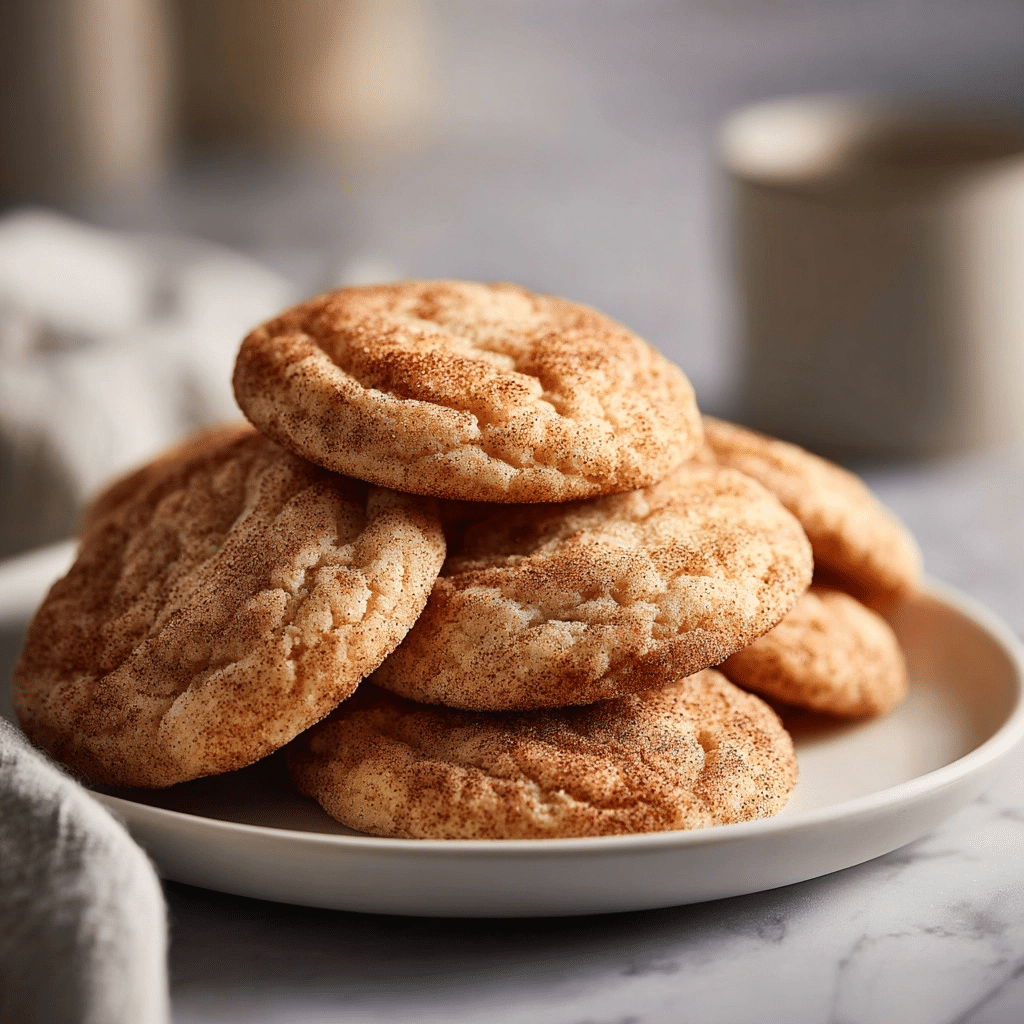
Snickerdoodles are a classic American butter cookie characterized by a soft, pillowy texture and a signature tangy flavor profile derived from cream of tartar. These iconic treats stand out from standard sugar cookies because they undergo a generous coating in a cinnamon-sugar mixture before the baking process begins. High-quality butter and fresh eggs provide the necessary richness that balances the warm spice of the exterior coating. This specific recipe utilizes a precise ratio of leavening agents to ensure the cookies puff up beautifully in the oven then settle into a chewy, crackled finish. Whether you serve them at a holiday gathering or keep them in a jar for afternoon snacks, these cookies provide a nostalgic experience that appeals to all ages. The simplicity of the ingredients ensures that anyone can replicate these bakery-style results in a home kitchen with minimal equipment and preparation time required.
Recipe Overview
| Category | Prep Time | Cook Time | Total Time | Servings | Difficulty | Cuisine |
|---|---|---|---|---|---|---|
| Details | 15 Minutes | 10 Minutes | 25 Minutes | 24 Cookies | Easy | American |
Why This Recipe Works
This recipe succeeds because it prioritizes the chemical reaction between cream of tartar and baking soda to create the legendary Snickerdoodle texture. I have tested dozens of variations, and the high ratio of cream of tartar is essential for providing that distinct acidic tang and preventing sugar crystallization. The result is a cookie that remains soft for days rather than becoming brittle or overly crunchy once cooled.
Using room temperature butter allows for maximum aeration during the creaming stage, which contributes to a lighter crumb structure. Adding the eggs one at a time ensures the emulsion stays stable, preventing the dough from breaking or becoming greasy. The high baking temperature of 375°F causes a rapid rise and set, which creates those beautiful, deep cracks on the surface that trap the cinnamon sugar in every bite.
Ingredients
| Ingredient | Quantity | Notes and Alternatives |
|---|---|---|
| Unsalted Butter | 1 cup | Softened to room temperature; use high-fat European butter for richer flavor. |
| Granulated Sugar | 1 1/2 cups | Standard white sugar provides the necessary structure and sweetness. |
| Large Eggs | 2 units | Ensure they are at room temperature for better incorporation. |
| All-Purpose Flour | 2 3/4 cups | Measure by weight or the spoon-and-level method to avoid dry cookies. |
| Cream of Tartar | 2 tsp | Non-negotiable for the specific tang and chewy texture. |
| Baking Soda | 1 tsp | Ensure freshness to guarantee the cookies rise properly. |
| Salt | 1/4 tsp | Fine sea salt balances the sugar; omit if using salted butter. |
| Cinnamon Sugar | As needed | Mix 3 tablespoons sugar with 1 tablespoon ground cinnamon. |
Step-by-Step Instructions
Phase 1: Creaming and Wet Ingredients
- Cream the softened butter and 1 1/2 cups of granulated sugar in a large bowl until the mixture appears pale and fluffy.
- Beat in the eggs one at a time, ensuring each egg is fully incorporated before adding the next one to maintain emulsion.
- Scrape down the sides of the bowl with a spatula to ensure no pockets of butter remain unmixed at the bottom.
Phase 2: Combining Dry Ingredients
- Mix the all-purpose flour, cream of tartar, baking soda, and salt in a separate medium-sized mixing bowl using a whisk.
- Combine the dry ingredients into the wet butter mixture gradually while mixing on a low speed to prevent gluten overdevelopment.
- Stop mixing as soon as the last streaks of flour disappear to ensure the Snickerdoodles remain soft and tender.
Phase 3: Shaping and Coating
- Roll the dough into uniform balls approximately one inch in diameter using a small cookie scoop for consistency.
- Coat each dough ball thoroughly in the cinnamon sugar mixture until the entire surface is covered in spice.
- Place the coated balls on a parchment-lined baking sheet, leaving at least two inches of space between each cookie.
Phase 4: Baking and Cooling
- Bake at 375°F for exactly 10 minutes or until the edges are set but the centers still look slightly soft.
- Cool the cookies on the baking sheet for five minutes to allow the structure to set before moving them.
- Transfer to a wire rack after the initial cooling period to finish reaching room temperature before serving.
Chef Tips for Perfect Results
- Aerate your flour before measuring by fluffing it with a fork and leveling off the measuring cup with a flat edge.
- Use fresh cream of tartar because an expired leavening agent will result in flat cookies lacking the signature tangy flavor.
- Chill the dough for thirty minutes if your kitchen is warm to prevent the cookies from spreading too thin during baking.
- Check your oven temperature with an external thermometer to ensure the 375°F setting is accurate for the perfect crackle.
- Press the dough balls slightly with the palm of your hand before baking if you prefer a flatter, wider cookie.
- Rotate your baking sheets halfway through the cooking time to ensure an even golden brown color on all cookies.
Common Mistakes to Avoid
- Overmixing the dough after adding flour leads to excessive gluten formation and a tough, bread-like texture in the final cookie.
- Using cold butter prevents proper air incorporation during the creaming process and results in a dense, heavy Snickerdoodle with no lift.
- Omitting the cream of tartar changes the chemical balance and turns the recipe into a basic sugar cookie without the tang.
- Baking for too long causes the sugars to harden into a crunchy disc rather than the desired soft and chewy center.
- Crowding the baking sheet prevents proper air circulation and causes the cookies to merge together into one large mass of dough.
Variations and Substitutions
| Ingredient | Substitution | Impact on Flavor |
|---|---|---|
| Granulated Sugar | Light Brown Sugar | Creates a deeper molasses flavor and an even chewier, moister texture. |
| All-Purpose Flour | Gluten-Free 1:1 Blend | Maintains the structure while allowing for dietary restrictions with a slightly grittier finish. |
| Cinnamon Sugar | Pumpkin Pie Spice | Adds notes of nutmeg, ginger, and cloves for a seasonal autumnal twist. |
| Butter | Coconut Oil (Solid) | Provides a subtle tropical flavor and remains dairy-free while affecting the melting point. |
Serving Suggestions and Pairings
Snickerdoodles pair exceptionally well with warm beverages like herbal tea or a dark roast coffee that cuts through the sweetness. These cookies are a staple for holiday cookie exchanges, office parties, and school bake sales due to their long shelf life. For a decadent dessert, use two cookies to sandwich a scoop of vanilla bean or caramel ice cream for a homemade ice cream sandwich. They also complement fruit platters featuring sliced apples or pears, as the cinnamon notes enhance the natural sugars in the fruit.
Storage and Reheating
| Method | Duration | Instructions |
|---|---|---|
| Countertop | 5-7 Days | Store in an airtight container at room temperature with a slice of bread to keep them soft. |
| Freezer | 3 Months | Freeze in a single layer on a tray before transferring to a heavy-duty freezer bag. |
| Reheating | 10 Seconds | Place a single cookie in the microwave on a paper towel to restore the fresh-from-the-oven warmth. |
Nutritional Information
| Nutrient | Amount per Serving |
|---|---|
| Calories | 165 kcal |
| Total Fat | 8g |
| Carbohydrates | 22g |
| Protein | 2g |
| Sugar | 13g |
| Sodium | 95mg |
Approximate values based on a standard 24-cookie yield.
Conclusion
The classic Snickerdoodles recipe remains a favorite in kitchens worldwide because it delivers a perfect balance of sweet, spice, and unique acidity. By following this structured approach, you ensure that every batch yields cookies with the ideal crackled top and soft, pillowy interior. The combination of cream of tartar and the cinnamon-sugar coating creates a profile that is instantly recognizable and universally loved. Remember to prioritize high-quality butter and precise measurements to achieve the bakery-quality results your friends and family expect. These cookies represent the best of simple home baking, requiring no fancy decorations or complex techniques to impress. As you master the timing and temperature, you will find that these treats become a frequent request in your household. Embrace the warmth of the cinnamon and the richness of the butter as you bake this timeless dessert. Whether you are a novice baker or an experienced pastry chef, the Snickerdoodles recipe provides a reliable foundation for delicious results. Finish your baking session by sharing these treats while they are still slightly warm to fully appreciate the signature flavor.
FAQ
Can I substitute cream of tartar in Snickerdoodles?
You can substitute cream of tartar by replacing it and the baking soda with two teaspoons of baking powder for a similar lift. However, this substitution will remove the signature tangy flavor and slightly alter the chewy texture of the traditional recipe. For the most authentic results, using genuine cream of tartar is strongly recommended.
How do I know when Snickerdoodles are finished baking?
Snickerdoodles are finished baking when the edges are set and lightly golden while the centers still appear slightly soft and underdone. The cookies will continue to firm up as they cool on the hot baking sheet for several minutes after removal from the oven. Avoid waiting until the centers are firm, as this indicates the cookies have been overbaked and will become hard.
Why did my Snickerdoodles turn out flat?
Flat Snickerdoodles usually result from butter that was too soft or expired leavening agents like baking soda and cream of tartar. If the dough is too warm before entering the oven, the fat melts faster than the structure can set, causing the cookie to spread excessively. Chilling the dough for thirty minutes before baking can effectively prevent this spreading issue.
Can I make Snickerdoodle dough in advance?
You can prepare Snickerdoodle dough up to three days in advance if you store it in the refrigerator in an airtight container. For long-term storage, roll the dough into balls and freeze them on a tray before transferring them to a freezer-safe bag for up to two months. When you are ready to bake, roll the cold or thawed dough in the cinnamon sugar mixture just before placing them in the oven.
Why are my cookies not crackling on top?
A lack of crackling on the surface often indicates that the oven temperature was too low or the dough was handled too much. High heat is required to pull moisture from the surface quickly, causing the exterior to set and crack as the interior continues to rise. Ensure your oven is fully preheated to 375°F and use a light touch when rolling the dough balls to preserve the internal air pockets.
Print
Snickerdoodles Cookie Recipe: Soft and Chewy Cinnamon Classics
- Total Time: 25
- Yield: 24 cookies
- Diet: Vegetarian
Description
Soft and chewy Snickerdoodles with a signature tangy flavor from cream of tartar. Rolled in a cinnamon-sugar coating and baked for a crackled finish, these cookies are perfect for sweet cravings or family gatherings. Made with simple everyday ingredients for easy home baking.
Ingredients
Unsalted Butter, softened
Granulated Sugar
Large Eggs, room temperature
All-Purpose Flour
Cream of Tartar
Baking Soda
Ground Cinnamon
Granulated Sugar (for coating)
Instructions
Preheat oven to 375°F (190°C)
In a large bowl, cream butter and 1 1/2 cups granulated sugar until light and fluffy
Add eggs one at a time, beating well after each addition
In a separate bowl, whisk together flour, cream of tartar, and baking soda
Gradually add the dry ingredients to the butter mixture and mix until just combined
In a small bowl, combine 2 tsp ground cinnamon and 1/2 cup granulated sugar for coating
Scoop dough into 1-inch balls, roll in cinnamon-sugar mixture, and place on parchment-lined baking sheets
Bake for 10 minutes or until lightly golden and slightly cracked
Let cool on baking sheets for 5 minutes before transferring to a wire rack
Notes
For best results, use room-temperature butter and eggs to ensure smooth emulsification
European-style butter (with higher fat content) enhances flavor richness
To avoid dry cookies, measure flour using the spoon-and-level method (scoop without packing)
Replace granulated sugar with coconut sugar for a subtle caramel note
Store in an airtight container at room temperature up to 5 days
- Prep Time: 15
- Cook Time: 10
- Category: Easy & Delicious Homemade Cookie Recipes
- Method: Baking
- Cuisine: American