
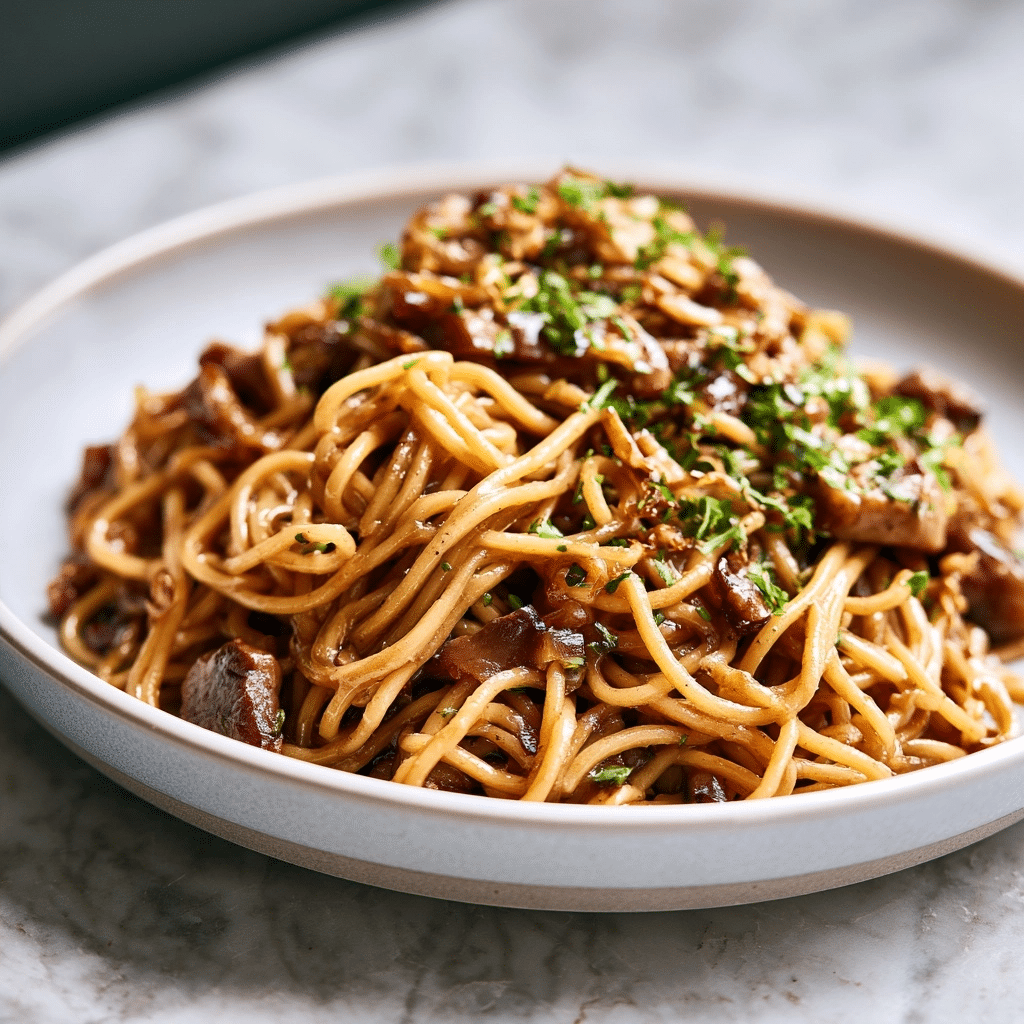
One-pot teriyaki noodles are a comprehensive meal-in-one featuring tender pasta, crisp shredded vegetables, and a savory-sweet glaze cooked entirely in a single vessel. This dish provides the ultimate solution for busy families and professionals who require a high-impact dinner without the burden of multiple pans or complex cleanup. You will find that the starchy water from the pasta emulsifies perfectly with the soy sauce and aromatics to create a glossy, restaurant-quality sauce that coats every strand. The aroma of toasted sesame and ginger fills the kitchen as the noodles reach a perfect al dente texture. This recipe delivers a satisfying balance of salty umami and caramel sweetness that appeals to children and adults alike.
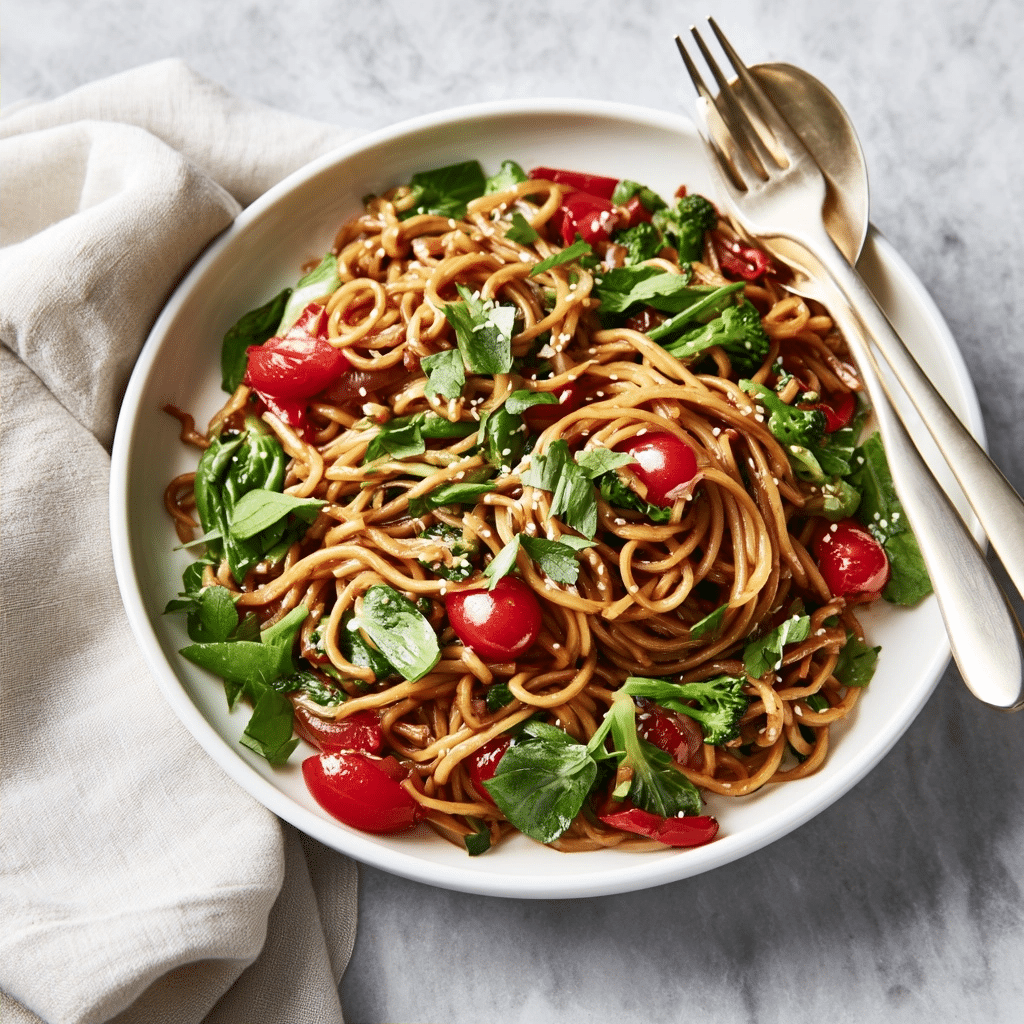
What Is One-Pot Teriyaki Noodles?
One-pot teriyaki noodles represent a modern, streamlined approach to traditional Japanese-inspired flavors, merging the convenience of Italian pasta techniques with the bold profile of teriyaki seasoning. While traditional teriyaki involves grilling glazed meats, this noodle-centric variation utilizes the “absorption method” where the pasta cooks directly in the sauce. This technique ensures the savory notes of soy sauce, ginger, and garlic penetrate the noodles deeply rather than sitting on the surface. Historically, teriyaki refers to a cooking technique involving a glaze (tare) and a shine (teri), and this version achieves that iconic sheen through the natural reduction of the cooking liquid and sugars.
| Prep Time | 10 minutes |
| Cook Time | 18 minutes |
| Total Time | 28 minutes |
| Servings | 4 servings |
| Difficulty Level | Easy |
| Cuisine | Asian-Fusion |
| Calories per Serving | 485 kcal |
Why You’ll Love This Recipe
- Effortless Cleanup: By using only one pot for both sautéing and boiling, you eliminate a sink full of dishes.
- Time-Saving Execution: Spend less than 30 minutes in the kitchen from start to finish.
- Crowd-Pleasing Flavor: The balanced sweet and savory profile is foolproof for picky eaters.
- Budget-Friendly: Uses pantry staples like spaghetti, soy sauce, and brown sugar.
- Meal-Prep Excellence: These noodles stay moist and flavorful when reheated for next-day lunches.
This recipe provides a versatile foundation for any home cook looking to expand their repertoire. Whether you are hosting a casual gathering or simply trying to survive a frantic Tuesday night, the reliability of this dish remains unmatched. The combination of fresh cabbage and carrots adds a nutritional boost and a satisfying crunch that elevates the texture above standard takeout options.
Why This Recipe Works
My first experience with one-pot pasta was a revelation; I realized that boiling noodles in their own sauce creates a richness that plain water simply cannot provide. This specific method for teriyaki noodles works because the starch released from the spaghetti acts as a natural thickening agent for the glaze. Instead of a thin, watery sauce, you achieve a luxurious coat that clings to the pasta, ensuring every bite is uniformly seasoned.
The technical success of this dish relies on the specific order of operations. Sautéing the cabbage and carrots first initiates the Maillard reaction, developing a subtle sweetness and softening the cellulose in the vegetables before the liquids are added. When the brown sugar and soy sauce hit the hot surface, they undergo a brief caramelization process that adds depth to the profile. This layering of flavors—from the initial aromatics to the final sesame garnish—creates a complex taste profile from basic ingredients.
Finally, the sensory payoff is immediate. As the water reduces, you witness a transformation from a liquid broth to a thick, mahogany-colored glaze. The contrast between the soft, yielding noodles and the slightly al dente vegetables creates a professional mouthfeel. The science of reduction ensures that the flavors are concentrated rather than diluted, resulting in a vibrant and punchy finish.
Pro Tips Before You Start
- Mise en Place: Shred your cabbage and carrots before turning on the heat to avoid burning the aromatics.
- Large Pot Selection: Use a wide-bottomed pot or Dutch oven to allow the spaghetti to lie as flat as possible during the initial softening phase.
- Fresh Spices: Ensure your ground ginger and mustard are fresh; older spices lose their volatile oils and will result in a muted flavor.
- Room Temp Veggies: Allow the cabbage to sit out for 10 minutes to take the chill off for more even sautéing.
Ingredients
Here’s everything you’ll need to make these delicious one-pot teriyaki noodles:
| Ingredient | Quantity | Notes/Alternatives |
|---|---|---|
| Green Cabbage | 1/2 head (approx 400g) | Shredded thinly for even cooking |
| Carrots | 2 large (150g) | Shredded or matchstick cut |
| Olive Oil | 1 teaspoon (5ml) | Can use avocado or grapeseed oil |
| Soy Sauce | 2/3 cup (160ml) | Use low-sodium to control saltiness |
| Brown Sugar | 1/2 cup (100g) | Packed; light or dark works |
| Ground Mustard | 1/2 teaspoon | Adds a subtle tang |
| Ground Ginger | 1 teaspoon | Substitute with 1 tbsp fresh grated |
| Garlic Powder | 1/2 teaspoon | Or 2 cloves minced fresh garlic |
| Spaghetti | 16 oz (454g) | Standard dry wheat pasta |
| Water | 3 1/2 cups (830ml) | Room temperature or warm |
| Sesame Seeds | 1 tablespoon | Toasted for better aroma |
| Green Onions* | 2 stalks | Optional garnish for freshness |
Best Ingredients for One-Pot Teriyaki Noodles
Selecting the right soy sauce is the most critical decision for this dish. I recommend a naturally brewed soy sauce over chemically hydrolyzed versions to ensure a clean, complex saltiness without a metallic aftertaste. If you prefer a lighter profile, a low-sodium soy sauce allows you to enjoy the volume of the sauce without overwhelming your palate. The brown sugar provides necessary molasses notes that white sugar lacks, contributing to the dark, rich color of the final glaze.
For the pasta, standard durum wheat spaghetti is ideal because it releases the perfect amount of starch to thicken the liquid. While fresh noodles are great for other dishes, they cook too quickly for this absorption method and may become mushy. Using high-quality shredded vegetables ensures they maintain some integrity after the 18-minute simmer, providing a necessary structural contrast to the soft noodles.
Step-by-Step Instructions
Phase 1: Sauté the Vegetable Base
- Heat a large 5-quart pot or deep skillet over medium-high heat for 2 minutes until a drop of water sizzles.
- Add one teaspoon (5ml) of olive oil and swirl to coat the bottom of the pot.
- Toss the shredded cabbage and carrots into the hot oil immediately.
- Sauté the vegetables for 5 minutes, stirring frequently with a wooden spoon, until they soften and the edges start to turn golden brown.
Phase 2: Season and Simmer
- Pour the soy sauce, brown sugar, ground mustard, ginger, and garlic powder into the pot with the vegetables.
- Mix the ingredients thoroughly to ensure the sugar begins to dissolve into the soy sauce.
- Place the dry spaghetti into the pot, breaking the strands in half if necessary to ensure they fit within the circumference of the vessel.
- Add 3 1/2 cups (830ml) of water over the noodles, ensuring most of the pasta is submerged.
- Bring the mixture to a boil over medium-high heat.
Phase 3: The Absorption Phase
- Cook the mixture uncovered for 15 to 18 minutes, maintaining a steady simmer. (Do not cover the pot or the sauce will not reduce properly.)
- Stir the pot every few minutes once the noodles become pliable and bendable to prevent them from clumping together.
- Increase stirring frequency during the last 4 minutes of cooking as the liquid thickens dramatically. (Crucial to prevent the sugar from sticking to the bottom.)
- Test the noodles for doneness; they should be tender but still have a slight bite (al dente).
Phase 4: Finishing Touches
- Remove the pot from the heat source immediately once the sauce has reached a thick, syrupy consistency.
- Add one tablespoon of sesame seeds and toss the noodles vigorously to distribute the seeds and emulsify any remaining liquid.
- Garnish with additional sesame seeds and sliced green onions if desired.
Chef Tips for Perfect Results
- Constant Agitation: In the final minutes of cooking, stir continuously to ensure the glaze coats the noodles evenly.
- Water Ratio: If the liquid evaporates too quickly before the noodles are tender, add 1/4 cup of water at a time to keep the cooking process going.
- Noodle Separation: Use a pasta fork or tongs to pull the strands apart early in the process to avoid “pasta globs.”
- Heat Management: If the sauce starts to smell like burning sugar, immediately reduce the heat to medium-low.
- Wok Alternative: If you have a large wok, it works excellently for this recipe due to its high sides and even heat distribution.
Common Mistakes to Avoid
- Covering the Pot | Results in thin, watery sauce | The sauce needs evaporation to thicken | Keep the lid off for the entire 18-minute cook time.
- Walking Away | Results in burnt noodles on the bottom | The high sugar content in teriyaki sauce creates a sticky residue as it reduces | Stir frequently, especially toward the end.
- Overcooking the Veggies | Results in mushy cabbage | Cabbage continues to cook during the noodle boiling phase | Only sauté for the recommended 5 minutes initially.
- Using Too Much Water | Results in bloated, soggy noodles | Excess water dilutes the flavor and ruins the texture | Stick strictly to the 3.5 cup measurement.
How to Make This Recipe Healthier
You can easily modify this dish to meet specific nutritional goals without sacrificing the iconic flavor profile. Swapping ingredients can significantly change the macro profile while maintaining the comforting nature of the meal.
- Brown Sugar → Honey or Maple Syrup: Provides a more natural sweetness and adds trace minerals, though it may make the sauce slightly thinner.
- Standard Spaghetti → Whole Wheat Spaghetti: Increases fiber content by 5g per serving and adds a nutty flavor; note that it may require 2-3 extra minutes of cooking.
- Soy Sauce → Liquid Aminos: Reduces sodium intake significantly while providing a similar umami profile.
- Increase Vegetables: Double the cabbage and carrots to add bulk and micronutrients without adding significant calories.
Variations and Substitutions
Customization is the heart of home cooking. Use this table to adapt the recipe to what you have in your pantry.
| Original Ingredient | Substitution | Impact on Flavor | Impact on Texture |
|---|---|---|---|
| Spaghetti | Linguine or Fettuccine | None | Heavier, thicker mouthfeel |
| Brown Sugar | Coconut Sugar | Earther, less sweet | Granular, dissolves well |
| Green Cabbage | Bok Choy or Kale | Greener, slightly bitter | Kale stays crustier; Bok choy is juicy |
| Ground Ginger | Fresh Ginger Root | Zesty, spicy, and bright | Adds small fibrous bits |
Can You Make This Ahead?
Yes, you can prepare these noodles up to 4 days in advance. Unlike creamy sauces that break, this teriyaki glaze holds up exceptionally well in the refrigerator. Store the finished noodles in an airtight container once they have cooled to room temperature. When ready to eat, you may notice the noodles have absorbed all the remaining moisture; simply add a splash of water or a teaspoon of soy sauce before reheating to loosen the strands and restore the glossy finish.
Serving Suggestions and Pairings
This dish is a powerhouse on its own but pairs beautifully with steamed broccoli or snap peas for extra green color. For protein-seekers, serve alongside grilled chicken thighs or seared tofu steaks seasoned with a simple salt and pepper rub. To drink, a crisp green tea or a sparkling lime water provides a refreshing citrus acidic cut to the rich, salty noodles. If you are serving this for a dinner party, plate the noodles in deep bowls and top with a generous dusting of toasted sesame seeds and vertically sliced scallions for a professional look.
Best Occasions to Serve This Recipe
This recipe is perfectly suited for Tuesday-night dinners when time is tight and energy is low. It also shines as a meal-prep Sunday staple, providing a week of lunches that actually taste better the next day as the flavors continue to meld. Because it is meat-free and uses simple ingredients, it is a safe bet for family gatherings where picky children or vegetarians are present. Serve it during the colder months when you crave something warm and carby, or in the summer when you want to minimize time spent over a hot stove.
Storage and Reheating
Efficient storage ensures these noodles remain a high-quality meal for several days. Follow this guide for the best results.
| Method | Duration | Instructions |
|---|---|---|
| Refrigerator | 4 Days | Airtight container; cool before sealing |
| Microwave | 2 Minutes | Heat in 30s intervals with 1 tbsp water |
| Stovetop | 5 Minutes | Heat over low in a pan with a splash of water |
| Freezer | Not Recommended | Noodles can become mushy upon thawing |
Nutritional Information
Approximate nutritional values per serving:
| Nutrient | Amount per Serving |
|---|---|
| Calories | 485 |
| Protein | 14g |
| Fat | 6g |
| Carbohydrates | 92g |
| Fiber | 5g |
| Sugar | 28g |
| Sodium | 1450mg |
*Approximate values based on standard ingredients. Actual nutrition varies by brand and substitutions. Not a substitute for professional nutritional advice.
Conclusion
This one-pot teriyaki noodles recipe wins because it transforms humble pantry staples into a sophisticated, flavor-packed meal with minimal effort. The ease of using only one pot combined with the classic, addictive flavors of homemade teriyaki sauce makes this a dish you will return to weekly. It proves that you do not need an array of specialized tools or expensive ingredients to produce a meal that looks and tastes like it came from a professional kitchen.
The main benefit of this recipe is its undeniable speed and reliability. In the time it takes to order and wait for delivery, you can have a fresh, steaming pot of noodles on the table. The way the salty soy and sweet sugar reduce into a thick glaze is a culinary magic trick that never fails to impress. It transforms a standard box of spaghetti into a vibrant Asian-fusion feast that satisfies every craving.
Try this recipe tonight and see how quickly it becomes a part of your regular rotation. Save this guide for future reference and share it with friends who need a little breathing room in their evening schedule. This dish delivers the perfect balance of convenience and gourmet flair every single time.
FAQ
Can I substitute spaghetti with rice noodles?
Yes, however, you must adjust the liquid and timing. Rice noodles cook much faster and absorb less water, so it is better to cook them separately and toss them in the reduced sauce at the end rather than using the one-pot absorption method.
How do I know when the noodles are done cooking?
The noodles are done when they are flexible and have no white, dry center when bitten. The sauce should also be thick enough to coat a spoon and not pool at the bottom of the pot.
What should I do if my sauce is too salty?
Add a tablespoon of rice vinegar or a squeeze of lime juice. The acidity helps cut through the sodium and balances the overall flavor profile without needing to add more sugar.
Can I make one-pot teriyaki noodles the day before?
Yes, these noodles actually develop better flavor after sitting overnight. Just be sure to reheat them with a small amount of liquid to loosen the sauce back to its original consistency.
Print
Quick One-Pot Teriyaki Noodles: The Best 20-Minute Dinner
- Total Time: 28
- Yield: 4 servings
- Diet: Vegetarian
Description
A high-impact Asian-fusion dish with tender pasta and crisp shredded vegetables in a glossy teriyaki glaze. Cooks entirely in one pot for fuss-free preparation, combining sweet and savory flavors for family-friendly appeal. Ready in 28 minutes with zero-dish cleanup.
Ingredients
12 oz spaghetti or udon noodles
1 cup shredded cabbage
2 medium carrots, peeled and grated
3 garlic cloves, minced
1 tbsp fresh ginger, grated
2 tbsp low-sodium soy sauce
1/3 cup brown sugar
1/4 cup vegetable broth
1 tbsp sesame oil
1 tbsp vegetable oil
1 cup water
2 green onions, sliced (for garnish)
Salt, for boiling water
Instructions
Heat vegetable oil and sesame oil in a large pot over medium-high heat
Add minced garlic and grated ginger, sauté for 2 minutes until fragrant
Stir in shredded cabbage and grated carrots, cook 3-4 minutes until slightly softened
Add dry noodles and stir to coat with the oil and aromatics
Pour in soy sauce, brown sugar, vegetable broth, and 1 cup water
Bring to a boil then reduce heat to low, cover, and simmer 12-15 minutes until noodles are al dente and liquid is absorbed
Remove from heat, stir in green onions, and let rest 5 minutes before serving
Notes
Add halal protein (like tofu or beef) for extra substance
Adjust water quantity based on your noodles’ absorption needs
Use zucchini or bell peppers as optional veggie substitutions
Store leftovers in an airtight container for up to 3 days
The recipe is entirely pork/alcohol-free and suitable for halal diets
- Prep Time: 10
- Cook Time: 18
- Category: Meals
- Method: Stir-Fry/One-Pot
- Cuisine: Japanese-Inspired