
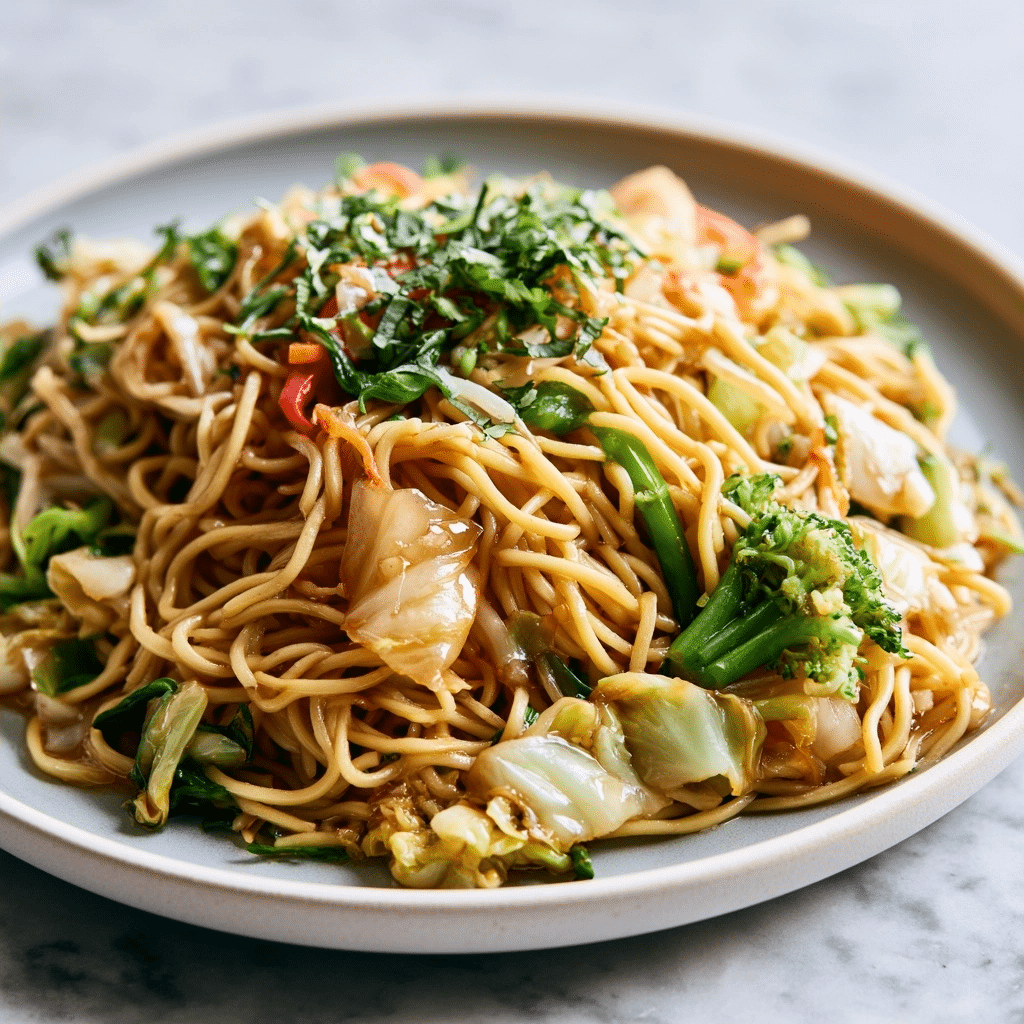
Cantonese Chow Mein provides a satisfying blend of textures, featuring golden-brown crispy noodles tossed with crunchy bean sprouts and savory aromatics. This classic noodle dish serves as an excellent weeknight dinner for busy families who crave authentic restaurant flavors without the long wait. By prioritizing fresh ingredients and high-heat cooking techniques, you achieve that coveted wok-charred aroma and perfectly snap-tender vegetable medley. Master this technique to elevate your home cooking and deliver a cafe-style meal that balances salty, sweet, and umami profiles in every bite.
What Is Cantonese Chow Mein?
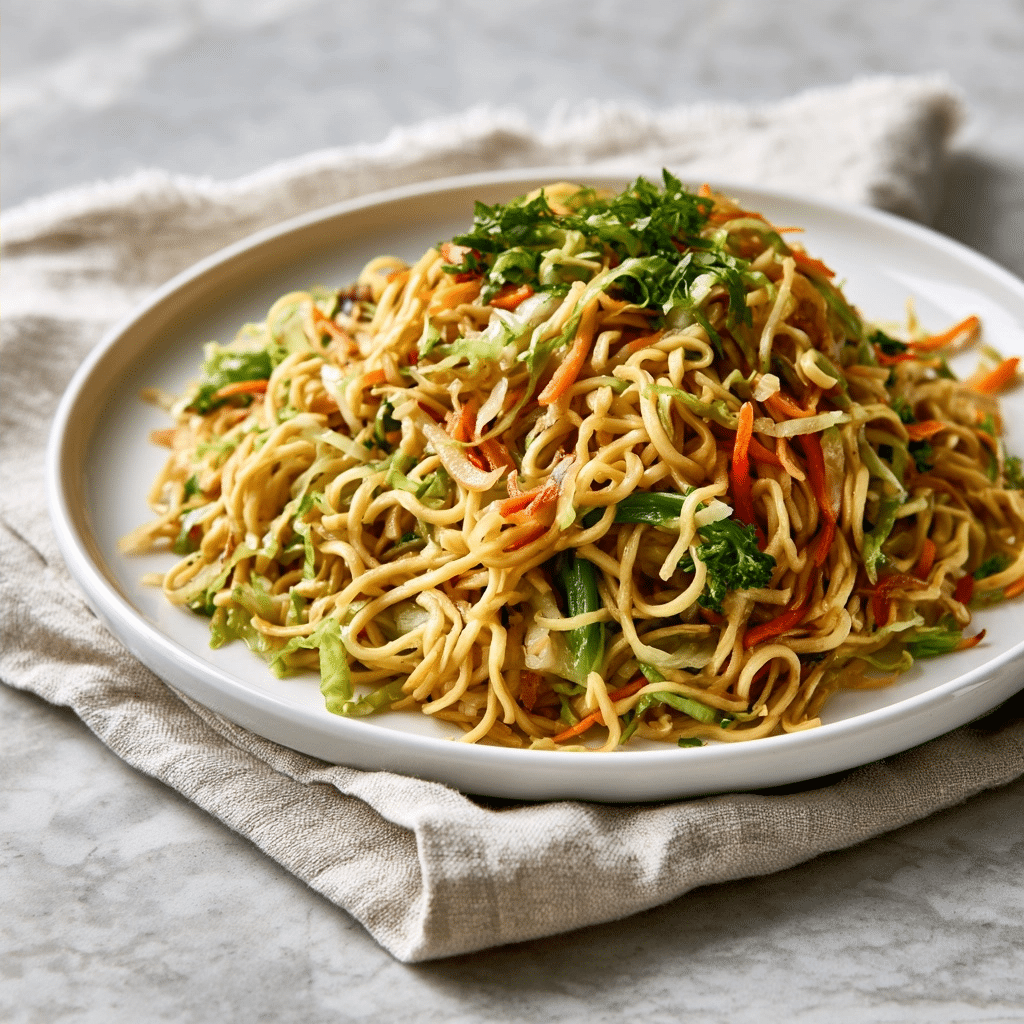
Cantonese Chow Mein consists of thin, parboiled egg noodles that are pan-fried until they achieve a characteristic crispy exterior while maintaining a soft, chewy interior. Unlike chow mein found in other regions, this version highlights the contrast between the partially browned noodles and the crisp texture of fresh bean sprouts. Historically, this dish emphasizes the importance of wok-hei, or breath of the wok, which imparts a subtle smokiness during the quick stir-frying process. You will find this dish served as a staple in Hong Kong-style diners, often highlighting the skill of the chef in managing noodle hydration and heat control.
| Prep Time | 10 minutes |
|---|---|
| Cook Time | 10 minutes |
| Total Time | 20 minutes |
| Servings | 2 |
| Difficulty Level | Easy |
| Cuisine | Cantonese |
| Calories per Serving | 385 |
Why You’ll Love This Recipe
- Effortless preparation that minimizes active time in the kitchen.
- A foolproof technique for achieving the signature crispy texture without deep-frying.
- Highly versatile base that accommodates various vegetables or protein additions.
- Time-saving process requiring only one wok or large skillet for minimal cleanup.
- Crowd-pleasing flavor profile that appeals to both children and adults.
This recipe transforms pantry staples into a restaurant-quality meal in under twenty minutes. It serves as an ideal solution for quick dinners, structured meal prep, or potluck contributions. The combination of technique and timing ensures a consistent, professional outcome every single time.
Why This Recipe Works
Through years of testing Cantonese noodle dishes, I have discovered that the secret lies in the moisture content of the noodles before they hit the pan. By soaking the noodles briefly rather than over-boiling them, you preserve enough structural integrity to allow the pan-fry step to create a protective, crispy crust while moisture remains trapped inside the strands.
The science of this dish relies on the rapid caramelization of the soy sauce mixture combined with the aromatics provided by the yellow onion and green onion whites. Once the sauce hits the hot wok, the sugars in the soy glaze and granulated sugar undergo a Maillard reaction, intensifying the flavor profile. Adding the bean sprouts at the final stage ensures they retain their water content, providing an essential textural crunch that mirrors professional-grade stir-fry.
Visual cues play a critical role, as the color of the noodles provides guidance on the degree of browning. Achieving the perfect balance between the saltiness of the oyster sauce and the faint sweetness of the sugar gives the dish its depth. The final toss with aromatic sesame oil locks everything together, resulting in a cohesive experience that satisfies the palate through varying layers of crunch, savory sauce, and soft noodle interior.
Pro Tips Before You Start
- Mise en Place: Prepare all sauces and chop all vegetables before turning on the heat, as the cooking process is very fast.
- Drain Thoroughly: Ensure noodles are thoroughly drained after soaking to prevent steaming instead of frying in the wok.
- Equipment Setup: Use a large wok or wide non-stick skillet to provide enough surface area for the noodles to lay flat.
Ingredients
Here’s everything you’ll need to make Cantonese Chow Mein:
| Ingredient | Quantity | Notes/Alternatives |
|---|---|---|
| Fresh Hong Kong style egg noodles | 12 oz (340g) | Thin yellow noodles |
| Yellow onion, sliced | 0.5 small | Red onion for milder bite |
| Green onions | 5 stalks | Separate whites and greens |
| Bean sprouts | 2 cups (200g) | Wash and dry thoroughly |
| Corn oil | 3 tbsp | Neutral oil is essential |
| Sesame oil | 1 tsp | To finish |
| Dark soy sauce | 2 tbsp | Provides deep color |
| Regular soy sauce | 1 tbsp | Adds salty depth |
| Oyster sauce | 1 tbsp | Vegetarian mushroom sauce alternative |
| Fish sauce | 0.5 tsp | Adds savory umami |
| Granulated sugar | 1 tbsp | Balances acidity |
| Water | 1 tbsp | To thin the glaze |
Best Ingredients for Cantonese Chow Mein
The quality of your noodles defines this dish, so seek out high-quality fresh egg noodles from an Asian grocer. These noodles possess the right amount of elasticity required to crisp up effectively without becoming brittle. If you must use dried noodles, ensure you parboil them with care, as they are significantly easier to overcook than fresh varieties.
The soy sauce trifecta of dark soy, regular soy, and oyster sauce creates the classic color and savory backbone of the dish. Do not skip on the dark soy sauce, as it provides the aesthetic mahogany hue that characterizes authentic Cantonese noodles. For a budget-friendly adjustment, feel free to use a standard soy sauce if you lack the variety, though the color intensity will be lighter.
Step-by-Step Instructions
Phase 1: Preparation
- Soak the egg noodles in boiling water for 30-60 seconds until softened.
- Drain the noodles thoroughly in a colander and set them aside.
- Whisk the dark soy sauce, regular soy sauce, oyster sauce, fish sauce, sugar, and water in a bowl until dissolved.
Phase 2: Sautéing Aromatics
- Heat one tablespoon of oil in a wok over medium-high heat (approx 375°F/190°C) until shimmery.
- Add the yellow onions and white parts of the green onions to the wok.
- Sauté the aromatics for 1 minute until fragrant and beginning to soften.
- Remove the aromatics from the wok to a small plate and set aside.
Phase 3: Frying and Assembly
- Heat another tablespoon of oil over medium-high heat for 2 minutes.
- Spread the noodles into a thin layer at the bottom of the wok.
- Fry for 2 minutes without moving to allow the bottom to crisp into a cake.
- Flip the noodles carefully, adding a final tablespoon of oil around the outer edge.
- Cook for 2 minutes more until the second side becomes golden and crispy.
- Combine by adding back the cooked onion mixture, bean sprouts, and prepared sauce.
- Toss gently for 1-2 minutes until every strand is coated and sprouts are tender.
- Remove from heat and drizzle with sesame oil, tossing once more before serving.
Chef Tips for Perfect Results
- Wok Heat: Maintain medium-high heat throughout the process to ensure proper caramelization rather than steaming.
- Noodle Texture: If noodles feel gummy, they were boiled too long, so keep the hot water soak under one minute.
- Crisping: Resist the urge to poke the noodles too often during the initial frying phase to encourage the crust to form.
Common Mistakes to Avoid
- Overcrowding the Pan | Leads to soggy noodles | Heat drops too low for frying | Cook in smaller batches if necessary.
- Using Wet Noodles | Results in steam rather than crisp | Excess water prevents oil from browning the dough | Use a salad spinner to remove moisture.
- Overcooking Sprouts | Makes them limp and watery | Retained moisture ruins the noodle texture | Add them at the very last second.
- Skipping Dark Soy | Affects visual appeal and intensity | Lacks deep umami notes | Invest in a bottle of mushroom-infused dark soy sauce.
How to Make This Recipe Healthier
You can adjust the nutrient profile easily to suit your dietary goals without sacrificing the core appeal of the dish.
- Corn Oil → Avocado Oil: Maintains high heat tolerance with a boost of monounsaturated fats.
- Bean Sprouts Increase: Double the sprouts to add volume and fiber, reducing the overall caloric density per bite.
- Less Sugar: Reduce the sugar by half; the dish will remain balanced, and you save approximately 12 calories per serving.
Variations and Substitutions
This recipe is highly adaptable. Use the table below to customize your stir-fry for specific dietary needs or flavor profiles.
| Ingredient | Substitution | Impact on Flavor | Impact on Texture |
|---|---|---|---|
| Egg Noodles | Rice Vermicelli | Neutral | Much softer |
| Oyster Sauce | Mushroom Sauce | Earthier | Similar |
| Fish Sauce | Sea Salt/Soy | Less pungent | No change |
| Onions | Leeks | Sweeter | Slightly stringier |
Can You Make This Ahead?
You can prepare the components of this dish ahead of time, but the frying steps are best completed immediately before eating to maintain texture. Prepare the sauce and chop all vegetables up to 24 hours in advance and store them in airtight containers in the refrigerator. When you are ready to eat, simply follow the cooking instructions from phase two onward. The noodles themselves should not be parboiled too far in advance, as they tend to stick together; soak them just before you are ready to heat the wok.
Serving Suggestions and Pairings
Serve the Cantonese Chow Mein immediately while the noodles remain hot and crispy. Plate the dish on a wide, shallow platter to showcase the golden hues of the noodles and the bright greens of the onions. Pair this dish with a crisp Chinese cucumber salad drizzled in garlic and vinegar for a refreshing contrast to the savory noodles. A cup of jasmine tea provides the perfect beverage pairing, cutting through the oil and complementing the aromatic profile of the stir-fired onions.
Best Occasions to Serve This Recipe
This recipe shines during high-paced evenings where you need a meal that delivers maximum satisfaction with minimal effort. It is ideal for casual Friday night dinners, quick lunch prep for the work week, or as a reliable go-to when hosting friends who prefer simple, high-flavor comfort food. Because it utilizes basic pantry ingredients, it is an excellent “empty the fridge” meal for mid-week sanity.
Storage and Reheating
Store leftovers in an airtight container in the refrigerator to maintain freshness.
| Method | Duration | Instructions |
|---|---|---|
| Refrigerator | 3 days | Airtight container |
| Stovetop | 3 minutes | Warm with a teaspoon of oil |
| Microwave | 1 minute | Cover with a damp towel |
Nutritional Information
Approximate nutritional values per serving:
| Nutrient | Amount per Serving |
|---|---|
| Calories | 385 |
| Protein | 10g |
| Fat | 14g |
| Carbohydrates | 52g |
| Fiber | 2g |
| Sugar | 4g |
| Sodium | 850mg |
Approximate values based on standard ingredients. Actual nutrition varies by brand and substitutions. This information is for general guidance.
Conclusion
Mastering Cantonese Chow Mein changes the way you approach home-cooked stir-fries. By focusing on the texture of the noodles and the timing of your aromatics, you create a dish that stands up to the best takeout experiences. This recipe provides a simple, structured path to achieving that satisfying crunch and deep savory coating, making it a reliable staple for your kitchen repertoire.
You will find that the convenience of this dish makes it perfect for any night of the week. Whether you are craving something comforting after a long day or looking to impress guests with your wok skills, this recipe consistently delivers great results. Save this recipe, share it with your friends, and enjoy the process of perfecting your noodle technique.
FAQ
Can I substitute wheat noodles with rice noodles?
You can use rice noodles, but adjust the soaking time significantly to avoid mushiness. Rice noodles do not hold the same crispy structure as egg noodles, so expect a softer overall texture.
How do I know when the chow mein is done cooking?
The dish is done when the noodles have achieved a consistent golden-brown toasted color and the bean sprouts are just wilted but still offer a crisp snap.
What should I do if the noodles are clumping together?
If noodles clump, ensure you are using enough oil in the pan and flipping them in smaller sections. High-quality fresh noodles should separate easily if handled gently during the frying phase.
Can I make Cantonese chow mein the day before?
You can prep the ingredients ahead, but the final stir-fry must occur immediately before serving. Reheated noodles rarely maintain the specific crispy-soft contrast required for this dish.
Is this recipe suitable for a vegan diet?
Yes, simply replace the oyster sauce with a vegetarian mushroom-based stir-fry sauce. Ensure your noodles do not contain egg, or substitute with high-quality flour-based noodles if strictly vegan.
Print
Perfect Cantonese Chow Mein
- Total Time: 20
- Yield: 2 servings
- Diet: Pescatarian
Description
Experience the authentic flavors of Hong Kong-style dining with this perfect Cantonese Chow Mein. This dish features thin egg noodles pan-seared to achieve a golden, crispy exterior while keeping the center soft and chewy. Tossed with fresh, crunchy bean sprouts and a savory aromatic sauce, this recipe delivers the signature wok-charred aroma right in your own kitchen. It is an effortless, quick, and satisfying meal that balances umami, salty, and sweet notes in every bite.
Ingredients
8 oz thin fresh egg noodles
2 tablespoons vegetable oil
2 cups fresh bean sprouts
1/2 cup thinly sliced yellow onion
2 tablespoons soy sauce
1 tablespoon oyster sauce (vegetarian mushroom sauce variant)
1 teaspoon sesame oil
1/2 teaspoon sugar
2 tablespoons water or vegetable broth
Instructions
Soak the egg noodles in hot water for 3 minutes or until just softened, then drain thoroughly and pat dry.
In a small bowl, whisk together the soy sauce, oyster sauce, sesame oil, sugar, and water to create the stir-fry sauce.
Heat 1 tablespoon of oil in a wok or large skillet over medium-high heat.
Add the noodles to the pan, spreading them out evenly, and pan-fry undisturbed for 3-4 minutes per side until golden brown and crispy, then remove from the pan.
Add the remaining oil to the same wok and stir-fry the yellow onions and bean sprouts for 1-2 minutes until crisp-tender.
Return the crispy noodles to the wok and pour the sauce mixture over the ingredients.
Toss everything quickly over high heat for 1 minute until the sauce coats the noodles evenly and the aroma is released.
Serve immediately while the noodles are hot and crispy.
Notes
Ensure the noodles are very dry before frying to achieve the best crispy texture. Using a wok provides the most authentic wok-hei flavor, but a large cast-iron skillet works perfectly as well. Do not overcrowd the pan during the crisping stage to maintain heat control.
- Prep Time: 10
- Cook Time: 10
- Category: Meals
- Method: Stir-frying
- Cuisine: Cantonese