
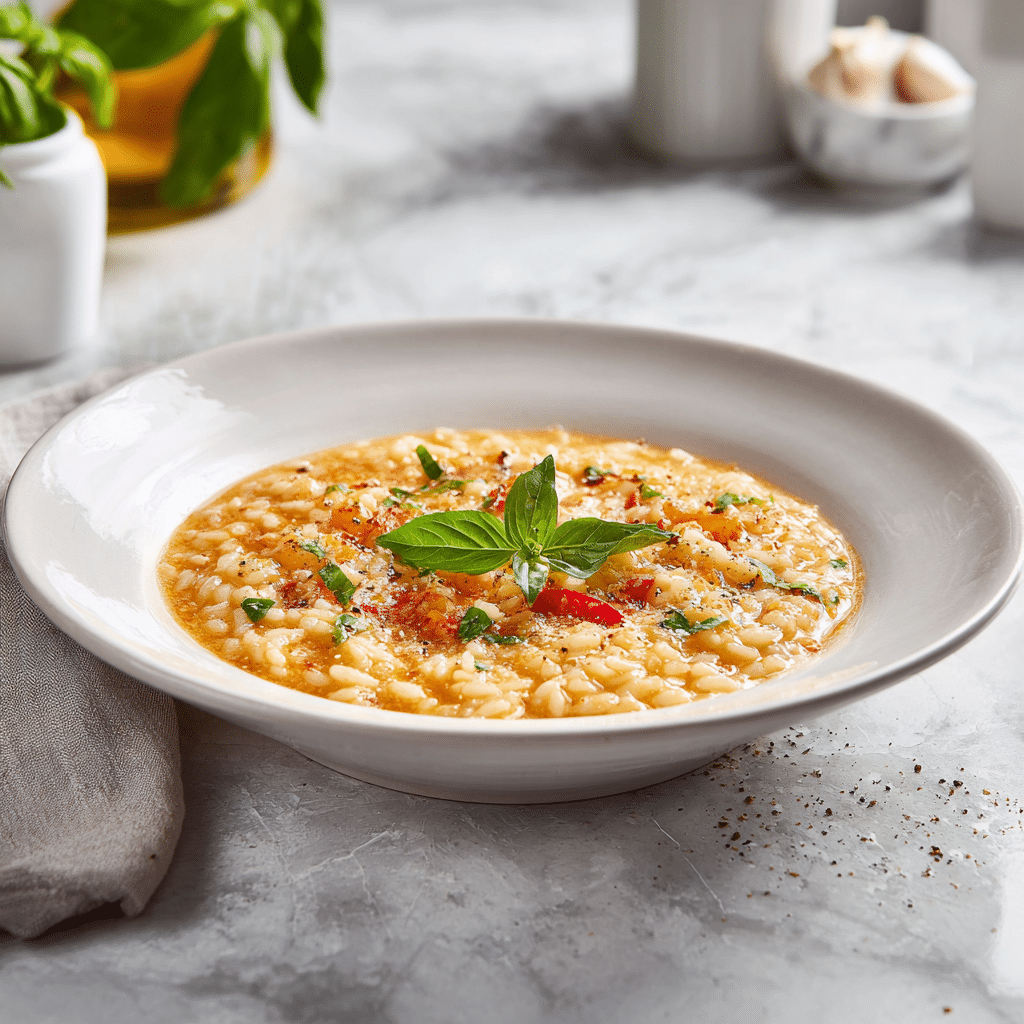
Pastina soup is a traditional Italian comfort dish consisting of tiny star-shaped pasta simmered in a nutrient-rich vegetable and broth base. This wholesome meal serves as the ultimate restorative bowl, often referred to as Italian penicillin due to its soothing properties and simple digestibility. My version utilizes a blended vegetable technique to create a thick, silky texture that coats every individual grain of pasta. By incorporating fresh aromatics like carrots, celery, and garlic, you develop a deep flavor profile without needing heavy fats or artificial additives. This specific preparation ensures that even picky eaters consume a full serving of vegetables hidden within the savory, golden broth. Whether you are seeking a quick weeknight dinner or a nostalgic warm embrace on a cold evening, this dish delivers professional results with minimal effort and humble pantry staples.
Recipe Overview
| Prep Time | 10 Minutes |
| Cook Time | 30 Minutes |
| Total Time | 40 Minutes |
| Servings | 4 People |
| Difficulty | Easy |
| Cuisine | Italian |
Why This Recipe Works
This recipe achieves a superior consistency because the soffritto vegetables are blended directly into the broth rather than left in chunks. I have found that emulsifying the onions, carrots, and celery creates a naturally creamy base that mimics the richness of dairy without adding heavy cream. The addition of a Parmesan rind provides a salty, umami depth that transforms standard store-bought broth into a complex, chef-quality liquid gold. Stirring the pastina frequently during the final minutes releases just enough starch to thicken the soup into a porridge-like consistency that feels incredibly satisfying. I rely on this method during the winter months because it scales easily and provides a consistent texture every single time you prepare it.
Ingredients
| Ingredient | Quantity | Notes with Alternatives |
|---|---|---|
| Pastina | 1 cup | Star-shaped pasta or Acini di pepe |
| Yellow Onion | 1 medium | Substitute with leeks for a milder taste |
| Carrots | 2 medium | Peel thoroughly to ensure smooth blending |
| Celery | 2 ribs | Include leaves for extra herbal flavor |
| Garlic Cloves | 4 cloves | Freshly minced for the best aroma |
| Broth | 6 cups | Low-sodium chicken or vegetable broth |
| Parmesan Rind | 1 piece | Optional; provides deep savory notes |
| Fresh Parsley | 1/4 cup | Flat-leaf Italian parsley is preferred |
| Parmesan Cheese | To taste | Freshly grated for the best melt |
| Olive Oil | 2 tbsp | Use high-quality extra virgin olive oil |
| Salt and Pepper | To taste | Adjust after blending the vegetables |
Step-by-Step Instructions
Phase 1: Preparing the Vegetable Base
- Combine the low-sodium broth, chopped yellow onion, peeled carrots, celery ribs, and minced garlic into a large heavy-bottomed pot.
- Add the Parmesan rind to the liquid if you are using it to enhance the savory profile of the base.
- Warm the mixture over medium heat until the liquid begins to move but has not yet reached a full boil.
- Season the pot with a small pinch of salt and black pepper, keeping in mind the broth and cheese already contain sodium.
- Bring the mixture to a rolling boil, then immediately reduce the heat to low to maintain a steady simmer.
- Cover the pot with a tight-fitting lid and let it simmer for approximately 20 minutes until the vegetables are completely tender when pierced with a fork.
Phase 2: Creating the Silky Texture
- Remove the Parmesan rind from the pot using tongs or a slotted spoon and set it aside momentarily.
- Transfer the cooked vegetables and about 1/2 cup of the hot broth into a high-speed blender container.
- Blend the vegetables until the mixture is perfectly smooth and free of any visible chunks or fibers.
- Return the blended vegetable puree back into the main pot and stir thoroughly to integrate the flavors.
- Taste the fortified broth and add additional salt or cracked black pepper according to your personal preference.
Phase 3: Cooking the Pastina
- Bring the soup base back to a gentle boil over medium-high heat while monitoring it closely.
- Add the star-shaped pastina to the pot and stir immediately to ensure the small pasta shapes do not clump together.
- Cook the pasta for 5 to 6 minutes, stirring frequently to prevent the tiny grains from sticking to the bottom of the pot.
- Check the pasta for an al dente texture based on the specific timing recommendations on the manufacturer’s packaging.
- Ladle the hot soup into shallow bowls while the pasta is perfectly tender and the broth is steaming.
- Garnish each bowl with a handful of fresh parsley, a generous sprinkle of grated Parmesan, and a drizzle of extra virgin olive oil.
Chef Tips for Perfect Results
Always use a high-quality broth as it forms the foundational flavor of this minimalist dish. If the soup sits for too long and the pasta absorbs the liquid, simply add a splash of boiling water or extra broth to reach your desired consistency. Be sure to grate your Parmesan cheese fresh from the block rather than using pre-grated varieties which contain anti-caking agents. Stirring constantly during the final five minutes is essential because the high starch content in small pasta shapes can cause them to settle and burn. For a more vibrant color, you can add a half tablespoon of tomato paste to the broth before the initial simmering phase.
Common Mistakes to Avoid
One common error is overcooking the pasta, which results in a mushy and unappealing texture that lacks structural integrity. People often forget to stir the pastina after adding it to the boiling broth, leading to large clumps of stuck-together pasta shells. Skipping the blending step might save time but it prevents the soup from achieving that signature velvety mouthfeel that defines this recipe. Adding too much salt early in the process is risky because the Parmesan rind and garnish contribute significant salinity as the liquid reduces. Finally, serving the soup cold or lukewarm ruins the experience; the dish must be served piping hot to maintain the correct viscosity.
Variations and Substitutions
| Ingredient | Substitution | Impact on Flavor |
|---|---|---|
| Pastina | Orzo | Larger bite and slightly chewier texture |
| Yellow Onion | Shallots | A sweeter, more delicate onion profile |
| Chicken Broth | Mushroom Broth | Deeper, earthier, and fully vegetarian base |
| Parmesan | Pecorino Romano | Sharper, saltier, and more pungent finish |
| Parsley | Fresh Basil | Provides a brighter, peppery herbal note |
Serving Suggestions and Pairings
This soup is a standalone meal that provides comfort during family dinners or quiet solo nights. I recommend serving it alongside a piece of crusty sourdough bread or warm garlic knots to soak up the remaining thickened broth. For an elegant touch during a holiday gathering, serve smaller portions in espresso cups as a warm appetizer course. To add more protein, you can stir in a whisked egg during the final minute of cooking to create a stracciatella-style effect. It also pairs beautifully with a simple green salad dressed in a sharp lemon vinaigrette to balance the richness of the Parmesan.
Storage and Reheating
| Method | Duration | Instructions |
|---|---|---|
| Refrigerator | 3 Days | Store in an airtight glass container once cooled |
| Freezer | Not Recommended | Pasta softens significantly upon thawing and reheating |
| Reheating | 5 Minutes | Heat on stovetop with 1/4 cup extra broth added |
Nutritional Information
| Nutrient | Amount per Serving |
|---|---|
| Calories | 285 kcal |
| Protein | 12g |
| Fat | 8g |
| Carbohydrates | 42g |
| Fiber | 4g |
| Sodium | 780mg |
Approximate values based on standard ingredient sizes.
Conclusion
Pastina soup remains an essential cornerstone of Italian home cooking because it combines simplicity with profound nutritional value. By following this method of blending the vegetables and enriching the broth with a Parmesan rind, you elevate a basic starch dish into a gourmet experience. The small star shapes carry the savory essence of the garlic and onion in every spoonful, making it a favorite for children and adults alike. Remember that the secret to a professional result lies in the constant stirring and the final garnishes of fresh herbs and high-quality oil. This recipe bypasses complex techniques in favor of honest flavors and traditional preparation methods that have stood the test of time. As you prepare this for your loved ones, the kitchen will fill with the aroma of simmering aromatics and salty cheese, creating an atmosphere of warmth. Once you master the balance of broth to pasta, you will find yourself returning to this recipe every time the weather turns chilly. It is more than just a soup; it is a culinary hug that nourishes both the body and the soul. Enjoy the thick, velvety texture and the unmistakable salty finish of the Parmesan cheese.
FAQ
Can I make pastina soup ahead of time?
You should prepare the vegetable broth base ahead of time but wait to cook the pasta until you are ready to serve. Pastina absorbs liquid rapidly and will become overly soft if it sits in the broth for several hours before consumption. Simply reheat the blended broth and drop the pasta in six minutes before you intend to eat.
What should I do if my soup is too thick?
Thin the soup by adding a half cup of hot broth or water until you reach your preferred consistency. The pasta continues to release starch as it sits, which naturally thickens the liquid into a porridge-like state. Adjusting the liquid levels at the very end ensures the soup remains spoonable rather than solid.
Is there a substitute for a Parmesan rind?
You can use a small amount of nutritional yeast or a bouillon cube to replicate the umami depth if a cheese rind is unavailable. These alternatives provide a similar savory backbone to the broth without requiring the specific dairy byproduct. However, the rind remains the traditional choice for the most authentic Italian flavor profile.
Can I add protein like chicken to the soup?
Add shredded rotisserie chicken or cooked chickpeas to the pot after blending the vegetables if you desire extra protein. These additions should be stirred in alongside the pasta so they heat through without requiring extra cooking time. This modification transforms the light soup into a more substantial, filling main course.
Why did my pasta stick to the bottom of the pot?
Pasta sticks to the bottom because the small shapes settle quickly and the starch creates a bond with the heated surface. You must stir the pot every minute during the brief cooking window to keep the pastina suspended in the liquid. Using a heavy-bottomed pot also helps distribute heat more evenly to prevent localized scorching.
Print
Pastina Soup Recipe – The Ultimate Italian Comfort Food
- Total Time: 40
- Yield: 4 servings
- Diet: Vegetarian
Description
This creamy and comforting Italian pastina soup is made with tiny star-shaped pasta simmered in a rich vegetable and broth base. Perfect for quick meals or cold winter evenings, it’s easy to make and bursting with flavor, using simple pantry staples for a cozy, restorative dish.
Ingredients
1 cup pastina (star-shaped, Acini di pepe or similar)
1 medium yellow onion
2 medium carrots
2 ribs celery
4 garlic cloves
6 cups low-sodium vegetable or chicken broth
1 Parmesan rind, optional
1/4 cup fresh flat-leaf parsley
Olive oil, as needed
Grated Parmesan cheese, to taste
Salt and pepper, to taste
Instructions
Heat olive oil in a large pot over medium heat. Add onion, carrots, celery, and garlic, and sauté for 5-7 minutes until soft.
Add broth and Parmesan rind (if using), and bring to a simmer.
Blind the vegetables and the broth in a blender until smooth, then return the mixture to the pot.
Add pastina and stir occasionally as it cooks for 10-12 minutes, or until al dente and the soup thickens slightly.
Remove Parmesan rind. Stir in chopped parsley and additional Parmesan to taste.
Season with salt and pepper as needed. Serve warm.
Notes
Blending the vegetables directly into the broth creates a silky texture without dairy.
Substitute leeks for the onion if you prefer a milder flavor.
This soup stores well in the refrigerator for up to 3 days.
- Prep Time: 10
- Cook Time: 30
- Category: Easy Homemade Soup Recipes for Every Season
- Method: Stovetop
- Cuisine: Italian