
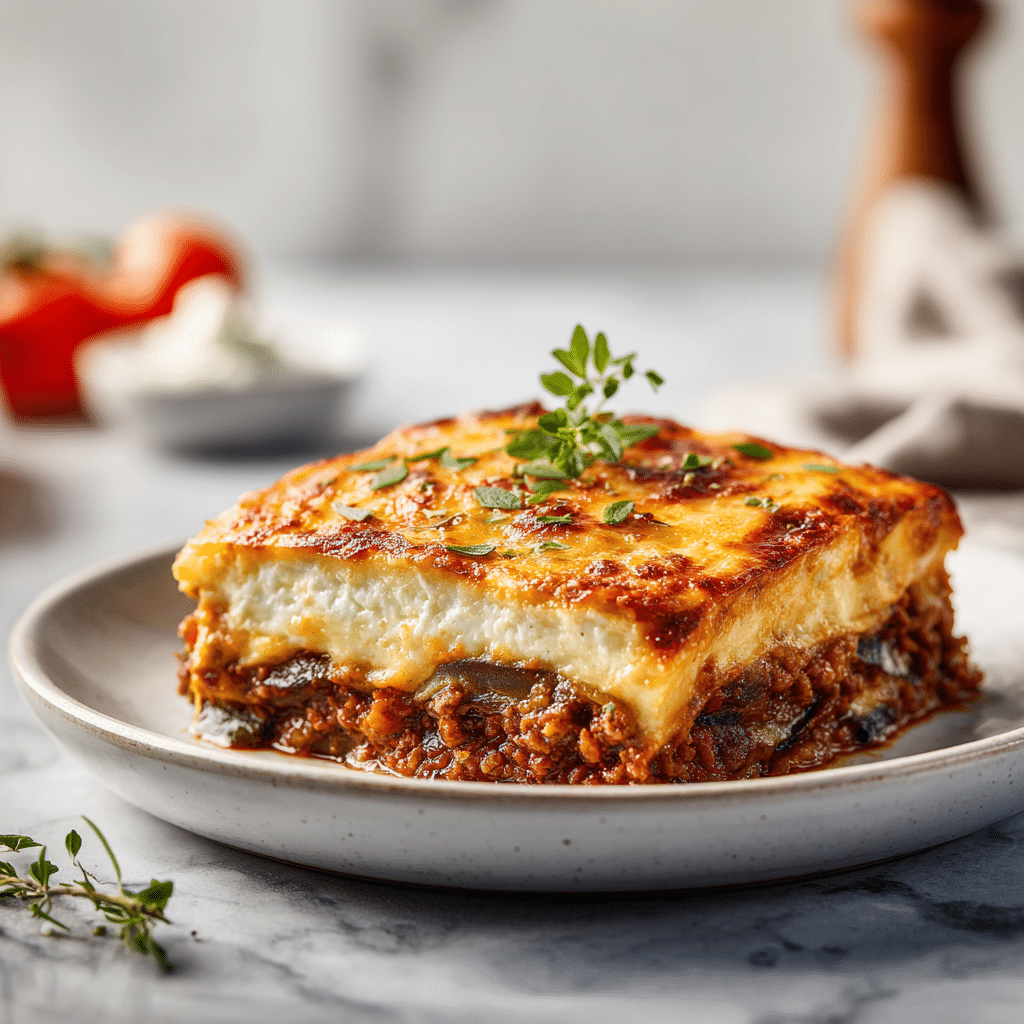
Outrageously delicious Greek moussaka is the ultimate Mediterranean comfort food consisting of layered vegetables and savory minced meat topped with a thick, velvety custard-like bechamel sauce. This traditional Greek moussaka captures the essence of Hellenic gastronomy through its intricate balance of cinnamon-scented beef, tender fried eggplants, and earthy potatoes. Unlike simpler casseroles, this dish requires a dedicated assembly process that results in a structurally sound and flavor-dense masterpiece. Every bite offers a texture-rich experience where the sweetness of the zucchini meets the salty kick of Kefalograviera cheese. By following professional techniques for draining vegetables and tempering the cream sauce, you can achieve a restaurant-quality result in your home kitchen. This recipe remains a staple for Sunday family gatherings and festive celebrations across the Greek islands because it delivers unparalleled satisfaction through high-quality ingredients and patient preparation methods.
Recipe Overview
| Prep Time | Cook Time | Total Time | Servings | Difficulty | Cuisine |
|---|---|---|---|---|---|
| 60 Minutes | 75 Minutes | 2 Hours 15 Minutes | 8-10 People | Intermediate | Greek |
Why This Recipe Works
This recipe succeeds because it prioritizes the structural integrity of the vegetable layers by utilizing a precise frying and draining technique. I have found through years of cooking mediterranean classics that the most common failure in moussaka is a watery base, which we avoid here by using paper towels and wire racks to strip away excess oil and moisture. The inclusion of shredded Kefalograviera cheese between every layer acts as a delicious adhesive that binds the potatoes and eggplants together during the baking process.
The aromatic profile of the meat sauce provides a complex foundation that sets this version apart from generic meat pies. By deglazing the pot with a non-alcoholic red grape juice or dealcoholized wine sub, we preserve the deep acidity required to cut through the richness of the beef and butter. My experience shows that the combination of cinnamon, nutmeg, and bay leaves creates that nostalgic Athenian aroma which permeates the entire house, signaling a meal made with care and heritage.
Ingredients
| Ingredient | Quantity | Notes with Alternatives |
|---|---|---|
| Olive Oil | 2 Cups + 2 tbsp | Use extra virgin; for frying and sautéing |
| Potatoes | 4 Large | Waxy varieties like Yukon Gold hold shape best |
| Eggplants | 4 Medium | Globe eggplants provide the best surface area |
| Zucchini | 4 Medium | Firm zucchini helps layers stay distinct |
| Beef Mince | 1 kg | Lean ground beef (10-15% fat) is ideal |
| Kefalograviera Cheese | 450 grams Total | Split between layers and bechamel; sub Pecorino |
| Milk | 1 Litre | Full cream milk for the creamiest bechamel |
| Red Wine Replacement | 1 Cup | Alcohol-free red wine or beef stock with vinegar |
| Crushed Tomatoes | 800 grams | Canned San Marzano or high-quality crushed |
Step-by-Step Instructions
Phase 1: Preparing the Vegetable Base
- Slice the potatoes, zucchini, and eggplants into circular disks approximately half a centimeter thick.
- Heat the olive oil in a pan over medium-high heat until shimmering.
- Fry the vegetable slices in batches until they are cooked and golden brown on both sides.
- Remove the fried vegetables and place them on paper towels to drain excess oil thoroughly.
- Spread out the vegetables on a wire rack if space permits to ensure maximum drainage and crispness.
Phase 2: Crafting the Savory Meat Sauce
- Sauté the chopped red onion and minced garlic in two tablespoons of olive oil over high heat.
- Add the beef mince to the pot and cook until browned, breaking it up with a wooden spoon.
- Pour in the red wine (alcohol-free) and simmer for three minutes until the liquid reduces.
- Stir in the crushed tomatoes, salt, pepper, cinnamon, nutmeg, sugar, thyme, oregano, and parsley.
- Simmer the mixture for ten minutes before removing the bay leaves and taking it off the heat.
Phase 3: Whisking the Creamy Bechamel
- Melt the unsalted butter in a saucepan over medium heat.
- Add the plain flour gradually while whisking to form a smooth, golden roux paste.
- Whisk in the milk slowly to prevent lumps, stirring until the texture becomes thick and creamy.
- Stir in the egg yolks, extra nutmeg, and 250g of shredded cheese until fully incorporated.
- Cook while stirring constantly until the sauce bubbles, then remove from heat immediately.
Phase 4: Assembly and Final Bake
- Preheat your oven to 165°C fan-forced to ensure even heat distribution.
- Arrange potatoes in the dish, followed by seasoning strings and a layer of cheese.
- Layer the eggplant and zucchini sequentially, adding cheese and seasoning between every vegetable tier.
- Spread the meat sauce evenly over the top of the final vegetable layer.
- Pour the bechamel sauce over the meat and smooth it out with a spatula.
- Bake for 40 minutes or until the top forms a dark golden-brown crust.
- Rest the dish for 30 minutes to allow the layers to set before slicing into squares.
Chef Tips for Perfect Results
- Salting the eggplant slices 20 minutes before frying helps draw out bitterness and reduces oil absorption during the cooking process.
- Pat the vegetables with extra paper towels even after they have sat on the wire rack to remove every possible drop of oil.
- Use room temperature milk when making the bechamel to ensure a smoother whisking process and to prevent the flour from clumping.
- Beat the egg yolks slightly before adding them to the bechamel to ensure they integrate seamlessly without creating cooked egg bits.
- Grating your own Kefalograviera or Pecorino cheese provides a better melt and superior flavor compared to pre-shredded varieties containing starch.
Common Mistakes to Avoid
- Slicing the vegetables too thin causes them to disintegrate during frying, which leads to a mushy and unappealing internal texture.
- Skipping the resting period after baking results in the moussaka collapsing into a pile of sauce rather than holding neat, distinct layers.
- Using cold milk in a hot roux often creates stubborn lumps that ruin the velvety mouthfeel of the traditional bechamel topping.
- Neglecting to drain the vegetables properly introduces too much oil into the casserole dish, making the final meal feel overly heavy.
Variations and Substitutions
| Ingredient | Substitution | Impact on Flavor |
|---|---|---|
| Beef Mince | Ground Lamb | Creates a more traditional, gamey, and rich flavor profile |
| Kefalograviera | Pecorino Romano | Maintains the salty, sharp kick with a slightly different aroma | Pomegranate Juice | Provides the necessary acidity and depth without using alcohol |
| Potatoes | Sweet Potatoes | Adds a distinct sweetness that contrasts with the salty cheese |
Serving Suggestions and Pairings
Outrageously delicious Greek moussaka is best served as a centerpiece for a Sunday family dinner or a festive holiday spread. Pair this hearty dish with a crisp Horiatiki (Greek salad) featuring vine-ripened tomatoes, cucumbers, and kalamata olives to provide a refreshing acidic contrast. Crusty sourdough bread is also an excellent accompaniment for wiping up any remaining meat sauce or bechamel left on the plate. For a complete Mediterranean experience, serve it alongside a side of roasted lemon potatoes or a simple plate of steamed wild greens drizzled with lemon juice.
Storage and Reheating
| Method | Duration | Instructions |
|---|---|---|
| Refrigerator | 3-4 Days | Store in an airtight container once completely cooled |
| Freezer | 2 Months | Wrap individual portions tightly in foil and plastic wrap |
| Reheating | 15-20 Mins | Heat in a 160°C oven covered with foil to maintain moisture |
Nutritional Information
| Nutrient | Amount per Serving (Approximate values) |
|---|---|
| Calories | 580 kcal |
| Protein | 32g |
| Fat | 38g |
| Carbohydrates | 28g |
| Fiber | 5g |
Conclusion
Crafting this outrageously delicious Greek moussaka requires a blend of patience, high-quality ingredients, and a commitment to traditional layering techniques. By taking the time to properly fry and drain the eggplants, zucchini, and potatoes, you ensure a dish that is rich without being greasy. The complex meat sauce, fortified with cinnamon and nutmeg, provides a warm depth that defines the authentic Greek profile. Topped with a golden, cheesy bechamel, this recipe represents the pinnacle of Mediterranean home cooking. We encourage you to embrace the process of building these layers, as the result is a culinary masterpiece that far exceeds the sum of its parts. This moussaka is more than just a meal; it is a labor of love that brings people together around the table. Whether you are hosting a large gathering or preparing a special treat for your family, the effort is justified the moment you cut into those perfectly set, aromatic layers. The combination of savory beef, creamy sauce, and tender vegetables ensures that every guest leaves the table feeling satisfied and impressed. We hope this guide empowers you to master this iconic recipe and share the signature flavor of Greece with your loved ones for years to come.
FAQ
Can I substitute the meat in this Greek moussaka recipe?
Ground lamb is the most common and traditional substitution for beef in this specific casserole dish. Using lamb will result in a richer, slightly more oily texture and a distinctively robust Mediterranean flavor profile. You must ensure the lamb is thoroughly browned to develop the proper depth of taste before adding the tomatoes.
How do I know when the moussaka is fully cooked?
The moussaka is ready when the bechamel topping has transformed into a consistent deep golden-brown color and the sides are bubbling. You should also be able to insert a knife through the center and feel no resistance from the potato or eggplant layers. Most ovens reach this state within 40 minutes at the specified temperature.
Why did my Greek moussaka turn out watery?
Watery moussaka usually occurs because the eggplants and zucchini were not sufficiently drained after frying or roasting. To prevent this, always let your fried vegetables sit on paper towels for at least 15 minutes to absorb all excess moisture and oil. Additionally, ensure your meat sauce has simmered long enough for the liquid to thicken into a jam-like consistency.
Can I make moussaka ahead of time for a party?
Moussaka is an ideal dish to prepare a full day in advance because the flavors intensify as they sit. You can assemble the entire dish and keep it refrigerated overnight before baking it fresh the following day. Alternatively, bake it fully and simply reheat it in the oven, which often makes it easier to cut into perfect, clean squares.
What is the best way to serve moussaka to guests?
You must allow the moussaka to rest at room temperature for a minimum of 30 minutes before attempting to slice it. Serving it immediately after it leaves the oven will result in the layers sliding apart rather than maintaining their beautiful structure. Slicing with a sharp, serrated knife ensures the bechamel crust stays intact while you portion the squares.
Print
Outrageously Delicious Greek Moussaka Recipe
- Total Time: 135
- Yield: 8-10 servings 1x
- Diet: Omnivore (halal)
Description
A rich, layered Greek classic with caramelized vegetables, aromatic beef, and silky bechamel. Perfect for family gatherings, this halal-friendly version delivers Mediterranean comfort with every bite.
Ingredients
2 cups + 2 tbsp olive oil
4 large potatoes, thinly sliced
4 medium eggplants, sliced
1 lb ground beef (ensure halal)
1 large onion, chopped
3 garlic cloves, minced
2 cups tomato paste
1 tbsp cinnamon
1 tbsp nutmeg
2 bay leaves
1.5 lbs Kefalograviera cheese, grated (or Parmesan/Gruyère)
4 cups whole milk
1 cup flour
1 cup butter (halal-certified)
Salt and pepper to taste
Instructions
Heat 2 cups olive oil in a large skillet for frying. Fry potato slices in batches until golden, drain on paper towels.
Repeat with eggplant slices, using 2 tbsp oil remaining.
Coat a 13×9 inch baking dish with oil. Layer half the potatoes, salt lightly, then overlapping eggplant.
In a large pot, cook beef, onion, and garlic in oil until browned. Add tomato paste and spices. Simmer until thick.
Deglaze with 2 cups non-alcoholic red grape juice (or water) to maintain acidity.
For bechamel: Whisk milk and flour over medium heat. Add butter, whisk until thickened. Season.
Layer remaining vegetables, add beef mixture, top with remaining potatoes. Sprinkle cheese halfway up the dish.
Pour bechamel over the top, smooth with a spatula. Bake at 375°F (190°C) for 60-70 minutes until golden.
Notes
Use a wire rack when draining vegetables to prevent sogginess
Let rest 20-30 minutes before slicing for cleaner cuts
Substitute non-dairy milk for vegan-friendly bechamel
- Prep Time: 60
- Cook Time: 75
- Category: Easy Pasta Recipes for Quick Family Dinners
- Method: Baking
- Cuisine: Greek
Nutrition
- Serving Size: 1 slice
- Calories: 650
- Sugar: 5g
- Sodium: 1200mg
- Fat: 34g
- Saturated Fat: 20g
- Carbohydrates: 45g
- Fiber: 6g
- Protein: 30g
- Cholesterol: 100mg