
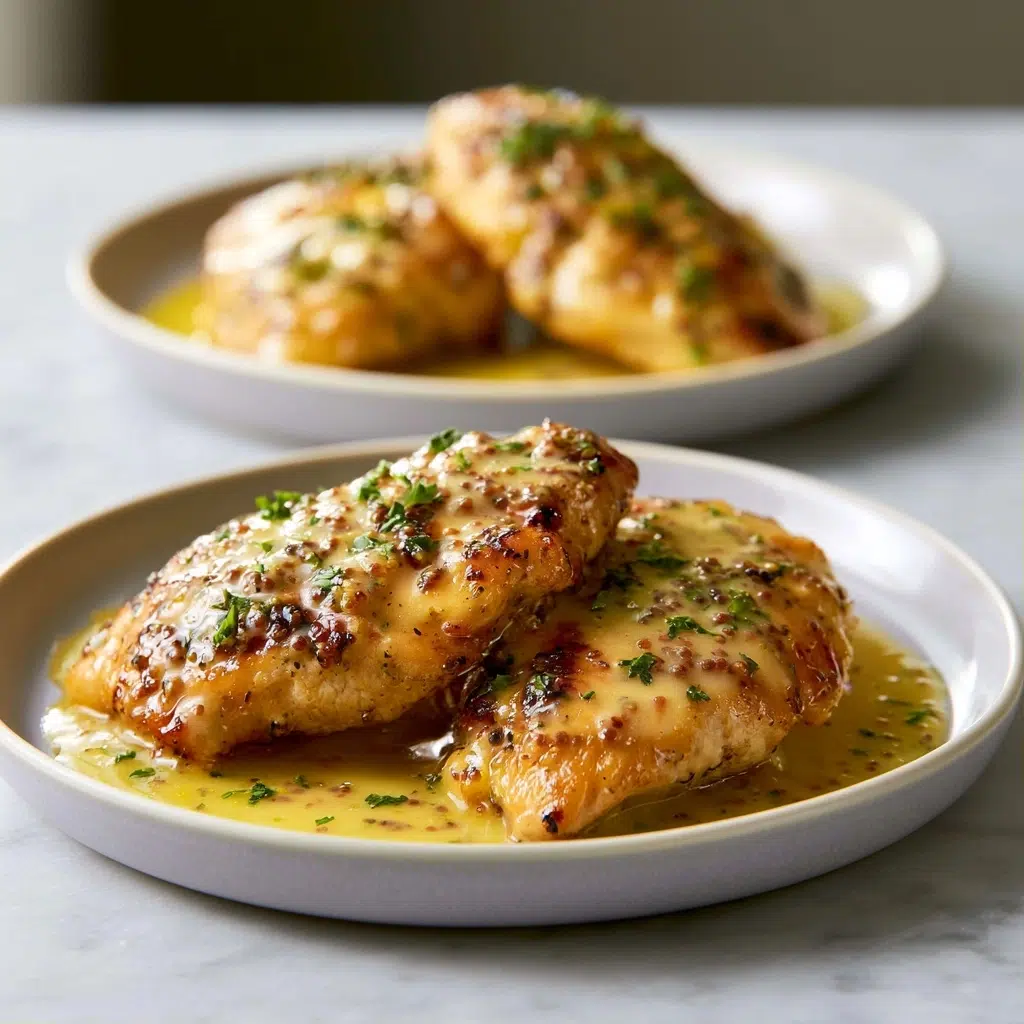
Chicken Breasts with Lemon Mustard Sauce is a high-protein main dish featuring pan-seared poultry smothered in a tangy, savory glaze made from citrus, Dijon, and aromatics. This recipe provides a sophisticated yet accessible solution for busy families or fitness enthusiasts who need a reliable dinner that delivers intense flavor without heavy creams or complicated techniques. Busy home cooks choose this dish for its 20-minute execution time and the way the mustard acts as a natural emulsifier, creating a velvety coating that clings to every bite. You will experience a bright, zesty aroma paired with a tender, juicy texture that elevates the standard chicken dinner into something truly memorable. Utilizing basic pantry staples, this preparation ensures a consistent outcome that balances the acidity of lemon with the deep warmth of roasted garlic to transform simple protein into a culinary centerpiece.
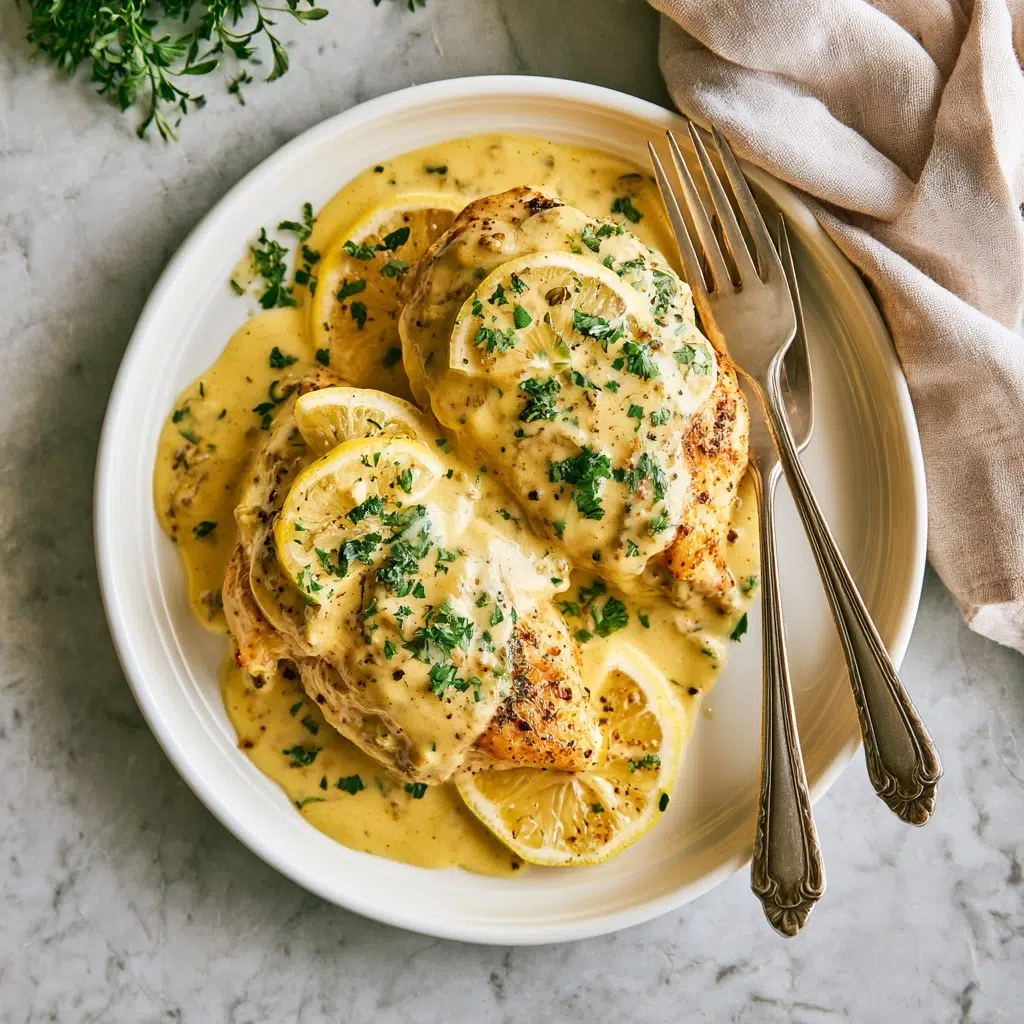
What Is Chicken Breasts with Lemon Mustard Sauce?
Chicken Breasts with Lemon Mustard Sauce is a contemporary pan-seared dish defined by its light, piquant sauce and crosshatch scoring technique. This preparation combines the lean profile of skinless, boneless chicken with a bright lemon-mustard reduction, falling into the category of modern healthy bistros. Unlike traditional French chicken piccata, which relies on butter and capers, this version utilizes starch-thickened chicken broth and Dijon mustard for a dairy-free, high-flavor profile. The dish focuses on building layers of flavor in a single skillet, starting with the caramelization of the meat and finishing with a rapid reduction of aromatics and citrus juice. It is a favorite among clean-eating advocates and those following restricted diets because it mimics the richness of a cream sauce through clever emulsification of mustard and starch.
| Prep Time | 5 minutes |
| Cook Time | 15 minutes |
| Total Time | 20 minutes |
| Servings | 3 |
| Difficulty Level | Easy |
| Cuisine | American/Healthy |
| Calories per Serving | 285 kcal |
Why You’ll Love This Recipe
- Time-Saving Efficiency: This foolproof meal goes from your refrigerator to the dining table in under twenty minutes, making it an ideal choice for chaotic weeknights.
- Effortless Cleanup: The entire cooking process occurs in one large skillet, minimizing the post-dinner chore of washing multiple pots and pans.
- Crowd-Pleasing Profile: The balance of tanginess and savory herbs appeals to both children and adults, ensuring no leftover waste.
- Beginner-Friendly Technique: The scoring method makes it easy to monitor doneness while ensuring the sauce penetrates deep into the meat for maximum moisture.
- Versatile Pairing: This chicken serves as a neutral yet flavorful base that complements everything from roasted potatoes to fresh garden salads.
Home cooks appreciate this recipe because it relies on standard ingredients that are likely already in the pantry. The combination of avocado oil and garlic creates a robust foundation that supports the sharp notes of the Dijon mustard, providing a restaurant-quality experience without the need for advanced culinary training. This dish delivers a healthy, satisfying punch that feels indulgent despite its clean ingredient list.
Why This Recipe Works
My experience with this dish began during a period when I needed to reduce dairy intake without sacrificing the creamy mouthfeel of my favorite sauces. I discovered that by scoring the meat and using a starch slurry, I could achieve a thick, decadent coating that felt much heavier than its actual caloric content. This specific technique prevents the common problem of dry, flavorless chicken breasts by increasing the surface area exposed to both high heat and the acidic marinade.
The success of the recipe lies in the science of emulsification and the Maillard reaction. By searing the chicken at a medium-high temperature in avocado oil, you create a complex crust of sugars and proteins that provides the “fond”—the golden bits on the bottom of the pan—which forms the base of the lemon mustard sauce. Dijon mustard contains mucilage, a natural stabilizer that helps bind the chicken broth and lemon juice together, preventing the sauce from separating or becoming watery.
Finally, the addition of an arrowroot or cornstarch slurry at the very end provides the sensory payoff of a glossy finish. This visual appeal is matched by a texture that is silky on the tongue and tender to the teeth. The scoring allows the lemon and Italian seasonings to migrate into the interior of the breast, ensuring that every forkful is seasoned from the outside in, rather than just on the surface.
Pro Tips Before You Start
- Dry the Protein: Always pat the chicken completely dry with paper towels to ensure a crisp sear rather than a steamed texture.
- Mise en Place: Whisk your mustard, broth, and lemon juice together before turning on the heat to prevent the garlic from burning while you measure.
- Knife Precision: When scoring the crosshatch pattern, use a sharp chef’s knife and apply light pressure; cutting too deep will cause the breast to fall apart during flipping.
- Oil Selection: Use avocado oil or another high-smoke-point oil to avoid the bitter taste associated with burnt fats at medium-high temperatures.
Ingredients
Here’s everything you’ll need to make Chicken Breasts with Lemon Mustard Sauce. These simple components work in harmony to produce a sophisticated profile suitable for any occasion.
| Ingredient | Quantity | Notes/Alternatives |
|---|---|---|
| Chicken Breasts | 3 pieces (approx 680g) | Skinless, boneless, even thickness |
| Chicken Broth | 1 cup (240ml) | Low-sodium preferred or chicken stock |
| Garlic Cloves | 5 cloves | Freshly peeled and left whole or smashed |
| Lemon Juice | 1 tablespoon (15ml) | Freshly squeezed for best acidity |
| Italian Seasoning | 1 tablespoon (5g) | Contains oregano, basil, rosemary, thyme |
| Dijon Mustard | 1 tablespoon (15g) | Adds tang and acts as an emulsifier |
| Arrowroot Starch | 1 tablespoon (8g) | Cornstarch or all-purpose flour works too |
| Avocado Oil | 2 tablespoons (30ml) | High smoke point oil |
| Water | 1 tablespoon (15ml) | Cold water for the slurry |
| Salt | To taste | Sea salt or kosher salt |
| Black Pepper | To taste | Freshly cracked for maximum aroma |
Best Ingredients for Chicken Breasts with Lemon Mustard Sauce
Quality matters significantly when working with a short ingredient list. For the chicken, sourcing air-chilled breasts results in less water release during cooking, which allows for a faster, deeper golden crust. If you use standard liquid-chilled poultry, you may need to cook it slightly longer to evaporate the excess moisture before the browning begins. Freshly squeezed lemon juice is non-negotiable, as bottled versions often contain preservatives that impart a metallic aftertaste to the delicate pan sauce.
The choice of mustard also defines the final flavor profile. Dijon mustard is traditional for its smooth texture and sharp, vinegary kick. If you substitute with yellow mustard, the dish will become overly acidic and lose its depth; however, a whole-grain mustard can add a pleasant rustic texture. For the thickening agent, arrowroot starch is ideal because it remains clear and glossy even when chilled, unlike flour which can make the sauce look opaque and pasty. Using a high-quality chicken bone broth will add more collagen and body to the sauce compared to water and bouillon.
Step-by-Step Instructions
Step 1: Prepare the Chicken
- Pat dry the skinless, boneless chicken breasts thoroughly using a clean paper towel to remove all surface moisture.
- Place the chicken on a stable cutting board and score each piece with a sharp knife to create a crosshatch pattern.
- Make two long diagonal cuts across the top of each breast, followed by five perpendicular cuts to create small diamonds. (Be careful not to cut more than halfway through the meat.)
- Season both sides of the chicken generously with sea salt and freshly cracked black pepper.
Step 2: Sear and Flavor
- Heat two tablespoons of avocado oil in a large 12-inch skillet over medium-high heat until the oil shimmers.
- Place the chicken breasts and five whole garlic cloves into the hot oil carefully.
- Sear the chicken for 5-6 minutes on the first side without moving the meat to develop a deep golden-brown crust.
- Flip the chicken pieces and the garlic cloves, continuing to cook for another 5 minutes on the second side.
Step 3: Build the Pan Sauce
- Pour one cup of chicken broth into the skillet, using a wooden spoon to scrape up any browned bits from the bottom.
- Stir in one tablespoon of Italian seasoning, one tablespoon of Dijon mustard, and one tablespoon of fresh lemon juice.
- Simmer the mixture for 2-3 minutes, allowing the flavors to meld and the liquid to reduce slightly.
- Check the internal temperature of the thickest part of the chicken using an instant-read thermometer.
- Remove the chicken once it reaches 165°F (74°C) to prevent overcooking and toughening of the protein.
Step 4: Thicken and Serve
- Whisk one tablespoon of arrowroot starch with one tablespoon of cold water in a small ramekin until smooth.
- Push the chicken pieces to the outer edges of the pan to clear a space in the center of the bubbling sauce.
- Pour the starch slurry slowly into the liquid while stirring constantly with a whisk or spoon.
- Cook for 60-90 seconds until the sauce transforms from watery to a thick, glossy glaze that coats the back of a spoon.
- Drizzle the thickened lemon-mustard sauce over the chicken breasts and serve immediately while the temperature is at its peak.
Chef Tips for Perfect Results
- Internal Temperature: Use a digital meat thermometer and pull the chicken at 160°F (71°C); the carryover cooking while you thicken the sauce will bring it to the safe 165°F (74°C) without drying it out.
- Garlic Management: If the garlic cloves begin to turn dark brown before the chicken is flipped, move them on top of the chicken pieces to stop the browning and prevent bitterness.
- Resting Time: Let the chicken rest for 3 minutes before slicing to allow the juices to redistribute throughout the muscle fibers.
- Pan Choice: Use stainless steel or cast iron for the best sear; non-stick pans often fail to produce the necessary browned bits (fond) for a flavorful sauce.
- Herb Adjustment: Rub the Italian seasoning between your palms before adding it to the pan to release the dried volatile oils.
Common Mistakes to Avoid
- Overcrowding the Skillet | Results in gray, steamed chicken | Moisture cannot evaporate quickly enough when pieces are touching | Use a large skillet or cook in two batches to maintain high heat.
- Adding Starch Directly | Results in small, gummy lumps in the sauce | Starch requires cold water to separate granules before entering a hot liquid | Always create a separate slurry before adding it to the simmering broth.
- Cutting Too Deep | Results in the chicken breaking apart | Scoring too deeply severs the structural fibers of the breast | Aim for a depth of roughly 1/4 inch to maintain the integrity of the piece.
- Boiling the Lemon Juice Too Long | Results in a loss of bright citrus flavor | High heat for extended periods destroys the delicate citric acids | Add lemon juice at the end of the simmering phase to preserve its punch.
How to Make This Recipe Healthier
To reduce the overall caloric density of this dish, you can swap the avocado oil for a high-quality oil spray, which typically reduces the fat content by 14g per tablespoon. Another modification involves the thickening agent; replacing the starch slurry with a reduction method—where you simmer the broth for 10 minutes instead of 2—will remove the added carbohydrates while intensifying the natural flavors. This will result in a thinner sauce but a more concentrated taste profile.
Chicken Broth → Vegetable Broth: Reduces sodium and adds a slight sweetness without changing the texture. Italian Seasoning → Fresh Herbs: Replacing dried herbs with fresh parsley and thyme increases the antioxidant content and provides a more vibrant green aesthetic, though it requires more preparation time. Lowering the salt and increasing the black pepper can also improve the cardiovascular profile of the meal without sacrificing the satisfaction of a well-seasoned dish.
Variations and Substitutions
This recipe is highly adaptable to different dietary needs and flavor preferences. If you prefer a spicier profile, adding half a teaspoon of red pepper flakes to the oil during the searing phase will infuse the entire dish with a gentle heat that cuts through the creamy mustard.
| Ingredient | Substitution | Impact on Flavor | Impact on Texture |
|---|
Can You Make This Ahead?
Yes, you can prepare this chicken up to 48 hours in advance. For the best results, follow the instructions through step 3 but do not add the starch slurry until you are ready to serve. Store the cooked chicken and the liquid separately in airtight containers. When ready to eat, heat the chicken and liquid together in a pan over medium heat; once simmering, add the fresh starch slurry to thicken. This ensures the sauce doesn’t become overly gelatinous in the refrigerator, maintaining the silky texture of a freshly made meal.
Serving Suggestions and Pairings
To balance the acidity of the lemon mustard sauce, serve this chicken over a bed of fluffy quinoa or mashed cauliflower. These bases act as a sponge for the extra sauce, ensuring no flavor is left behind. For a more traditional pairing, roasted asparagus spears or steamed green beans provide a crisp, vibrant contrast to the golden chicken. If you are serving this for a special occasion, a garnish of fresh lemon slices and a sprinkle of chopped parsley will provide a professional, finished look.
In terms of beverage pairings, a crisp sparkling water with a twist of lime or a chilled herbal iced tea works beautifully to cleanse the palate between bites. The sharp notes of the Dijon also pair well with non-alcoholic apple cider, which provides a sweet counterpoint to the savory garlic and herbs. This dish is equally appropriate for a post-workout lunch or a relaxed Sunday dinner with the family.
Best Occasions to Serve This Recipe
The versatility of Chicken Breasts with Lemon Mustard Sauce makes it a staple for various scenarios. It is the consummate “emergency” meal for weeknights when the pantry is low but you still want a high-quality dinner. Its clean presentation also makes it an excellent choice for a healthy date night or a casual dinner party where guests might have dietary restrictions like dairy-free or gluten-free requirements. Additionally, because it reheats well, it is a superior option for Sunday meal prep, providing a reliable protein source for work lunches throughout the week.
Storage and Reheating
Maintaining the quality of leftovers requires proper cooling and airtight containment to prevent the chicken from absorbing refrigerator odors or drying out.
| Method | Duration | Instructions |
|---|---|---|
| Refrigerator | 3-4 Days | Store in airtight glass or plastic container. |
| Freezer | 2 Months | Wrap in foil, then place in a freezer-safe bag. |
| Stovetop Reheat | 5-8 Minutes | Add 2 tbsp broth, cover skillet, heat on low. |
| Oven Reheat | 10-12 Minutes | 350°F (175°C) in a covered dish with sauce. |
| Microwave | 2 Minutes | Cover with damp paper towel to retain moisture. |
Nutritional Information
Approximate nutritional values per serving:
| Nutrient | Amount per Serving |
| Calories | 285 kcal |
| Protein | 34g |
| Fat | 12g |
| Carbohydrates | 6g |
| Fiber | 1g |
| Sugar | 1g |
| Sodium | 480mg |
*Approximate values based on standard ingredients. Actual nutrition varies by brand and substitutions. This information is not a substitute for professional nutritional advice.
Conclusion
Chicken Breasts with Lemon Mustard Sauce wins because it masterfully combines simplicity with sophisticated flavor. The ease of the one-pan cleanup and the speed of the 20-minute cook time make it a practical choice, while the bright acidity and savory garlic deliver a result that rivals restaurant quality. You’ll find that the scoring technique and the starch-thickened sauce provide a versatile template that you can customize with various herbs or sides to suit any mood or season.
This recipe reinforces the fact that healthy eating does not have to be bland or time-consuming. By focusing on high-impact ingredients like fresh lemon and Dijon mustard, you create a deep flavor profile that satisfies the palate without the need for heavy fats. The result is a light yet filling meal that leaves you feeling energized rather than weighed down, making it a recurring favorite in any modern kitchen rotation.
Try this recipe tonight and discover how a few clever pantry staples can transform standard poultry into a highlight of your culinary week. Save this guide for your next meal prep session or share it with friends who need a reliable, healthy dinner solution. This preparation delivers on its promise of juicy, tender chicken every single time.
FAQ
Can I substitute chicken breasts with thighs?
You can use boneless, skinless chicken thighs for a more succulent result. Thighs contain more fat and connective tissue, so you should increase the cooking time by 2-3 minutes per side to ensure they reach the safe internal temperature. The lemon mustard sauce will pair excellently with the richer flavor of the dark meat.
How do I know when the chicken is done cooking?
The only certain way to determine doneness is by using an instant-read meat thermometer to check for an internal temperature of 165°F (74°C). Visually, the juices should run clear, and the meat should be opaque all the way through the center. Avoid slicing into the meat while it is in the pan, as this will cause the essential moisture to escape.
What should I do if my sauce is too thin?
If the sauce appears watery, mix an additional teaspoon of starch with cold water and stir it into the simmering liquid. Allow it to cook for at least one minute to activate the thickening properties of the starch. Alternatively, you can remove the chicken and simmer the sauce on high for 3-4 minutes to reduce the volume for a more concentrated consistency.
Can I make the lemon mustard sauce without starch?
You can create a delicious sauce without starch by simply reducing the chicken broth by half over high heat. While the result will be a thin jus rather than a thick glaze, the flavor will be intense and flavorful. Another option is to whisk in a tablespoon of cold butter at the very end to create a rich, traditional French-style pan sauce.
Print
Quick Chicken Breasts with Lemon Mustard Sauce
- Total Time: 20
- Yield: 3 servings
- Diet: High-Protein/Low-Fat
Description
A 20-minute main course featuring tender, pan-seared chicken breasts smothered in a zesty, dairy-free lemon mustard sauce. This high-protein, single-skillet recipe combines citrus, Dijon mustard, and roasted garlic for a healthy, crowd-pleasing weeknight meals perfect for families and fitness enthusiasts.
Ingredients
3 skinless, boneless chicken breasts
1 1/2 tsp salt
1 tsp black pepper
1 1/2 tbsp olive oil
2 tbsp Dijon mustard
2 tbsp all-purpose flour (serving as a thickener)
1 cup low-sodium chicken broth
2 tbsp fresh lemon juice
2 garlic cloves, minced
1 tbsp chopped fresh herbs (dill, parsley, or thyme)
1/4 cup sliced scallions or lemon zest for garnish
Instructions
Preheat oven to 400°F (200°C)
Pat chicken breasts dry, season with salt and pepper, and score in visible crosshatch patterns with a sharp knife
Heat olive oil in a large skillet over medium-high heat until shimmering
Sauté chicken for 4-5 minutes per side until golden-brown and cooked through
Remove chicken from skillet and place in oven to rest while finishing the sauce
In the same skillet, deglaze with chicken broth and lemon juice, scraping up browned bits
Whisk in Dijon mustard and flour, reducing throuhout
Stir in minced garlic and herbs, simmer 2-3 minutes until thickened
Slice chicken and drizzle with sauce, garnish with scallions or lemon zest
Notes
Use a meat thermometer to ensure chicken reaches 165°F (74°C)
Thicken sauce with cornstarch instead of flour for a gluten-free version
Add frozen peas to sauce in final 2 minutes for extra texture
Chicken can be marinated in mustard and lemon juice for enhanced flavor
Store leftovers in an airtight container with sauce and chicken separated
- Prep Time: 5
- Cook Time: 15
- Category: Meals
- Method: Sautéing/Reduction
- Cuisine: American/Clean Eating