
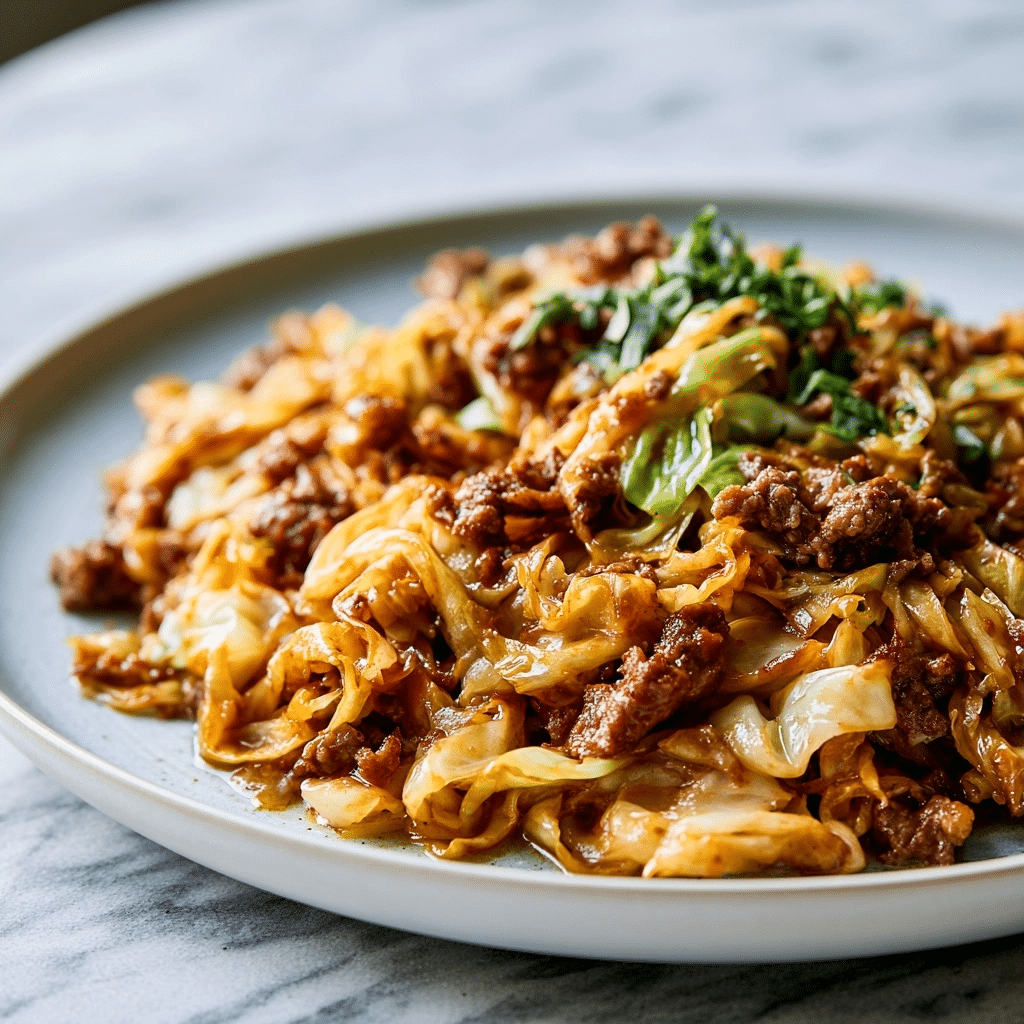
Mongolian Cabbage with Ground Beef serves as a hearty and simple weeknight dinner that combines savory protein with fresh, crisp vegetables. This dish provides a satisfying crunch from the cabbage paired with the rich, umami notes of lean meat, making it a popular choice for families seeking quick yet nutritious meals. The preparation relies on high-heat sautéing to ensure textures remain vibrant while flavor profiles deepen harmoniously. By incorporating aromatics like fresh ginger and garlic, this meal delivers complex tasting notes that rival takeout without the added processing or preservatives. Enjoy this balanced dish for a reliable dinner option that fuels your body with high-quality protein and essential dietary fiber.
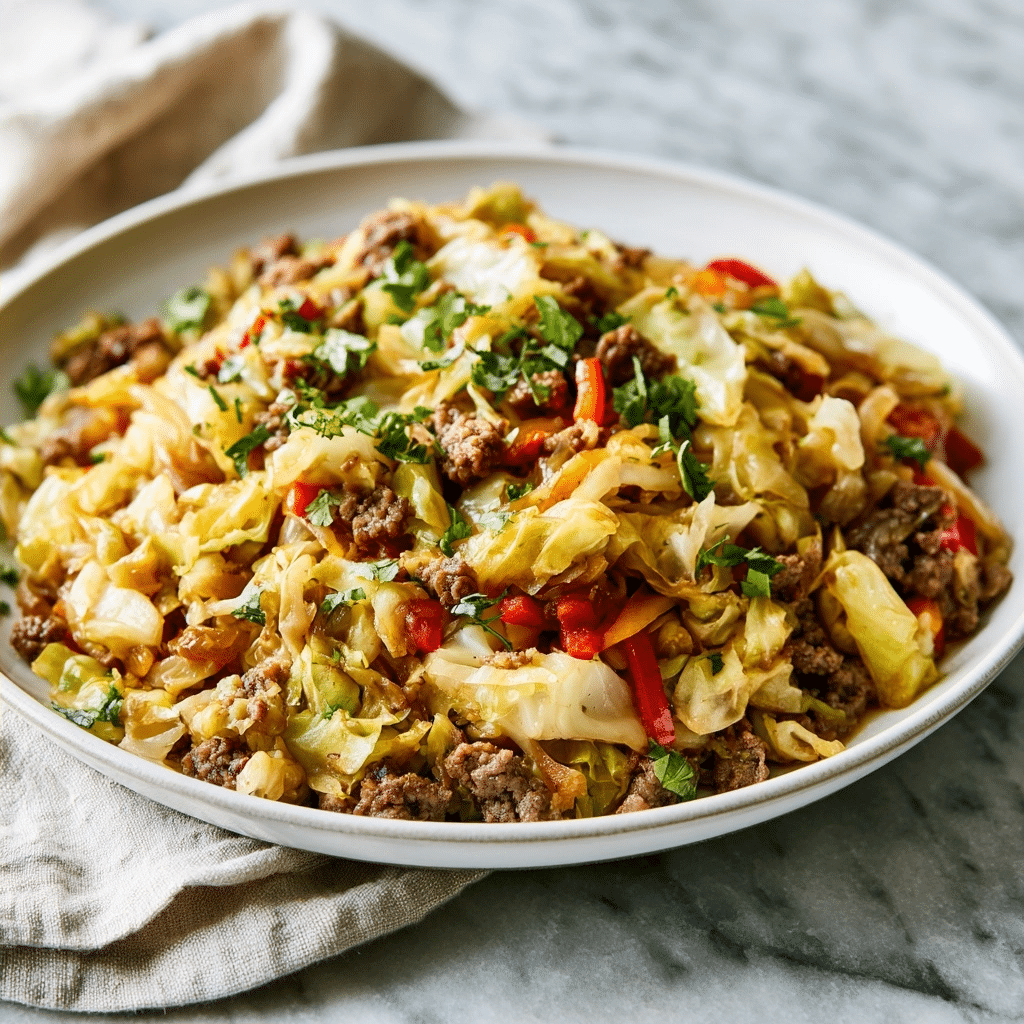
What Is Mongolian Cabbage with Ground Beef?
Mongolian Cabbage with Ground Beef is a savory stir-fry dish featuring finely shredded cabbage and browned ground beef seasoned with traditional East Asian aromatics. Drawing inspiration from classic stir-fry techniques, the dish emphasizes a fast cooking process that keeps ingredients crisp and flavorful. Unlike traditional Mongolian beef which uses sliced steak, this version uses ground meat to ensure consistent texture and quicker preparation times for busy schedules. It functions as a complete meal when served alongside rice or enjoyed on its own as a lighter, low-carbohydrate alternative to heavier pasta or rice-based entrées.
| Prep Time | 15 minutes |
| Cook Time | 15 minutes |
| Total Time | 30 minutes |
| Servings | 4 |
| Difficulty Level | Easy |
| Cuisine | Asian-Inspired |
| Calories per Serving | 320 |
Why You’ll Love This Recipe
- Effortless Preparation: This recipe requires basic kitchen tools and minimal clean-up, making it ideal for busy weeknights.
- Foolproof Technique: The stir-fry method remains forgiving even for beginner cooks, ensuring a successful outcome every time.
- Crowd-Pleasing Familiarity: The balance of soy, ginger, and garlic appeals to diverse palates while remaining comforting and recognizable.
- Time-Saving Nature: Using ground beef significantly reduces cooking time, allowing you to go from kitchen prep to dinner in under thirty minutes.
The primary appeal of this dish lies in its versatility and nutritional density. Whether you need an effective method to use up extra produce or a speedy solution for meal prep, this recipe delivers consistency and flavor. Its simple structure allows you to adapt the seasonings to match your specific taste preferences with ease.
Why This Recipe Works
This recipe succeeds because it prioritizes the structural integrity of the cabbage while ensuring the beef achieves deep, savory caramelization. In my years of kitchen testing, I have found that starting with a very hot skillet is essential for browning the beef to create a rich fond, which later deglazes with the liquids to form a concentrated sauce.
Technically, the recipe relies on balancing the moisture release from the cabbage with the high-heat searing capacity of the ground beef. By adding the cabbage gradually, you maintain maximum surface contact with the pan, preventing the vegetables from steaming and turning mushy. The order of operations—searing the meat first, followed by aromatics, then veggies—ensures that every layer builds upon the flavor foundation established during the initial browning phase.
Sensory-wise, the dish creates a distinct contrast between the tender, savory beef and the slight snap of the cabbage. The sesame oil added at the end provides a fragrant top note that grounds the saltiness of the soy sauce, while the fresh ginger cuts through the richness of the ground meat. This scientific approach to layering textures and flavors guarantees a cohesive eating experience where no single element overwhelms the palate.
Pro Tips Before You Start
Mise en place: Chop your onions, mince the garlic, and shred your cabbage before turning on the stove to avoid burned aromatics. Dry the beef: Ensure the ground beef is at room temperature and dry for a better sear in the pan. Preheat the pan: Allow your skillet to reach medium-high heat before adding oil to ensure immediate browning. Control the moisture: Keep your cabbage cuts consistent in size for uniform cooking throughout the process.
Ingredients
Here’s everything you’ll need to make Mongolian Cabbage with Ground Beef:
| Ingredient | Quantity | Notes/Alternatives |
| Ground Beef | 1 lb (450g) | Use 85/15 fat ratio |
| Cabbage | 1 med head | Shredded thinly |
| Onion | 1 medium | Chopped finely |
| Garlic | 3 cloves | Minced |
| Soy Sauce | 1 tbsp | Low-sodium preferred |
| Oyster Sauce* | 1 tbsp | Omit for gluten-free |
| Sesame Oil | 2 tsp | Add at finish |
| Fresh Ginger | 1 tsp | Grated finely |
| Black Pepper | 1/2 tsp | Freshly ground |
| Salt | To taste | Sea salt recommended |
| Green Onions | 2 stalks | For garnish |
| Sesame Seeds* | 1 tsp | Toasted for crunch |
Best Ingredients for Mongolian Cabbage with Ground Beef
Quality matters significantly when working with a short list of ingredients. Selecting a ground beef with moderate fat content ensures the meat stays juicy, while lean beef might turn dry under high heat. Opting for fresh ginger rather than powdered versions transforms the flavor profile, providing a bright, spicy baseline that characterizes this dish. High-quality toasted sesame oil adds a nutty aroma that cannot be replicated by standard cooking oils. If you choose an oyster sauce, try to find one with a short ingredient list to ensure you receive a pure, concentrated flavor that enhances the overall salinity rather than masking the primary components.
Step-by-Step Instructions
Phase 1: Prepare the Aromatics
- Shred the cabbage into thin strips roughly 1/4 inch wide to ensure even heat penetration.
- Chop the onion into uniform, bite-sized pieces and mince the garlic clove into a fine paste.
- Grate the fresh ginger finely to extract maximum juice and flavor without large, woody pieces.
Phase 2: Brown the Protein
- Heat a 12-inch heavy-bottomed skillet over medium-high heat (375°F or 190°C) for 2 minutes.
- Add the ground beef to the hot skillet, breaking it apart with a wooden spatula while cooking.
- Sauté the meat for 5-7 minutes until completely browned and sizzling, draining excess fat if necessary.
Phase 3: Combine and Simmer
- Stir in the chopped onion, minced garlic, and grated ginger, cooking for 2-3 minutes until fragrant.
- Add half the shredded cabbage, tossing to combine, then add the remaining cabbage to the skillet.
- Pour the soy sauce and oyster sauce over the mixture, maintaining a consistent stir for even coating.
- Sprinkle the black pepper and salt across the surface, ensuring thorough distribution throughout the vegetable mix.
- Cook for 5-7 minutes, stirring occasionally, until the cabbage waltzes into a tender, bright, and translucent state.
- Remove the skillet from the heat source immediately to prevent the cabbage from softening beyond preference.
- Drizzle the sesame oil over the hot dish, tossing one final time to distribute the fragrance.
- Garnish with chopped green onions and sesame seeds, then transfer to a serving bowl for immediate consumption.
Chef Tips for Perfect Results
- Sizzling Check: Listen for a consistent sizzle during the final cooking phase, indicating the water is evaporating as desired.
- Doneness Test: Taste a piece of cabbage at the 5-minute mark to ensure it maintains a slight toothsome bite.
- Heat Control: Adjust the heat down if you notice the soy sauce burning on the bottom of the pan.
- Resting: Let the dish rest for 2 minutes before serving to allow the sesame oil to permeate the cabbage.
- Seasoning: Add salt in smaller increments at the end, as the soy and oyster sauces contribute significant salinity.
Common Mistakes to Avoid
- Overcrowding the Pan: Leads to steamed rather than sautéed cabbage. Cook in batches if your skillet is too small for the volume of cabbage.
- Adding Cold Ingredients: Causes the pan temperature to drop, preventing proper browning. Bring all prepared ingredients to room temperature before starting your cook.
- Burning the Garlic: Results in a bitter, astringent taste that ruins the dish. Add the garlic and ginger only after the onions have softened, ensuring they cook for the minimum required time.
- Using Dried Spices: Lacks the vibrant complexity of fresh ginger. Replace ground ginger with fresh whenever possible for superior flavor development.
How to Make This Recipe Healthier
Adjusting the recipe for health goals often involves managing sodium and fat levels. Using low-sodium soy sauce reduces the salt content by nearly 40% without sacrificing depth of flavor. Substituting oyster sauce with a small amount of liquid aminos creates a gluten-free and lower-sugar profile, though it may alter the final color slightly. Adding extra vegetables like shredded carrots or bok choy increases the fiber and vitamin density while maintaining the structure of the stir-fry. Finally, using a leaner 90/10 beef reduces total saturated fat, though you may need a small splash of avocado oil to maintain the necessary lubrication during the browning process.
Variations and Substitutions
This recipe provides a flexible template for various dietary needs and flavor preferences. You can easily modify the protein, vegetable base, or spice level to match your preferences or fridge inventory.
| Ingredient | Substitution | Impact on Flavor | Impact on Texture |
| Ground Beef | Ground Turkey | Milder, lighter | Drier consistency |
| Cabbage | Bok Choy | More herbaceous | Softer stems |
| Soy Sauce | Coconut Aminos | Sweeter, less salty | Similar |
| Sesame Seeds | Crushed Peanuts | Nutty, earthy | Adds crunch |
Can You Make This Ahead?
Yes, this recipe works exceptionally well when prepared ahead of time. You can fully prep the vegetables and aromatics up to twenty-four hours in advance and store them in airtight containers. If you wish to cook the entire dish, store the cooled stir-fry in an airtight container in the refrigerator for up to three days. When reheating, do so on the stovetop over medium heat with a splash of water, which helps restore the moisture to the cabbage and prevents the beef from drying out too much.
Serving Suggestions and Pairings
Serve this dish warm over a bed of fluffy jasmine rice or steamed quinoa to soak up the savory juices. For a refreshing contrast, pair it with a crisp cucumber salad topped with rice vinegar and chili flakes. A chilled Riesling or a sparkling water with lime serves as an excellent beverage pairing, balancing the savory umami notes of the beef. If preparing for a dinner party, plate individual portions in wide, shallow bowls and accentuate with long, thin strips of green onions for a restaurant-quality aesthetic. This presentation ensures every bite includes a perfect ratio of beef to tender cabbage.
Best Occasions to Serve This Recipe
This dish excels during busy weeknight dinners when you need a nutritious, home-cooked meal without spending an hour in the kitchen. It also serves as a perfect candidate for Sunday meal prep, as the flavors often meld together better after sitting overnight in the refrigerator. Consider serving it during casual gatherings where a comforting, familiar, and easy-to-manage main course is required. It remains a reliable staple for both beginners seeking a confidence-boosting recipe and experienced cooks looking for a fast, flavor-packed weeknight classic.
Storage and Reheating
Proper storage ensures the vegetables retain their structure during reheating. Always move the leftovers to a sealed container once cooled to room temperature.
| Method | Duration | Instructions |
| Refrigerator | 3-4 days | Airtight container |
| Freezer | 2 months | Freezer-safe bag |
| Stovetop | 5 minutes | Pan over medium-low heat |
| Microwave | 2 minutes | Use a vented lid |
Nutritional Information
Approximate nutritional values per serving:
| Nutrient | Amount per Serving |
| Calories | 320 |
| Protein | 22g |
| Fat | 18g |
| Carbohydrates | 12g |
| Fiber | 4g |
| Sugar | 3g |
| Sodium | 450mg |
*Approximate values based on standard ingredients. Actual nutrition varies by brand and substitutions.
Conclusion
Mongolian Cabbage with Ground Beef offers a unique blend of efficiency and depth, proving that high-quality meals do not require excessive time or complex techniques. By utilizing proper heat management and high-quality aromatics, you can master a dish that satisfies cravings for savory flavors and fresh textures. This meal transforms humble cabbage into a centerpiece that works for any occasion, from solitary weeknight dinners to shared family gatherings.
You will discover that the simplicity of this dish encourages creativity. The foundational techniques presented here allow you to confidently experiment with different proteins and vegetables, ensuring your kitchen repertoire remains dynamic. The ability to prepare a nourishing meal this quickly empowers you to take control of your diet without sacrificing the pleasures of a hot, home-cooked dinner.
Try this recipe this week and experience how effectively it streamlines your evening routine. Save this guide for your next grocery trip so you can enjoy this versatile, savory dish whenever you desire a reliable, crowd-pleasing dinner.
FAQ
Can I substitute ground beef with turkey?
Yes, swapping ground beef for turkey provides a lighter alternative that cooks similarly. Turkey contains less fat, so you may need an extra teaspoon of neutral oil to prevent sticking during the browning process.
How do I know when the cabbage is done?
The cabbage reaches peak doneness when it turns vibrant and translucent but still maintains a slight crunch. Avoid cooking until the leaves are limp or mushy to ensure the best overall texture.
What should I do if the cabbage releases too much water?
Drain the excess liquid carefully or increase the heat to high to allow the moisture to evaporate quickly. Increasing the heat helps achieve a better sear on the cabbage during the final minutes of cooking.
Can I make this dish the day before?
Yes, this stir-fry reheats beautifully the next day. Keep the final garnish of green onions and sesame seeds separate until you are ready to serve to maintain their peak freshness.
Is this recipe suitable for keto diets?
Yes, this recipe is naturally low in carbohydrates, making it an excellent choice for a keto-friendly lifestyle. Ensure your store-bought oyster sauce does not contain added sugars if maintaining strict carbohydrate limits.
Print
Mongolian Cabbage with Ground Beef
- Total Time: 30
- Yield: 4 servings
- Diet: Halal
Description
A quick, nutritious, and savory stir-fry that combines lean ground beef with crisp, fresh cabbage. This easy one-pan meal is packed with umami flavor, thanks to fresh ginger, garlic, and a savory soy-based sauce. It is a perfect weeknight dinner solution that is lower in carbohydrates and significantly faster to prepare than traditional Mongolian beef, providing a satisfying, fiber-rich meal the whole family will enjoy.
Ingredients
1 lb lean ground beef
4 cups cabbage, thinly shredded
2 tablespoons vegetable oil
3 cloves garlic, minced
1 tablespoon fresh ginger, grated
1/4 cup low-sodium soy sauce
1 tablespoon brown sugar
1/2 teaspoon red pepper flakes (optional)
2 green onions, sliced (for garnish)
1 tablespoon sesame seeds (for garnish)
Instructions
Heat the vegetable oil in a large skillet or wok over medium-high heat.
Add the ground beef to the skillet and cook until browned, breaking it apart with a spoon.
Stir in the minced garlic and grated ginger, cooking for about 1 minute until fragrant.
Add the shredded cabbage to the skillet and toss well with the beef.
Stir-fry for 5-7 minutes until the cabbage is tender yet still crisp.
In a small bowl, whisk together the soy sauce, brown sugar, and red pepper flakes.
Pour the sauce over the beef and cabbage mixture and toss to coat evenly.
Cook for another 1-2 minutes until everything is heated through.
Remove from heat and garnish with sliced green onions and sesame seeds before serving.
Notes
You can add other vegetables like bell peppers or carrots for extra color and crunch. Serve over steamed jasmine rice, brown rice, or cauliflower rice for a low-carb version. Store leftovers in an airtight container in the refrigerator for up to 3 days.
- Prep Time: 15
- Cook Time: 15
- Category: Meals
- Method: Stir-fry
- Cuisine: Asian-Inspired