
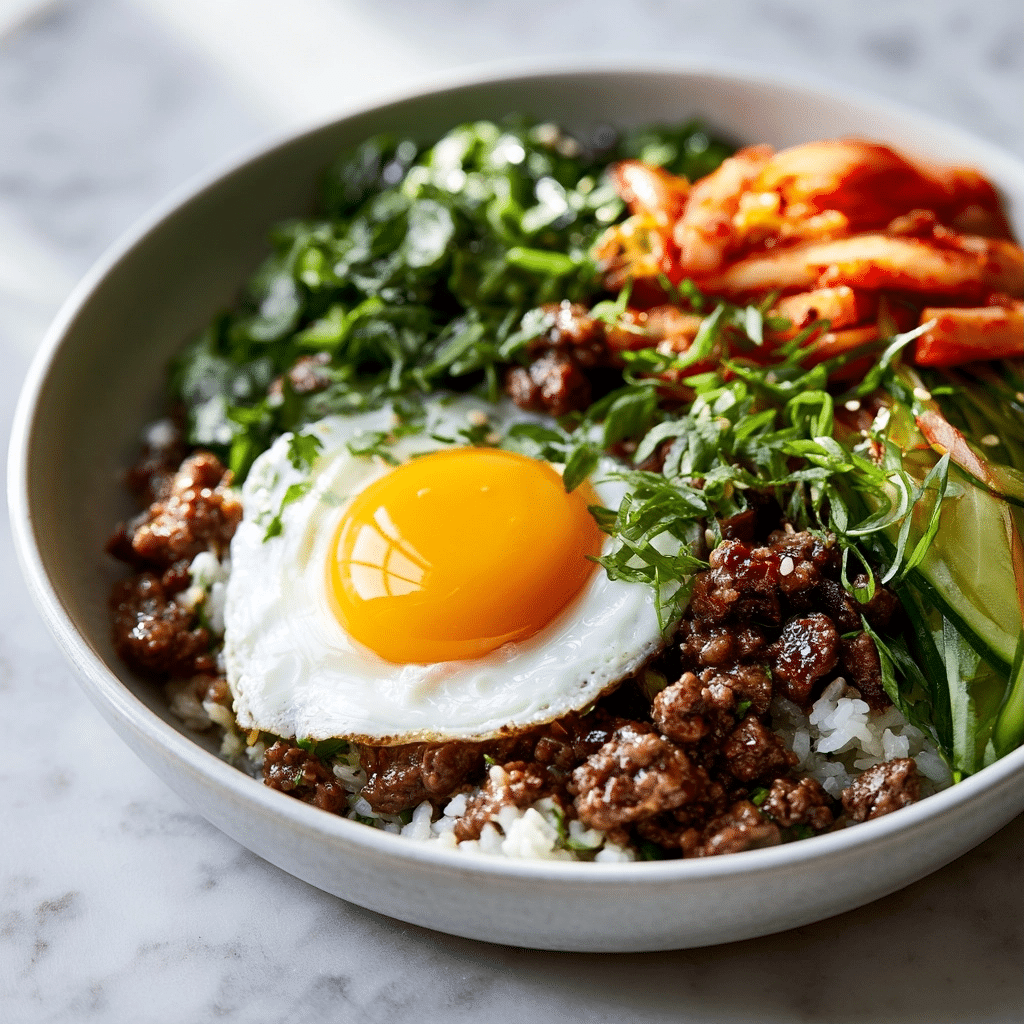
Korean Ground Beef Bowl is a savory, protein-packed dish that combines browned beef with a signature blend of garlic, ginger, soy sauce, and sesame oil. This recipe serves families looking for a fast, nutritious alternative to takeout, especially during busy weeknights when time is at a premium. The texture features tender, caramelized meat against a fluffy rice base, while the aroma of toasted sesame and fresh ginger provides an instant appetite-clearing fragrance. Because it uses pantry staples and affordable ground protein, it has become a staple in the meal-prep community for its balance of simplicity and bold profile. You will discover that this dish provides the ultimate solution for a high-flavor dinner that demands less than twenty minutes of active kitchen time.
What Is a Korean Ground Beef Bowl?
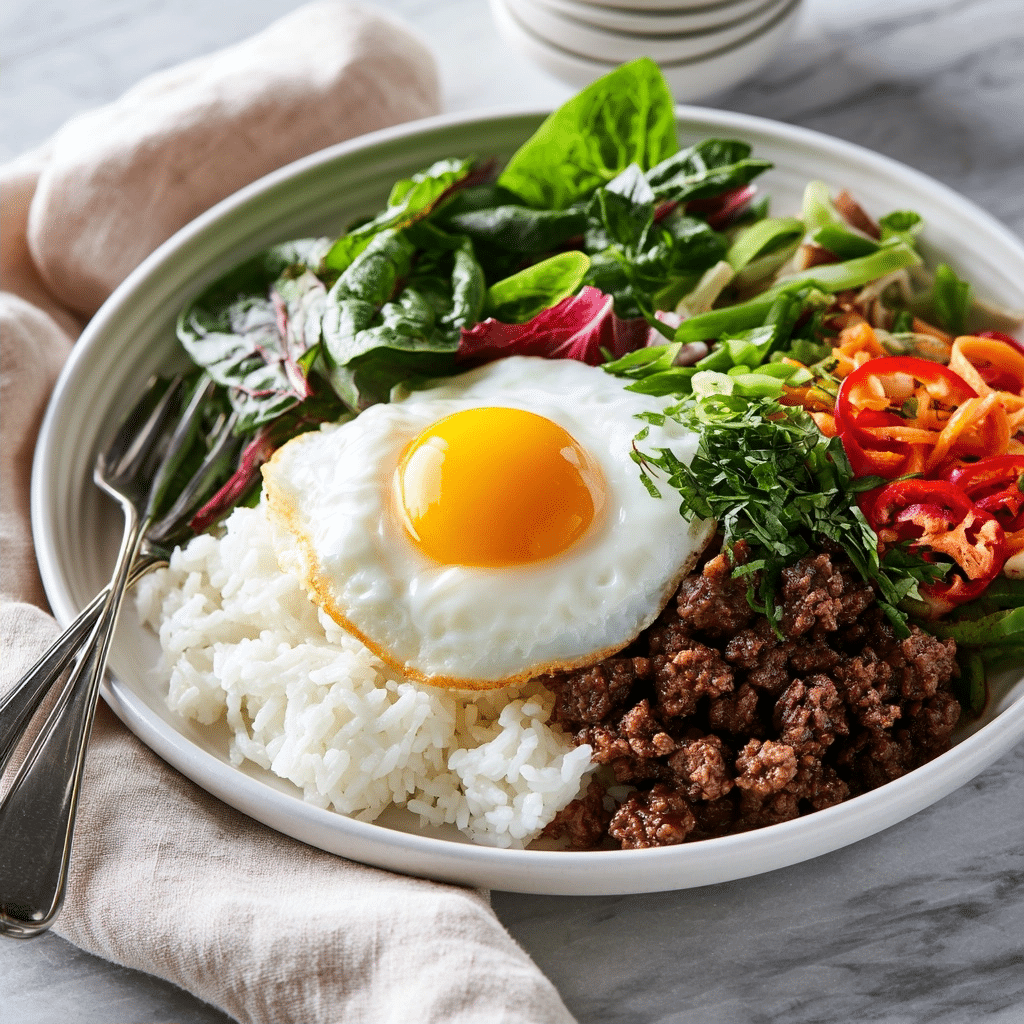
A Korean Ground Beef Bowl is a modern, simplified interpretation of traditional Bulgogi or Bibimbap, designed for the home cook who needs speed without sacrificing depth of flavor. While traditional Korean barbecue often requires marinating thin strips of ribeye or sirloin for hours, this variation utilizes ground beef to achieve a similar savory-sweet profile in minutes. The core elements remain authentic to the Korean flavor profile, relying heavily on the “holy trinity” of Korean aromatics: garlic, ginger, and green onions. It differs from traditional stir-fry by focusing on a higher protein-to-vegetable ratio and using the fat from the beef to emulsify the concentrated sauce directly in the pan.
| Prep Time | 5 minutes |
| Cook Time | 10 minutes |
| Total Time | 15 minutes |
| Servings | 4 servings |
| Difficulty Level | Easy |
| Cuisine | Korean-Inspired |
| Calories per Serving | 420 kcal |
Why You’ll Love This Recipe
- Effortless Pantry Cooking: Utilize basic ingredients like soy sauce and ground meat that you likely already have in your kitchen.
- Time-Saving Preparation: This recipe transitions from fridge to table in just 15 minutes, outperforming any delivery service.
- Crowd-Pleasing Flavor: The balance of salty soy and aromatic sesame appeals to both children and adults with its umami-rich profile.
- Meal-Prep Friendly: The beef mixture maintains its texture and flavor beautifully when stored and reheated for office lunches.
- Foolproof Technique: No advanced knife skills or complex temperature management are required to achieve a professional result.
This dish is the definitive answer for those seeking a high-protein meal that doesn’t require a sink full of dishes or hours of stove-side attention. The combination of savory beef and warm rice is universally satisfying, making it a reliable rotation for beginner cooks and seasoned regulars alike.
Why This Recipe Works
Many years ago, I struggled to find a way to make ground beef feel sophisticated rather than just a base for pasta sauce. I began experimenting with high-heat searing and Asian aromatics, eventually landing on this specific ratio of soy and sesame. This recipe works because it relies on the Maillard reaction—the chemical process that occurs when beef is browned at high heat—creating a savory crust that acts as a sponge for the liquid seasonings. By browning the meat before adding liquids, we ensure the beef remains crisp-tender rather than boiled and gray.
The technique of adding garlic and ginger at the very end of the browning process is crucial. If these aromatics are added too early, they burn and become bitter; added at the right moment, they bloom in the rendered beef fat, releasing essential oils that permeate the entire dish. The soy sauce then deglazes the pan, picking up all the browned bits (the fond) and concentrating into a glaze that coats every morsel of meat. This creates a layered flavor profile that tastes like it simmered for hours.
Finally, the sensory payoff comes from the contrast in temperatures and textures. The hot, seasoned beef provides a richness that is cut by the clean, neutral fluffiness of the rice. When you add fresh green onions at the end, the residual heat softens them just enough to release their sharp, oniony perfume without losing their crunch, providing a complete sensory experience in every bite.
Pro Tips Before You Start
- High-Heat Searing: Ensure your skillet is hot before adding the beef to achieve a deep brown crust rather than steaming the meat.
- Mise en Place: Mince your garlic and ginger before you turn on the stove, as the cooking process moves very quickly once the beef is browned.
- Rice Temperature: Prepare your rice in advance or use a rice cooker so it is steaming hot when the beef is finished cooking.
- Lean Meat Ratio: Use 80/20 ground beef for the best flavor, as the fat helps carry the ginger and garlic notes throughout the sauce.
Ingredients for a Perfect Bowl
Here’s everything you’ll need to make this Korean Ground Beef Bowl. Using fresh aromatics like real ginger and garlic makes a significant difference in the final aromatic quality of the dish.
| Ingredient | Quantity | Notes/Alternatives |
|---|---|---|
| Ground Beef (80/20) | 1 lb (454g) | Higher fat content provides better flavor emulsification | 2 tbsp (30ml) | Use Tamari for a gluten-free version |
| Sesame Oil | 1 tbsp (15ml) | Toasted sesame oil offers the best fragrance |
| Fresh Garlic | 3 cloves (15g) | Mince finely; do not use jarred garlic for best results |
| Fresh Ginger | 1 tsp (5g) | Grated or finely minced fresh ginger root |
| Cooked Rice | 2 cups (400g) | Jasmine, Basmathi, or Brown rice work perfectly |
| Green Onions* | 3 stalks | Garnish for fresh crunch and color |
| Sesame Seeds* | 1 tsp | Toasted seeds add a nutty finish |
Best Ingredients for Korean Ground Beef Bowl
The quality of your beef and soy sauce will dictate the success of this dish. Opt for 80/20 ground beef because the fat renders out and mixes with the soy sauce to create a silky glaze that stays moist even after reheating. For the soy sauce, a naturally brewed variety provides a complex saltiness that chemically synthesized versions lack. If you can find toasted sesame oil, it is superior to regular sesame oil because the roasting process brings out a smoky, deep aroma that is central to Korean cuisine. Fresh ginger is also non-negotiable; the bright, citrusy heat of fresh ginger root cannot be replicated by dried powder, which often tastes dusty in a quick stir-fry like this one.
Step-by-Step Instructions
Phase 1: Preparation and Searing
- Prepare all ingredients by measuring the soy sauce and oil, and finely mincing the garlic and ginger root. (Having everything ready prevents the aromatics from burning later.)
- Heat a large 12-inch (30cm) skillet over medium-high heat for 2 minutes until a drop of water sizzles instantly upon contact.
- Place the ground beef in the hot skillet, breaking it apart with a wooden spoon or spatula into small, uniform crumbles.
- Brown the beef for 5-7 minutes, stirring occasionally, until it is fully cooked and no pink remains. (Let it sit for a minute without stirring to develop a dark, flavorful crust.)
Phase 2: Seasoning and Flavoring
- Stir in the minced garlic and ginger into the beef, cooking for 1 minute until the mixture becomes intensely fragrant.
- Pour in the 2 tablespoons of soy sauce and 1 tablespoon of sesame oil directly over the meat.
- Mix well using a folding motion to ensure the solids are evenly coated in the liquid seasonings.
- Add any chosen chopped vegetables, such as bell peppers or broccoli, and sauté for 3-4 minutes until they are tender yet retain a slight crispness.
Phase 3: Final Assembly
- Partition the 2 cups of hot, cooked rice into four serving bowls.
- Spoon the beef and vegetable mixture generously over the rice, ensuring some of the resting juices are drizzled over the grains.
- Garnish with sliced green onions and a sprinkle of sesame seeds for texture.
- Place an optional fried egg on top if desired, allowing the runny yolk to create a natural sauce for the meat.
Chef Tips for Perfect Results
- Drain the Fat: If using very fatty beef, drain all but 1 tablespoon of the rendered fat before adding the soy sauce to prevent the bowl from feeling greasy.
- Wait for the Pan: Never add beef to a cold pan; the sizzle acts as a seal that keeps the juices inside the meat.
- Ginger Skin: Use the edge of a spoon to peel your ginger; it is much safer and wastes less flesh than a vegetable peeler.
- Rice Texture: For a more authentic experience, use short-grain Korean rice which is stickier and holds the beef juices better than long-grain varieties.
- Taste Before Salting: Between the soy sauce and the beef, you may not need any additional salt; always taste the finished product before adding more.
Common Mistakes to Avoid
- Crowding the Pan | Results in steamed, gray meat | Too much meat in a small pan lowers the temperature instantly | Cook in batches or use a larger skillet to allow for proper searing.
- Overcooking the Garlic | Results in a bitter, acrid aftertaste | Garlic burns quickly at high temperatures | Add garlic only in the final 2 minutes of cooking.
- Using Cold Rice | Results in an uneven meal temperature | Cold rice absorbs moisture differently | Always reheat your rice thoroughly or use fresh-cooked grains.
- Skipping the Garnish | Results in a heavy, one-note flavor | Fresh onions provide essential acidity | Always include a fresh element to balance the richness of the soy and beef fat.
How to Make This Recipe Healthier
To reduce the overall caloric density of this dish, consider substituting the ground beef with ground turkey or chicken. This swap lowers the saturated fat by roughly 40% while maintaining the high protein count. You can also replace the white rice with cauliflower rice to significantly reduce the carbohydrate load, though this will result in a lighter, less filling meal. Another effective method is to double the vegetable volume—adding spinach or shredded carrots—which increases the fiber content by 3-4 grams per serving without needing more oil. Using a low-sodium soy sauce is also recommended to reduce the sodium intake by nearly half without compromising the depth of the umami profile.
Variations and Substitutions
This recipe is highly customizable to fit various dietary needs and flavor preferences. Whether you want more heat or a plant-based alternative, these suggestions will help you adapt the dish.
| Ingredient | Substitution | Impact on Flavor | Impact on Texture |
|---|---|---|---|
| Ground Beef | Ground Turkey | Milder; less rich | Leaner and slightly drier |
| Soy Sauce | Liquid Aminos | Equally savory | Identical texture |
| Rice | Quinoa | Nuttier undertone | Small, pearly crunch |
| Sesame Oil | Perilla Oil | Earthier, herbal | Identical texture |
| Spicy Kick | Gochugaru (Red Pepper flakes) | Consistent heat | No change |
Can You Make This Ahead?
Yes, this recipe is an excellent candidate for advance preparation. You can cook the beef mixture up to 4 days in advance and store it in an airtight container in the refrigerator. For the best results, store the rice and the beef in separate compartments to prevent the rice from becoming soggy. When you are ready to eat, simply combine them and reheat. Do not add the green onions or sesame seeds until the moment of serving, as their texture and aroma will degrade if refrigerated and reheated with the meat.
Serving Suggestions and Pairings
Serve this warm as a main course for lunch or dinner. It pairs exceptionally well with a side of spicy Kimchi to provide a fermented acidity that cuts through the richness of the sesame oil. For a beverage, a cold sparkling water with lemon or a light ginger tea complements the spice profile beautifully. If you are serving this for a family gathering, place the beef in a large serving platter and offer various toppings like pickled radishes, shredded cucumbers, and sriracha mayo so guests can build their own custom bowls. It is also excellent when scooped into large butter lettuce leaves for a low-carb “wrap” style presentation.
Best Occasions to Serve This Recipe
This recipe is perfect for Tuesday-night dinners when time is tight or during meal-prep Sundays when you need to batch-cook five lunches for the work week. It fits seamlessly into a family gathering where you have picky eaters, as the flavors are approachable and customizable. Furthermore, because of its vibrant colors, it serves as an impressive but stress-free option for a casual date night when you want to showcase your cooking skills without spending hours in the kitchen.
Storage and Reheating
The cooked beef and rice maintain their quality well when properly sealed. Follow these guidelines for optimal food safety and flavor retention.
| Method | Duration | Instructions |
|---|---|---|
| Refrigerator | 4 Days | Airtight container; keep rice and beef separate if possible. |
| Freezer | 3 Months | Freeze beef in a freezer-safe bag with air removed. Thaw in fridge. |
| Microwave | 2 Minutes | Heat on high; add a teaspoon of water to the rice to keep it moist. |
| Stovetop | 5 Minutes | Reheat beef in a skillet over medium heat with a splash of water or broth. |
Nutritional Information
Approximate nutritional values per serving (based on 4 total servings):
| Nutrient | Amount per Serving |
| Calories | 420 kcal |
| Protein | 26g |
| Fat | 22g |
| Carbohydrates | 32g |
| Fiber | 1g |
| Sugar | 1g |
| Sodium | 680mg |
*Approximate values based on standard ingredients. Actual nutrition varies by brand and substitutions.
Conclusion
This Korean Ground Beef Bowl wins because it strikes a rare balance between culinary sophistication and extreme convenience. By utilizing high-heat searing and a concentrated blend of ginger and garlic, you achieve flavor levels usually reserved for slow-cooked meals. Its versatility allows it to transition from a health-conscious meal prep option to a comforting family dinner without any adjustments to the core technique.
The primary benefit of this recipe is its reliability. Whether you have fifteen minutes or fifty, the result is consistently savory, satisfying, and nutritious. It eliminates the “what’s for dinner” stress by relying on ingredients that are likely already in your kitchen. You will find that this dish becomes a frequent request because it satisfies the craving for something complex and “restaurant-quality” without the associated cost or wait time.
Try this recipe tonight and see how quickly it transforms your weeknight routine into something special. Save this guide for your next busy evening, and share it with friends who need more quick, high-protein inspiration. This meal delivers a professional-grade experience that ensures every bite is as rewarding as the last.
FAQ
Can I make this recipe with ground turkey instead of beef?
Yes, ground turkey is an excellent leaner substitute for beef. You should add an extra teaspoon of sesame oil to compensate for the lower fat content so the meat doesn’t dry out. The cooking time remains the same, ensuring the turkey reaches an internal temperature of 165°F (74°C).
How do I know when the ground beef is properly browned?
Properly browned beef will have a deep, chocolate-brown color on the surface rather than a pale gray. You should hear a consistent sizzling sound in the pan and see very little steam. If you see a lot of liquid in the pan, turn up the heat to evaporate it and begin the searing process.
What should I do if the beef mixture is too salty?
If the mixture tastes too salty, you can add a tablespoon of water or a teaspoon of honey to balance the sodium. Serving it with a larger portion of unseasoned rice or adding more steamed vegetables will also help dilute the salt concentration across the entire meal.
Can I make this Korean Ground Beef Bowl the day before?
Yes, you can prepare the entire beef component 24 hours in advance. Store it in the refrigerator and reheat it gently on the stovetop. This actually allows the garlic and ginger flavors to marry more deeply, often resulting in an even better flavor profile the following day.
Is this recipe suitable for a Gluten-Free diet?
This recipe is easily made gluten-free by substituting traditional soy sauce with Tamari or coconut aminos. Ensure that your sesame oil is certified gluten-free, although most pure sesame oils naturally contain no gluten. Always check the labels of any pre-cooked rice packets if you are not making the rice from scratch.
Print
Quick Korean Ground Beef Bowl: The 15-Minute Meal
- Total Time: 15
- Yield: 4 servings
- Diet: Non-Vegetarian
Description
A protein-rich, 15-minute meal featuring tender ground beef infused with garlic, ginger, soy sauce, and sesame oil. Served over fluffy rice, this family-friendly dish offers bold Korean flavors with minimal effort and cleanup.
Ingredients
1 lb ground beef (halal recommended)
3 cups steamed white rice
2 tbsp soy sauce (low-sodium optional)
1 tbsp brown sugar
2 cloves garlic, minced
1 tbsp grated fresh ginger
1 tbsp sesame oil
1/4 cup diced green onions
1 tsp black pepper
Instructions
Preheat pan on medium-high heat and add sesame oil.
Brown ground beef, breaking into small crumbles (5-7 minutes).
Add garlic and ginger; cook 1 minute until fragrant.
Pour in soy sauce, sugar, and black pepper. Stir to coat and reduce sauce (4-5 minutes).
Heap rice into bowls and top with beef mixture and green onions.
Notes
Use 85% lean ground beef for optimal moisture balance.
Add frozen stir-fry veggies during cooking for extra nutrition.
Freeze leftover beef mixture (unheated) for up to 2 months.
Reheat in oven or microwave, then serve with fresh rice.
- Prep Time: 5
- Cook Time: 10
- Category: Meals
- Method: Stir-frying
- Cuisine: Korean-Inspired