
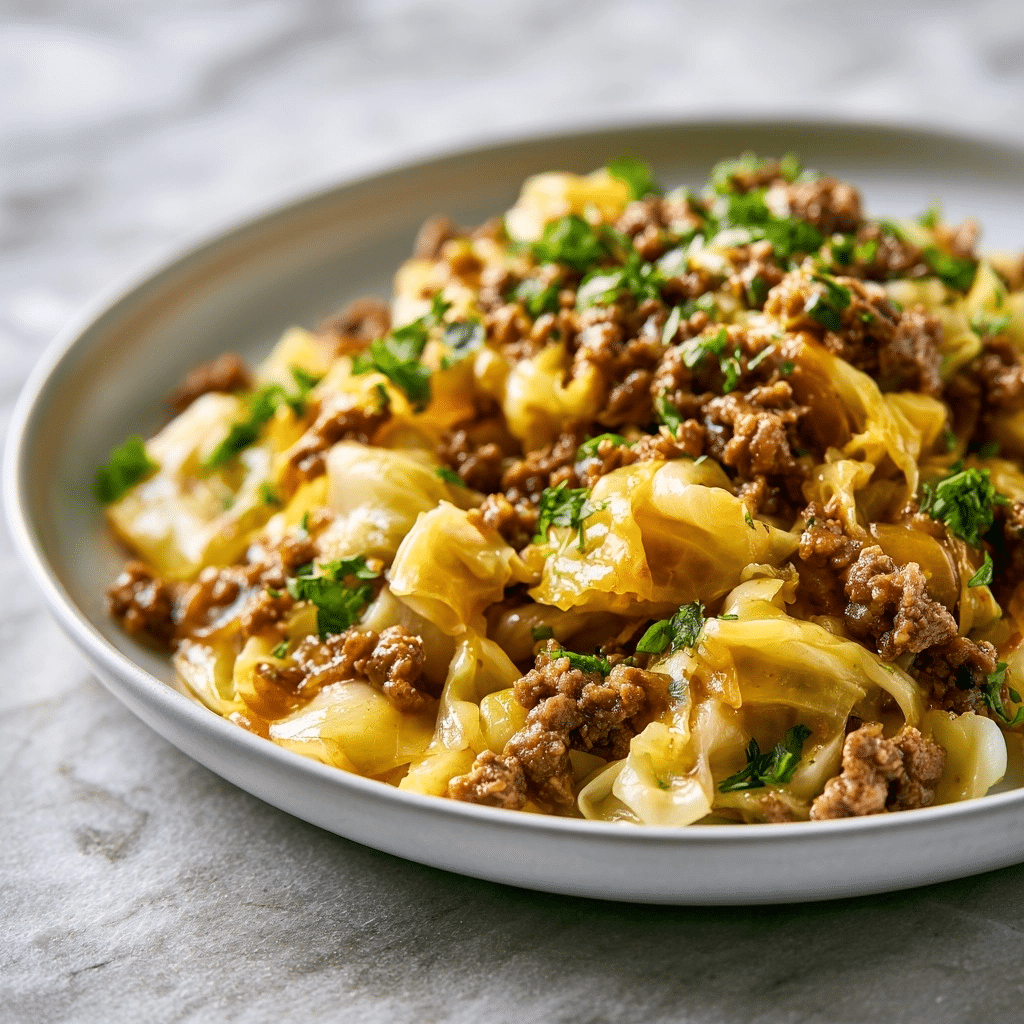
Mongolian ground beef cabbage is a savory, low-carb stir-fry that combines lean protein with crisp vegetables in a signature sweet and salty glaze. This dish serves as an ideal solution for busy professionals and health-conscious families seeking a nutrient-dense meal that does not compromise on traditional East Asian flavors. By utilizing ground beef instead of sliced steak, you achieve a faster cook time and better sauce distribution, ensuring every bite carries the aromatic heat of ginger and the richness of toasted sesame oil. The texture is a satisfying contrast between the tender, caramelized beef and the refreshing crunch of wilted green cabbage. This recipe transforms humble pantry staples into a high-protein dinner that delivers a restaurant-quality experience in less than half the time of takeout.
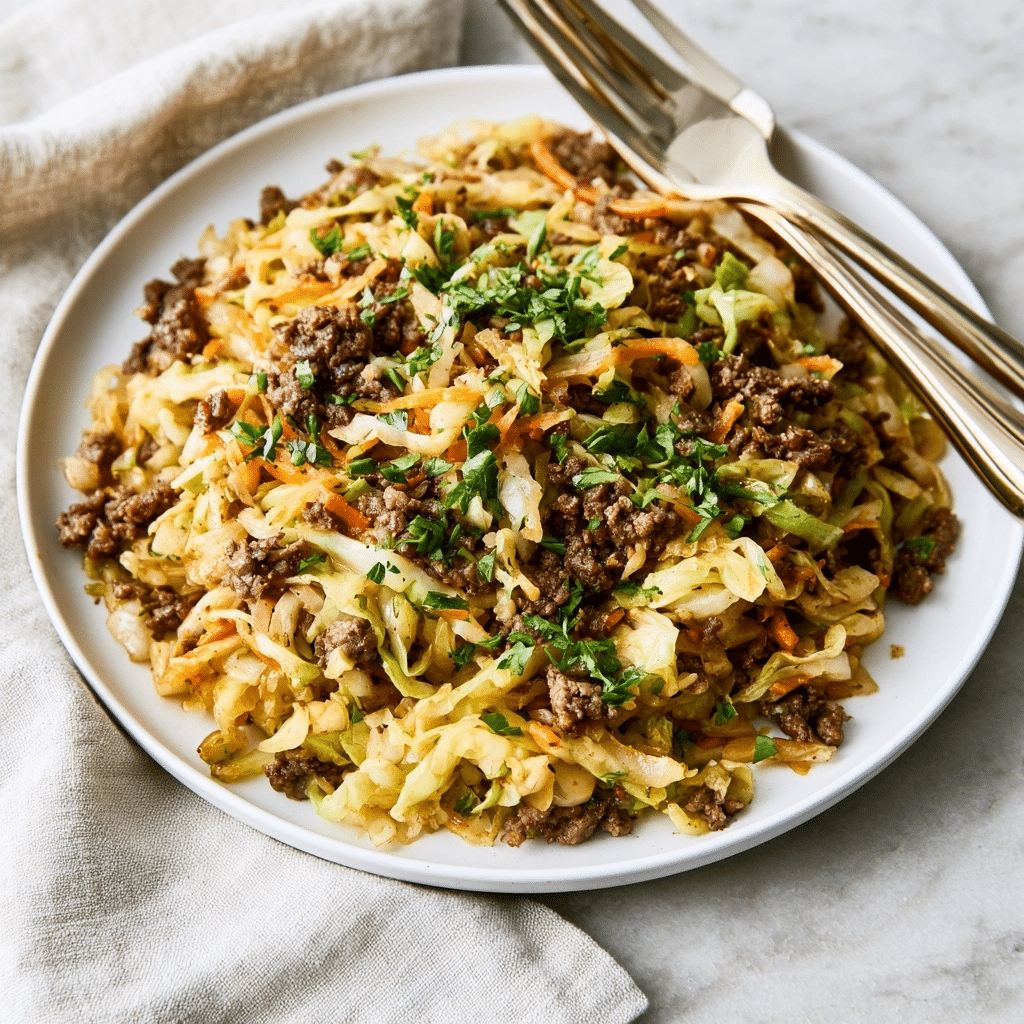
What Is Mongolian Ground Beef Cabbage?
Mongolian ground beef cabbage is a modern, health-forward adaptation of the classic Mongolian beef recipe, which typically features flank steak and a heavy cornstarch-based sauce. This version replaces the traditional sugar with a low-carb sweetener and incorporates a significant volume of shredded cabbage to create a balanced one-pan meal. While the name suggests Mongolian origins, the flavor profile is rooted in American-Chinese culinary traditions, characterized by a bold umami base, aromatic garlic, and the specific heat of red pepper flakes. It distinguishes itself from standard beef stir-fries through its distinct sweet-savory balance and the absence of heavy thickening agents, making it a staple for those following keto or paleo lifestyles.
| Prep Time | 10 minutes |
| Cook Time | 20 minutes |
| Total Time | 30 minutes |
| Servings | 4 servings |
| Difficulty Level | Easy |
| Cuisine | Asian-Fusion |
| Calories per Serving | 345 kcal |
Why You’ll Love This Recipe
- Effortless Preparation: This recipe requires only one skillet, which means minimal cleanup and a foolproof cooking process for beginners.
- Time-Saving Efficiency: You can move from cutting board to dinner table in 30 minutes, making it the ultimate weeknight savior.
- Crowd-Pleasing Flavors: The balance of soy sauce and erythritol appeals to both children and adults who enjoy classic savory-sweet profiles.
- Meal Prep Friendly: The ingredients hold up remarkably well in the refrigerator, maintaining texture and intensifying in flavor for lunch the next day.
- Budget-Conscious: Ground beef and cabbage are two of the most affordable grocery staples, offering high nutritional value for a low cost.
This dish is specifically designed for high-stress evenings when you need a reliable, nourishing meal without the complexity of traditional multi-step recipes. It bridges the gap between diet-specific cooking and comfort food, ensuring that even those not following a low-carb regimen will find it deeply satisfying. The use of aromatic ginger and garlic ensures a fragrant kitchen environment that rivals any neighborhood bistro.
Why This Recipe Works
In my years of developing quick-service recipes, I have found that the combination of high-fat ground beef and cruciferous vegetables creates a natural emulsification when paired with soy-based sauces. The 80/20 beef ratio is essential here because the rendered fat acts as the primary cooking medium for the aromatics, carrying the fat-soluble compounds of the garlic and ginger throughout the entire skillet. When you introduce the cabbage to the hot pan, it releases just enough moisture to deglaze the beef juices, resulting in a self-made sauce that coats every ingredient perfectly.
The technique works because it relies on high-heat caramelization followed by a quick steam from the cabbage’s water content. By browning the beef first, you create a foundation of Maillard reaction flavors—those complex, savory notes that provide depth to the dish. The cabbage is added late in the process to prevent it from becoming mushy, ensuring a diverse textural experience where the edges of the cabbage are soft and seasoned while the core remains crisp and vibrant.
Finally, the chemistry of the sauce provides the perfect finish. Using erythritol allows the sauce to thicken slightly as it reduces without reaching the cloying stickiness of refined sugar. The sesame oil is added toward the end to preserve its delicate volatile compounds, providing that quintessential nutty aroma that defines the Mongolian flavor profile. This layering of flavors—savory beef, sweet glaze, and pungent aromatics—results in a visually appealing and palatably complex meal.
Pro Tips Before You Start
- Mise en Place: Chop all vegetables and whisk the sauce ingredients before turning on the heat, as the stir-fry process moves very quickly.
- Dry the Cabbage: If you wash your shredded cabbage, ensure it is thoroughly dried with a salad spinner or paper towels to prevent the dish from becoming watery.
- Sharp Knife for Ginger: Use a microplane or a very sharp knife to mince the ginger as finely as possible to avoid unpleasantly large woody bites.
- Room Temperature Beef: Take the ground beef out of the fridge 15 minutes before cooking to ensure it browns evenly rather than steaming in its own cold moisture.
Ingredients
Here’s everything you’ll need to make Mongolian ground beef cabbage. These items are common staples found in most local supermarkets in the international or produce aisles.
| Ingredient | Quantity | Notes/Alternatives |
|---|---|---|
| Ground Beef | 1 lb (454g) | 80/20 fat ratio preferred for best flavor |
| Green Cabbage | 4 cups (350g) | Shredded thinly; use Savoy for a milder taste |
| Medium Onion | 1 unit (150g) | Thinly sliced yellow or white onion |
| Fresh Garlic | 3 cloves | Minced finely; do not use jarred garlic |
| Fresh Ginger | 1 tbsp (15g) | Minced; provides essential heat |
| Soy Sauce | 1/4 cup (60ml) | Tamari or Coconut Aminos for gluten-free |
| Sesame Oil | 2 tbsp (30ml) | Toasted sesame oil for deep nutty aroma |
| Erythritol | 1 tbsp (12g) | Or monk fruit sweetener/brown sugar* |
| Red Pepper Flakes | 1/4 tsp | Adjust based on heat tolerance |
| Green Onions* | 2 stalks | For garnish and fresh finish |
Best Ingredients for Mongolian Ground Beef Cabbage
The quality of your beef is the most significant factor in the final outcome of this dish. I recommend an 80/20 blend because the fat content is necessary to soften the cabbage and provide a rich mouthfeel that prevents the lean protein from feeling dry. If you opt for a leaner 90/10 blend, you may find the dish lacks the traditional silkiness associated with Mongolian sauces. Furthermore, fresh ginger is non-negotiable; while ground ginger powder is a pantry staple, it lacks the bright, zesty top notes that essential oils in fresh ginger provide.
For the soy component, choosing a high-quality naturally brewed soy sauce or a dark soy sauce blend can add significant color and depth. If you are watching your sodium intake, a low-sodium version works perfectly well here. The choice of sweetener also matters; if you aren’t strictly low-carb, using dark brown sugar can provide a molasses-like undertone that pairs beautifully with the beef, though erythritol remains the best choice for a healthy, glycemic-friendly profile.
Step-by-Step Instructions
Phase 1: Browning the Ground Beef
- Place a 12-inch heavy-bottomed skillet over medium-high heat (375°F / 190°C) and add the ground beef directly to the pan.
- Cook the beef for 5-7 minutes, using a sturdy spatula to break the meat into small, uniform crumbles as it sears.
- Continue cooking until the internal temperature reaches 160°F (71°C) and no pink remains, ensuring a deep brown crust develops on the meat surfaces.
- Drain the rendered fat into a heat-safe container, leaving approximately one tablespoon in the pan to sauté the vegetables.
Phase 2: Sautéing Aromatics and Vegetables
- Add the sliced onions to the skillet with the beef, stirring frequently for 3-4 minutes until the onions turn translucent and slightly golden.
- Incorporate the minced garlic and fresh ginger into the center of the pan, stirring constantly for 60-90 seconds until a strong fragrance is released. (Be careful not to let the garlic turn dark brown, as it will become bitter.)
- Toss the 4 cups of shredded cabbage into the skillet, using tongs to combine it thoroughly with the beef and aromatic mixture.
- Sauté the mixture for 5-7 minutes, or until the cabbage has wilted to about half its original volume but still retains a firm bite.
Phase 3: Glazing and Finishing
- Whisk the soy sauce, sesame oil, erythritol, and red pepper flakes in a small bowl until the sweetener is completely dissolved.
- Pour the sauce mixture evenly over the beef and cabbage, stirring vigorously to ensure every strand of cabbage is coated.
- Simmer the entire dish for 2-3 minutes over medium heat, allowing the sauce to reduce slightly and the flavors to penetrate the protein.
- Remove the skillet from the heat immediately to prevent the cabbage from overcooking and becoming soggy.
- Garnish with fresh green onions and serve immediately while the aroma is at its peak.
Chef Tips for Perfect Results
- Don’t Overcrowd the Pan: If your skillet is smaller than 12 inches, cook the beef and cabbage in batches to ensure they sear rather than steam.
- The Cabbage Cut: Aim for a ‘coleslaw’ style shred; if the pieces are too thick, they won’t cook through in the allotted time, leaving the dish disjointed.
- Layer the Heat: If you enjoy spicy food, add the red pepper flakes during the oil-heating phase to bloom the spice, rather than just in the sauce.
- Balance the Salt: Taste the dish before the final simmer; if it is too salty, add a teaspoon of rice vinegar to brighten the flavors and cut the sodium punch.
- Consistent Heat: Maintain medium-high heat throughout the stir-fry process to ensure the cabbage chars slightly rather than boiling in the sauce.
Common Mistakes to Avoid
- Using Frozen Cabbage | Results in a watery, mushy texture | The freezing process breaks down the cell walls of the cabbage, releasing excess water during thawing | Always use fresh, crisp cabbage heads for this specific stir-fry technique.
- Burning the Ginger | Causes a sharp, acrid, and bitter flavor throughout the dish | Ginger has a low smoke point and burns quickly when exposed to direct skillet heat for too long | Always add ginger during the last stage of aromatic sautéing and keep it moving.
- Skipping the Beef Drainage | Results in a greasy, heavy mouthfeel | Excess fat prevents the sauce from adhering to the meat and cabbage | Drain all but a small amount of fat after browning to ensure the glaze remains the primary flavor carrier.
- Overcooking the Cabbage | Leads to a limp, flavorless result with no structural integrity | Prolonged heat destroys the crunch that makes this dish satisfying | Stop cooking as soon as the cabbage is tender-crisp; it will continue to soften slightly from residual heat.
How to Make This Recipe Healthier
While this recipe is already naturally low in carbohydrates, you can further optimize the nutritional profile by making strategic swaps. Replacing standard ground beef with 93% lean ground turkey or ground chicken is a common modification. This substitution reduces the saturated fat content significantly while maintaining a high protein count. However, you will need to add an extra tablespoon of sesame oil to compensate for the lack of natural animal fats to prevent the meat from becoming too dry.
Another excellent modification is the transition from soy sauce to coconut aminos. Original Ingredient: Soy Sauce → Healthier Swap: Coconut Aminos → Impact: Reduces sodium by nearly 70% and adds a subtle natural sweetness, though it has a thinner consistency. You might also consider increasing the volume of cabbage or adding shredded carrots and bell peppers. This adds significant fiber (roughly 3g per serving) and a wider array of vitamins without adding substantial calories.
Variations and Substitutions
Customizing this Mongolian ground beef cabbage recipe is simple because the flavor base is incredibly versatile. You can adapt the dish to suit various dietary needs or flavor preferences using the table below.
| Ingredient | Substitution | Flavor Impact | Texture Impact |
|---|---|---|---|
| Ground Beef | Ground Turkey | Milder flavor | Finer, drier crumble | Tamari | More intense umami | Identical |
| Erythritol | Honey* | Floral sweetness | Stickier glaze |
| Sesame Oil | Perilla Oil | Earthier, nuttier | Slighly heavier |
| Green Cabbage | Bok Choy | Peppery/Grassy | Softer leaves, crunchy stems |
Can You Make This Ahead?
Yes, you can absolutely make this dish ahead of time. In fact, many find the flavors more developed after the ingredients have had time to marinate together in the refrigerator. You can prepare the entire recipe up to 4 days in advance and store it in an airtight glass container. For meal preppers, I recommend undercooking the cabbage slightly (by about 2 minutes) if you plan on reheating it later. This ensures that when you finally heat it for lunch or dinner, the cabbage reaches the perfect ‘tender-crisp’ state rather than becoming overextended and soft.
Serving Suggestions and Pairings
Serve this Mongolian ground beef cabbage as a standalone low-carb bowl for a light dinner. If you aren’t restricted by carbohydrates, it pairs beautifully over a bed of steamed jasmine rice or brown rice, which helps soak up the extra sauce. For a grain-free alternative, cauliflower rice is an excellent companion. You can also use the mixture as a filling for lettuce wraps, utilizing large Romaine or butter lettuce leaves for a refreshing crunch.
For beverage pairings, a crisp sparkling water with a twist of lime or a chilled ginger tea complements the spice of the dish well. If serving at a dinner party, a side of smashed cucumber salad with rice vinegar and sesame seeds provides a cool, acidic contrast to the rich, savory beef. This dish is equally at home in a casual lunchbox as it is presented in a large family-style bowl at a weekend gathering.
Best Occasions to Serve This Recipe
This recipe is perfect for Tuesday-night dinners when you are tempted by the convenience of takeout but want a healthier, home-cooked alternative. Its rapid preparation makes it ideal for post-gym meals where high protein is required quickly. Additionally, because it scales easily, it is a fantastic option for family gatherings or potlucks where you need a dish that caters to various dietary restrictions, such as keto or gluten-free guests. During the busy holiday season, this 20-minute meal provides a much-needed break from complex, time-consuming roasting and baking.
Storage and Reheating
Proper storage ensures the beef stays juicy and the aromatics remain pungent. Avoid freezing if possible, as cabbage does not retain its texture well after being frozen and thawed.
| Method | Duration | Instructions |
|---|---|---|
| Refrigerator | 4 Days | Store in an airtight container once cooled to room temperature. |
| Stovetop (Best) | 5 Minutes | Heat in a skillet over medium with a splash of water to loosen the sauce. |
| Microwave | 2 Minutes | Cover with a damp paper towel and heat in 30-second intervals, stirring between. |
Nutritional Information
Approximate nutritional values per serving (based on 4 servings):
| Nutrient | Amount per Serving |
| Calories | 345 kcal |
| Protein | 24g |
| Fat | 22g |
| Carbohydrates | 9g |
| Fiber | 3g |
| Sugar | 2g |
| Sodium | 890mg |
*Approximate values based on standard ingredients. Actual nutrition varies by brand and substitutions. Not a substitute for professional nutritional advice.
Conclusion
This Mongolian ground beef cabbage recipe wins because it bridges the gap between extreme convenience and exceptional flavor. It utilizes cost-effective ingredients to create a meal that feels indulgent yet remains physically light and nutritionally balanced. Whether you are a seasoned home cook or a beginner, the straightforward technique of browning and tossing ensures a successful outcome every single time you step into the kitchen. The versatility of the dish allows it to fit into almost any dietary framework while providing the familiar, comforting tastes of traditional stir-fry.
By reinforcing the main benefit of speed, you realize that a healthy, protein-packed dinner is never more than 20 minutes away. This recipe delivers a level of satisfaction that helps you maintain your health goals without ever feeling like you are sacrificing the joy of eating. It transforms the standard ground beef routine into something vibrant, aromatic, and genuinely exciting to serve to your family or guests.
Try this recipe tonight and discover how a few fresh aromatics and a humble head of cabbage can redefine your weeknight menu. Save this guide for your next meal prep session or share it with a friend who needs more low-carb inspiration. This dish delivers a perfect balance of nutrition and zest that you will find yourself returning to again and again.
FAQ
Can I substitute the ground beef with ground turkey?
Yes, ground turkey is an excellent substitute for beef in this recipe. While it will provide a milder flavor and lower fat content, the soy and ginger sauce will still provide ample seasoning. You may want to add one extra teaspoon of sesame oil to ensure the turkey remains moist throughout the sautéing process.
How do I know when the cabbage is done cooking?
The cabbage is done when it has turned slightly translucent and translucent at the edges but still offers a distinct snap when bitten. Usually, this takes between 5 and 7 minutes over medium-high heat. Avoid cooking it until it becomes limp and dark, as this indicates it has lost its structural integrity and much of its sweetness.
What should I do if my stir-fry is too watery?
If you notice excess liquid in the pan, turn the heat to high and stir constantly for 2-3 minutes to evaporate the moisture. This often happens if the cabbage was not dried properly after washing or if the pan was overcrowded. High heat will quickly reduce the liquid into a thicker glaze that properly adheres to the beef.
Can I make Mongolian ground beef cabbage the day before?
Yes, this dish is an exceptional candidate for make-ahead cooking. Store it in a sealed container in the fridge, and the cabbage will continue to absorb the umami flavors of the sauce overnight. When reheating, use the stovetop method listed above to restore the best possible texture to the beef crumbles.
Is this recipe suitable for a Keto diet?
This recipe is perfectly suitable for a Keto diet as it uses a low-carb sweetener (erythritol) and focuses on high-protein beef and high-fiber cabbage. With only 6g of net carbs per serving, it fits easily into a daily keto macro limit. Just ensure your soy sauce or tamari does not contain added sugars or starches.
Print
Quick Mongolian Ground Lean Beef Cabbage Stir-Fry
- Total Time: 30
- Yield: 4 servings
- Diet: Low-Carb/Keto-Friendly
Description
A sizzling 20-minute stir-fry combining lean ground beef with vitamin-rich cabbage and a zero-carb sweetener-based glaze. Perfect for healthy yet flavorful weeknight meals with a satisfying sweet-and-savory profile.
Ingredients
1 lb (450g) extra-lean ground beef
1 head green cabbage (about 2 cups shredded)
2 tbsp low-sodium soy sauce
1 tbsp rice vinegar
1 tbsp ginger tea (or erythritol)
1 tsp toasted sesame oil
4 cloves garlic (minced)
2 tsp grated fresh ginger
1 tbsp unsalted butter
1 cup chopped kimchi (no fish) for umami
1/2 tsp red pepper flakes (optional)
1 tbsp cornstarch mixed with 2 tbsp water (if desired glaze)
Instructions
Heat 1 tbsp butter in a large skillet over medium-high
Brown ground beef until fully cooked, drain excess fat
Add garlic, ginger, and red pepper flakes; sauté 1 minute
Stir in shredded cabbage and toasted sesame oil
Add soy sauce, rice vinegar, ginger tea, and kimchi
Simmer 5 minutes until cabbage wilts and glaze thickens
Sprinkle with sesame seeds before serving
Notes
Substitute ground beef with chicken or turkey
Use coconut aminos for soy-free version
Store leftovers in air-tight container for up to 3 days
Meal prep containers work well for portion control
- Prep Time: 10
- Cook Time: 20
- Category: Meals
- Method: Stir-frying
- Cuisine: Asian Fusion