
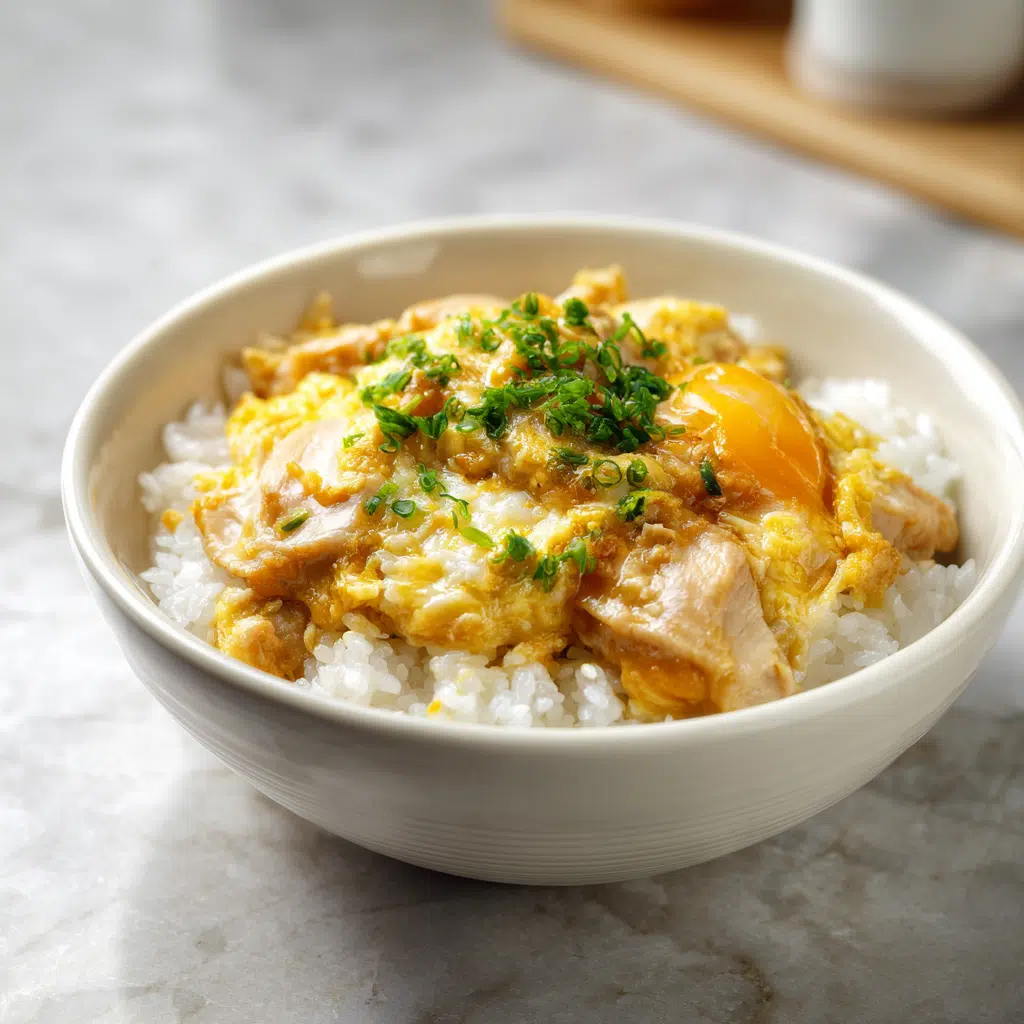
Oyakodon (Japanese Chicken & Egg Rice Bowl) is a classic Japanese comfort dish consisting of tender chicken and onions simmered in a savory dashi-based sauce, finished with a layer of soft, runny eggs served over cooked white rice. This soul-satisfying meal earns its name from its ingredients, as “oya” means parent (chicken) and “ko” means child (egg), representing the deep culinary connection within the bowl. It remains a staple in Japanese households because it requires minimal preparation and delivers a high protein content combined with balanced sweetness. The dish exemplifies the balance of Japanese cuisine where simple, high-quality ingredients transform into a complex profile of salty, sweet, and savory elements. Unlike many heavy fried dishes, this steamed bowl provides a lighter alternative that fills you up without weighing you down during a busy day. Its accessibility makes it perfect for novice cooks looking to explore traditional Japanese home cooking techniques.
Recipe Overview
| Prep Time | Cook Time | Total Time | Servings | Difficulty | Cuisine |
|---|---|---|---|---|---|
| 10 Minutes | 5 Minutes | 15 Minutes | 1 Person | Easy | Japanese |
Why This Recipe Works
I have discovered that the secret to a perfect Oyakodon lies in the timing of the egg coagulation and the quality of the simmering liquid. When I first started making this dish at home, I realized that using chicken thigh meat instead of breast provides a much juicier texture that withstands the simmering process without becoming tough. The fat from the thigh meat melds with the soy sauce and mirin, creating a rich glaze that coats every grain of rice perfectly.
My preferred approach uses a small, dedicated pan which allows the eggs to spread thinly and evenly over the chicken pieces. This method ensures that every bite contains a portion of protein and silky egg, creating a consistent mouthfeel throughout the meal. I also find that the light beating of the eggs is crucial; leaving streaks of whites provides a beautiful visual contrast and varying textures that a fully homogenized egg mixture lacks.
Ingredients
| Ingredient | Quantity | Notes and Alternatives |
|---|---|---|
| Boneless Chicken Thighs | 150 g | Cut into bite-sized pieces; skinless is preferred for this version. |
| Medium Onion | 1/2 unit | Slice thinly to ensure they soften quickly during the simmer. |
| Chicken Stock or Dashi | 1/2 cup | Dashi provides the most authentic flavor; use low-sodium chicken stock if preferred. |
| Soy Sauce | 1 tbsp | Use tamari for a gluten-free option or dark soy for a deeper color. |
| Mirin | 1 tbsp | Crucial for sweetness and shine; ensure it is non-alcoholic or use a halal substitute. |
| Sugar | 1 tsp | Balancing the saltiness of the soy sauce; white or brown sugar works. |
| Large Eggs | 2 units | Use fresh, organic eggs for the best color and flavor profile. |
| Cooked Rice | 1 1/2 cups | Short-grain Japanese rice (sushi rice) holds the sauce best. |
| Garnish (Green onion, Nori, Togarashi) | Optional | Green onions add crunch, while togarashi adds a spicy kick. |
Step-by-Step Instructions
Phase 1: Preparation and Marinating
- Combine the chicken pieces, soy sauce, mirin, and sugar in a small mixing bowl.
- Mix the chicken thoroughly to ensure every piece is coated in the seasoning.
- Set the bowl aside for 5 to 10 minutes to allow the flavors to penetrate the meat.
- Crack the eggs into a separate bowl while the chicken marinates.
- Break the yolks gently using chopsticks without fully whisking the eggs together.
Phase 2: Cooking the Proteins
- Pour the chicken stock or dashi into a small frying pan and bring to a boil.
- Add the sliced onions to the boiling stock and cook until they become fragrant.
- Slide the marinated chicken mixture into the pan with the onions.
- Cook the chicken for approximately 1 to 2 minutes on each side until nearly done.
- Arrange the chicken pieces so they are evenly distributed across the pan surface.
Phase 3: Adding the Egg and Serving
- Pour the egg mixture slowly and evenly over the chicken and onions.
- Cook the mixture for several seconds until the edges start to set firmly.
- Scramble the eggs very lightly to allow the uncooked portions to reach the heat.
- Remove the pan from the heat while the eggs are still slightly runny.
- Slide the entire mixture over a bowl of hot rice and garnish immediately.
Chef Tips for Perfect Results
- Use a small 6-inch pan to ensure the liquid level is high enough to poach the chicken effectively.
- Avoid over-beating the eggs because the distinct white and yellow colors define the dish’s aesthetic.
- Slice onions very thinly against the grain to ensure they melt into the sauce during the short cook time.
- Check the internal temperature of the large chicken pieces to ensure they hit 165°F before adding eggs.
- Place a lid on the pan for the final 30 seconds to steam the top of the eggs perfectly.
- Rest the rice for 2 minutes before pouring the chicken on top to prevent the rice from getting mushy.
Common Mistakes to Avoid
- Overcooking the eggs results in a rubbery texture that fails to coat the rice grains properly.
- Cutting chicken pieces into inconsistent sizes leads to some pieces being raw while others are overdone and dry.
- Boiling the dashi too vigorously causes the liquid to evaporate before the chicken has finished cooking.
- Using long-grain rice prevents the sauce from being absorbed correctly, as the grains do not stick together well.
- Neglecting to marinate the chicken means the interior of the meat will taste bland compared to the sauce.
Variations and Substitutions
| Original Ingredient | Substitution | Impact on Flavor |
|---|---|---|
| Chicken Thighs | Firm Tofu Cubes | Makes the dish vegetarian while retaining the savory soy-based profile. |
| Sugar | Honey | Adds a floral depth and a stickier consistency to the simmering liquid. |
| Dashi | Vegetable Broth | Lacks the smoky bonito flavor but keeps the dish light and accessible. |
| Onion | Leeks | Provides a milder, sweeter flavor that complements the eggs beautifully. |
Serving Suggestions and Pairings
Oyakodon (Japanese Chicken & Egg Rice Bowl) serves as an excellent standalone lunch but pairs wonderfully with a side of Miso Soup and pickled vegetables like Takuan. For a more formal dinner presentation, serve the bowl alongside a small plate of chilled Goma-ae (spinach with sesame dressing). This dish is traditionally enjoyed in a deep ceramic bowl that retains heat throughout the duration of the meal. It is a popular choice for quick weeknight dinners or as a restorative meal when feeling under the weather. The soft textures make it particularly suitable for children and elderly family members who appreciate mild, comforting flavors. To heighten the experience, serve with a cup of hot Genmaicha or green tea to cleanse the palate between bites.
Storage and Reheating
| Method | Duration | Instructions |
|---|---|---|
| Refrigeration | 2 Days | Store chicken and egg topping separately from the rice in an airtight container. |
| Freezing | Not Recommended | The texture of cooked eggs becomes spongy and unappealing upon thawing. |
| Microwave | 1-2 Minutes | Heat on medium power with a splash of water to keep the eggs moist. |
Nutritional Information
| Nutrient | Amount per Serving |
|---|---|
| Calories | 580 kcal |
| Protein | 35 g |
| Fat | 18 g |
| Carbohydrates | 65 g |
| Sodium | 950 mg |
Approximate values based on standard ingredients.
Mastering Oyakodon (Japanese Chicken & Egg Rice Bowl) allows you to bring a piece of Tokyo kitchen culture into your own home with very little effort. This recipe focuses on the harmony between the saltiness of the soy sauce and the natural sweetness of the onions and mirin. By following the precise steps of lightly beating the eggs and simmering the chicken in dashi, you create a dish that is both nutritious and incredibly satisfying. The versatility of the recipe means you can adjust the sweetness or saltiness to your personal preference without ruining the fundamental structure of the meal. Remember that the residual heat is your best friend when it comes to the eggs; taking them off the stove early ensures that signature silkiness that defines high-quality Japanese rice bowls. Whether you are cooking for one or preparing a family feast, this chicken and egg combination provides a reliable go-to option for any day of the week. Encourage yourself to experiment with garnishes like shredded nori or a drizzle of sesame oil to truly make the dish your own. The final result should be a steaming bowl of comfort that celebrates the signature savory-sweet flavor of authentic Japanese home cooking.
FAQ
What can I use as a dashi substitute in Oyakodon?
You may use low-sodium chicken broth combined with a pinch of fish sauce to mimic the umami depth of traditional dashi. While dashi provides a unique smokiness, chicken stock is a common and acceptable household alternative that maintains the savory profile. Ensure the stock is not too salty, as you will be adding soy sauce later.
How do I know when the eggs are perfectly cooked?
The eggs are ready when the whites are opaque but the yolks still appear shiny and slightly liquid on top. You must remove the pan from the heat immediately at this stage because the hot chicken and rice will continue the cooking process. Aim for a custard-like consistency rather than a hard scramble.
Why is my chicken tough and dry in the rice bowl?
Overcooking the chicken before adding the eggs typically causes the meat to lose its moisture and become tough. To fix this, ensure you only simmer the chicken for 2 minutes per side and use thigh meat instead of breast. The fat content in the thighs acts as a buffer against the high heat of the simmering liquid.
Can I prepare Oyakodon in advance for meal prep?
You can slice the chicken and onions in advance, but you should always cook the egg portion fresh. Prepared Oyakodon does not hold its signature texture well in the refrigerator because the rice absorbs all the sauce and the eggs harden. For the best experience, store the marinated chicken and simply cook the final steps in five minutes when ready to eat.
How do I prevent the rice from getting too soggy?
Use short-grain Japanese rice and ensure it is slightly firm before topping it with the chicken and egg mixture. Pouring the sauce carefully around the edges rather than drenching the center helps maintain the structure of the rice grains. Serving the dish immediately after cooking also prevents the rice from sitting in the liquid for too long.
Print
Oyakodon (Japanese Chicken & Egg Rice Bowl) Recipe
- Total Time: 15
- Yield: 1 serving
Description
A classic Japanese comfort dish of tender chicken, onions, and soft poached eggs in a rich, umami-laden sauce, served over fragrant rice. Quick to prepare and packed with protein, this balanced meal delivers savory depth with minimal effort.
Ingredients
Boneless Chicken Thighs (150g), cut into bite-sized pieces
Medium Onion (1/2), thinly sliced
Low-Sodium Chicken Stock or Dashi (1/2 cup)
Soy Sauce (2 tablespoons)
Non-Alcoholic Mirin (1 tablespoon)
Salt (to taste)
Black Pepper (to taste)
2 Large Eggs, lightly beaten
1 Cup Sushi Rice (or short-grain rice), cooked and fluffed
Instructions
Preheat a small pan over medium heat
Add a splash of water and sauté chicken until nearly cooked (2-3 minutes)
Add onions and cook until translucent (3-4 minutes)
Pour in stock, soy sauce, mirin, salt, and pepper to create the sauce
Simmer until chicken is tender (3-5 minutes)
Arrange rice on a heatproof plate or in a bowl
Gently ladle chicken-onion mixture onto the rice
Crack the eggs directly into the hot pan, cover, and let steam until slightly set (4-5 minutes)
Remove pan from heat and spoon the runny egg mixture over the rice with chicken
Notes
Use a ‘tri-star’ black iron pan for enhanced browning and even cooking
Leaving streaks in the beaten eggs adds visual and textural contrast
Adjust sweetness by adding 1/2 teaspoon sugar to the sauce if desired
Storage: Eat immediately, as eggs start to cook otherwise
- Prep Time: 10
- Cook Time: 5
- Category: Healthy Quick Meals | Easy Clean Eating Recipes
- Method: Stir-Frying & Simmering
- Cuisine: Japanese