
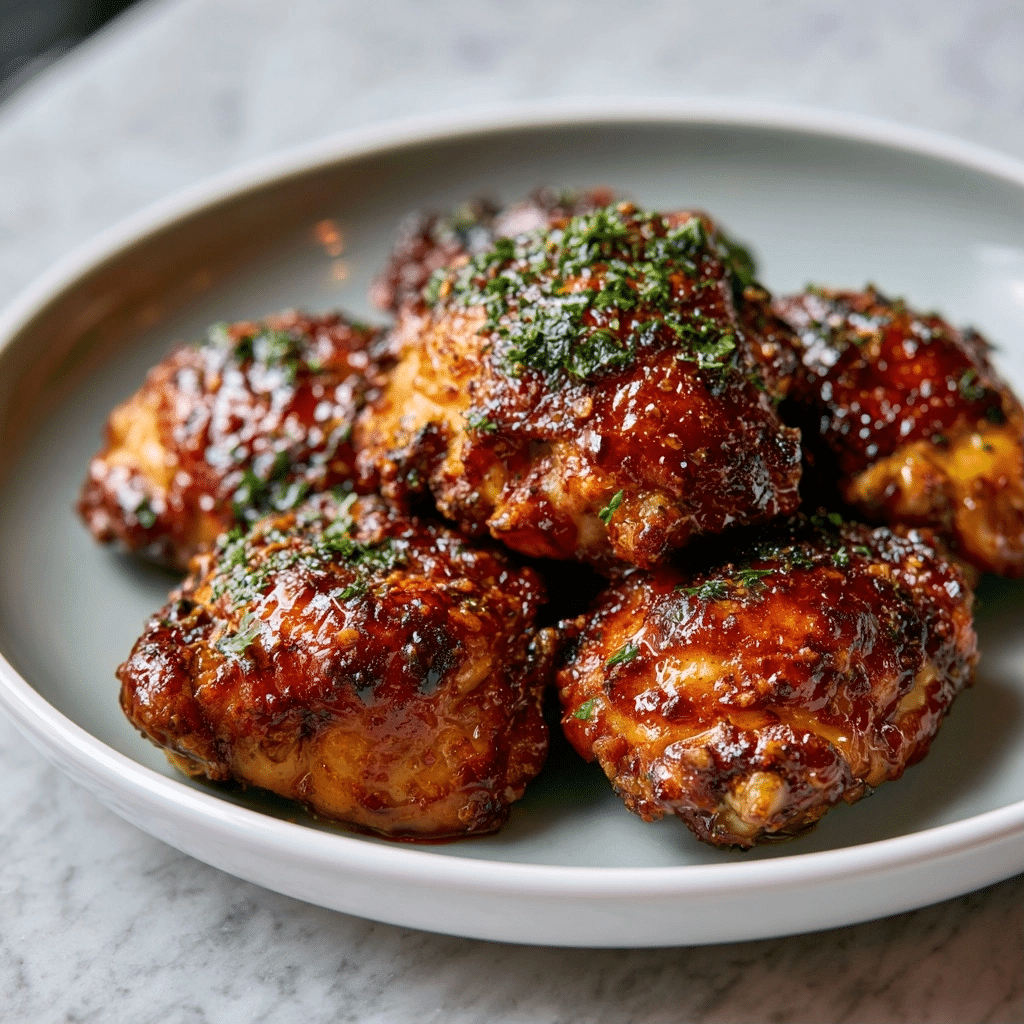
Perfect Juicy Korean Chicken Thighs provide a deeply satisfying, savory, and slightly sweet dinner option for busy weeknights. These tender, bite-sized pieces offer bold, restaurant-quality flavors that appeal to both home cooks and hungry families alike. By utilizing the higher fat content of thighs, this dish ensures a succulent texture that remains moist even after being glazed in a rich, caramelized sauce. The combination of pungent ginger, aromatic garlic, and the earthy depth of gochujang creates a complex flavor profile that transforms basic pantry staples into a memorable meal. Choosing this recipe delivers a consistent, high-impact dinner experience that requires minimal effort yet provides maximum satisfaction every single time.
What Is Juicy Korean Chicken Thighs?
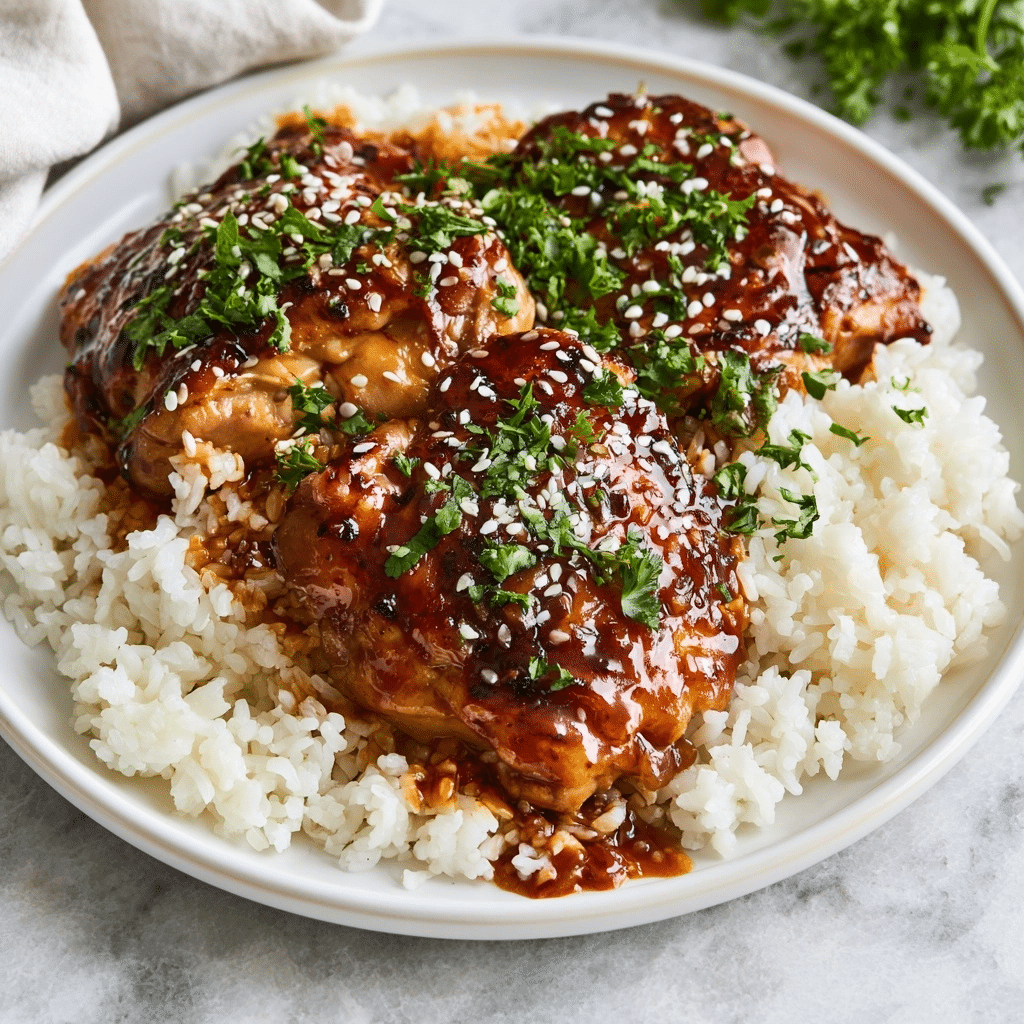
Juicy Korean Chicken Thighs center around high-quality poultry marinated in a savory, umami-rich blend and seared to achieve a sticky, caramelized glaze. This dish draws inspiration from traditional Korean culinary techniques where meats are marinated for depth before being cooked over high heat. Unlike breast meat, which can dry out quickly, chicken thighs maintain a tender, juicy structure throughout the intense rendering process of pan-searing. The addition of gochujang, a fermented Korean chili paste, provides a nuanced heat that balances the sweetness of honey or brown sugar. These flavorful bites represent a modern take on classic Korean BBQ, designed specifically for home kitchens using accessible, everyday ingredients.
| Prep Time | 15 minutes |
|---|---|
| Cook Time | 12 minutes |
| Total Time | 27 minutes |
| Servings | 4 servings |
| Difficulty Level | Easy |
| Cuisine | Korean Fusion |
| Calories per Serving | 320 |
Why You’ll Love This Recipe
- Effortless Preparation: This recipe requires minimal active time, making it ideal for busy weeknights when you want a high-quality meal without the stress.
- Foolproof Technique: The use of thighs ensures the meat remains tender regardless of slight variations in heat, providing a forgiving process for beginners.
- Crowd-Pleasing Flavors: The balance of salt, sugar, and aromatics appeals to a wide variety of palates, from children to adventurous eaters.
- Time-Saving Meal Prep: You can marinate the chicken in advance, allowing you to have a gourmet-style dinner ready in less than 15 minutes of actual cooking.
The primary appeal of this recipe lies in its reliable ability to produce intense, complex flavors with very little equipment. Whether you are prepping for a quick family meal or hosting an informal gathering, these thighs provide a sophisticated result that feels far more indulgent than the effort involved. It is an ideal entry point for anyone looking to master high-heat cooking techniques.
Why This Recipe Works
In my experience testing this dish, the key to success is the chemical reaction occurring between the sugars in the marinade and the heat of the skillet. I found that by keeping the marinade separate from the final glaze, the chicken develops a crisp exterior while the sauce remains perfectly glossy. If you leave the sugar-heavy marinade on the meat during the entire cooking time, the sugars tend to burn before the thickest parts of the chicken reach an internal temperature of 165°F.
Technically, the use of chicken thighs is crucial because of the intramuscular fat. When rendered during the pan-sear, this fat provides the moisture needed to keep the protein succulent. The emulsification of the sesame oil and vinegar with the soy sauce ensures a cohesive sauce that clings to every crevice of the meat. By whisking the specific combination of garlic, ginger, and gochujang, you create a foundational depth that prevents the sauce from feeling one-note.
The sensory payoff is a balance of caramelized, slightly charred edges and an incredibly juicy center. As the glaze reduces in the hot pan, it transforms from a runny liquid into a thick, sticky coating that glazes each piece of chicken uniformly. Visually, the contrast between the deep, reddish-brown glaze and the vibrant sliced green onions makes for a presentation that looks every bit as good as it tastes.
Pro Tips Before You Start
- Room Temperature Chicken: Remove the chicken from the refrigerator 20 minutes before cooking to ensure even heat distribution.
- Dry the Protein: Always pat the chicken completely dry with paper towels to ensure the meat sears rather than steams.
- Mise en Place: Measure all your liquid ingredients into a single bowl beforehand so that the cooking process flows smoothly without pausing.
- Consistent Sizing: Cut the chicken thighs into uniform strips to guarantee they cook at the exact same rate.
Ingredients
Here is everything you will need to make these Juicy Korean Chicken Thighs.
| Ingredient | Quantity | Notes/Alternatives |
|---|---|---|
| Boneless Chicken Thighs | 2 lbs (900g) | Skinless works best for a cleaner sear |
| Soy Sauce (Low-sodium) | 1/4 cup (60ml) | Tamari for gluten-free |
| Brown Sugar or Honey | 2 tbsp (30g) | Adjust based on preferred sweetness |
| Sesame Oil | 1 tbsp (15ml) | Adds essential nutty aroma |
| Rice Vinegar | 1 tbsp (15ml) | Provides necessary acidity |
| Garlic | 4 cloves | Minced finely for even distribution |
| Ginger | 1 tbsp (10g) | Freshly grated is vital for flavor |
| Gochujang | 1 tbsp (15g) | Korean chili paste (essential) |
| Garlic Powder | 1 tsp (3g) | Boosts the savory profile |
| Black Pepper | 1/2 tsp (1g) | Freshly cracked preferred |
| Olive Oil | 1 tbsp (15ml) | For the sear |
| Green Onions/Seeds | Garnish | Optional but recommended |
Best Ingredients for Success
The quality of your gochujang is the most important factor in this dish. Genuine gochujang provides a deep, slightly sweet fermentation that cannot be mimicked by generic hot sauces. If you settle for a basic chili sauce, you will lose the signature savory complexity that defines Korean cuisine. Using toasted sesame oil also adds a professional depth that regular vegetable oils simply cannot provide. Always opt for fresh ginger over powdered versions, as the volatile oils in fresh root ginger contribute a bright, zesty aroma that complements the heavy umami of the soy sauce perfectly.
Step-by-Step Instructions
Phase 1: Preparation
- Pat the chicken thighs dry using paper towels to remove moisture and ensure superior caramelization in the skillet.
- Trim any excess fat from the chicken thighs to prevent the sauce from becoming overly greasy during the sear.
- Place the cleaned thighs into a large zip-top bag to prepare them for the marinating process.
Phase 2: The Marinade
- Whisk together soy sauce, brown sugar, sesame oil, rice vinegar, garlic, ginger, gochujang, garlic powder, and black pepper in a bowl.
- Pour the whisked marinade over the chicken, then seal the bag and turn until every piece is evenly coated.
- Refrigerate the bag for at least 30 minutes, although marinating for up to two hours allows for deeper flavor penetration.
Phase 3: Cooking and Glazing
- Heat the olive oil in a large skillet over medium-high heat until the oil begins to shimmer slightly.
- Remove the chicken from the marinade while letting excess liquid drip off, and reserve that liquid for the glaze.
- Place the thighs into the hot skillet, ensuring they do not crowd the pan, and cook for 5-6 minutes.
- Flip the chicken pieces carefully once the undersides have achieved a deep, golden-brown caramelized appearance.
- Simmer the reserved marinade in a separate small saucepan over medium heat for 3-4 minutes until it slightly thickens.
- Brush the thickened sauce over the chicken during the final 2 minutes of cooking until it becomes sticky.
- Ensure the internal temperature of the chicken reaches 165°F (74°C) by checking with an instant-read meat thermometer.
- Rest the chicken on a plate for 5 minutes after removing from the pan to allow the juices to redistribute.
- Slice the thighs into strips and garnish with fresh sliced green onions and sesame seeds before serving.
Chef Tips for Perfect Results
- Internal Temp: Rely on an instant-read thermometer to reach 165°F (74°C); guessing leads to dry, overcooked poultry.
- Pan Crowding: Cook in batches if your skillet is small to ensure each piece sears rather than steams in its own juices.
- Resting Time: Never skip the 5-minute rest; this allows the fibers to relax and keep the chicken incredibly juicy.
- Glaze Consistency: If your sauce becomes too thick, add a teaspoon of water to restore the perfect drizzling consistency.
- Heat Control: Watch the heat closely during the glaze step as sugar can burn rapidly once concentrated.
Common Mistakes to Avoid
- Overcrowding the Pan: [WHAT] Results in steamed, pale chicken | [WHY] Moisture release creates steam that prevents searing | [FIX] Cook in batches to allow browning space.
- Leaving Excess Marinade: [WHAT] Sauce burns in the pan | [WHY] Sugar content in marinade caramelizes too fast | [FIX] Drip excess off before adding to the hot pan.
- Ignoring Temperature: [WHAT] Dry, stringy texture | [WHY] Overcooking destroys the natural moisture in the thighs | [FIX] Use a thermometer to stop at 165°F.
- Cold Chicken: [WHAT] Uneven cooking | [WHY] Cold protein drops the pan temperature significantly | [FIX] Bring chicken to room temp before cooking.
How to Make This Recipe Healthier
You can adjust this recipe for a lighter profile without sacrificing the bold Korean-inspired taste. Replacing refined brown sugar with coconut sugar reduces the glycemic impact while retaining a rich, molasses-like depth. You can also increase the intake of ginger and garlic, which are anti-inflammatory and pack a punch without adding measurable calories. Use a lean cut like chicken breast for a lower-fat option, though you will need to reduce the cook time to prevent it from becoming dry. Generally, lean cuts reduce total fat intake by approximately 40 percent.
Variations and Substitutions
Customize this dish based on your dietary needs or available ingredients. If you need a gluten-free version, simply swap regular soy sauce for coconut aminos or tamari. To increase the spice level, add a tablespoon of gochugaru (Korean chili flakes) directly into the marinade. For a citrus twist, add a squeeze of fresh lime juice right before serving to brighten the savory notes.
| Ingredient | Substitution | Impact on Flavor | Impact on Texture |
|---|---|---|---|
| Brown Sugar | Honey | Floral sweetness | Glossier finish |
| Soy Sauce | Coconut Aminos | Less salty, sweeter | Similar |
| Go-Chu-Jang | Sriracha/Honey mix | Less complex heat | Less thickness |
Can You Make This Ahead?
Yes, you can easily prepare this dish ahead of time. The best approach is to marinate the chicken for up to 24 hours in the refrigerator. When you are ready to eat, simply sear the chicken as instructed. You can also cook the finished dish and store it for up to 3 days. Reheat it in a skillet with a splash of water to loosen the glaze, which helps restore that freshly-cooked, sticky consistency.
Serving Suggestions and Pairings
Serve these Juicy Korean Chicken Thighs over a bed of fluffy jasmine rice or cauliflower rice to soak up the extra sauce. Pair with chilled cucumber salad or steamed broccoli to add a crisp, refreshing element that balances the richness of the meat. A crisp, light beer or a non-alcoholic fruit-infused sparkling water works perfectly with the savory glaze. Presentation succeeds with a simple garnish of sesame seeds and scallions, creating a vibrant, appealing contrast on the plate.
Best Occasions to Serve This Recipe
This recipe is perfectly suited for Tuesday-night dinners when time is tight, or for meal prep Sundays to ensure you have high-protein lunches for the week. It is also an excellent choice for casual entertaining where you want an impressive, restaurant-style entree that doesn’t require hours of hovering over the stove. Whether serving a small family or hosting a potluck, the addictive flavor profile makes it a reliable staple.
Storage and Reheating
Store leftovers in an airtight container for up to 4 days in the refrigerator. To reheat, always use a skillet over medium heat rather than a microwave to maintain the best texture. If you must use a microwave, cover it with a damp paper towel and heat for 1 minute to prevent drying.
| Method | Duration | Instructions |
|---|---|---|
| Refrigerator | 4 days | Airtight container |
| Freezer | 2 months | Freeze raw marinated chicken |
| Stovetop | 3 minutes | Medium heat, add splash of water |
Nutritional Information
Approximate nutritional values per serving:
| Nutrient | Amount per Serving |
|---|---|
| Calories | 320 |
| Protein | 28g |
| Fat | 14g |
| Carbohydrates | 12g |
| Fiber | 1g |
| Sugar | 9g |
| Sodium | 750mg |
*Approximate values based on standard ingredients. Actual nutrition varies by brand and specific substitutions.
Conclusion
Mastering these Juicy Korean Chicken Thighs brings a new level of excitement to your kitchen repertoire. This recipe wins by combining the ease of a simple marinade with the sophisticated result of a perfectly caramelized, sticky glaze. You no longer need to rely on takeout to satisfy those cravings for bold, savory flavors.
This method transforms basic chicken thighs into a show-stopping dish that is as versatile as it is fast. Because the technique is so forgiving and the flavors are so well-balanced, it is a perfect solution for everything from quick weeknight meals to social gatherings. The outcome is always a tender, flavorful, and visually stunning protein that keeps everyone coming back for seconds.
Save this recipe for your next dinner rotation and share it with friends who appreciate the harmony of spice, sugar, and umami. You will discover that creating professional-grade flavors at home is not only possible but surprisingly easy when you use the right combination of technique and high-quality aromatics. Try this dish tonight and experience the payoff for yourself.
FAQ
Can I substitute gochujang with another chili paste?
You can substitute gochujang with a mix of sriracha, miso paste, and a pinch of honey to mimic the thick, savory-sweet profile. However, real gochujang provides the most authentic depth for this specific dish.
How do I know when the chicken is finished cooking?
The chicken is done when an instant-read thermometer inserted into the thickest part reads 165°F (74°C). The surface should be golden-brown and sticky from the caramelized glaze.
What should I do if my glaze becomes too thick?
If your glaze becomes overly viscous or starts to clump, add a tablespoon of water or soy sauce while it sits in the pan to thin it out. Keep the heat on low so the flavor stays concentrated without burning.
Can I make this the day before?
You can definitely prepare the chicken in the marinade up to 24 hours in advance to allow for deeper flavor development. Keep it sealed in the refrigerator until you are ready to sear it for the best possible result.
Is this recipe suitable for a gluten-free diet?
This recipe is easily made gluten-free by swapping traditional soy sauce for tamari or coconut aminos. Ensure that your specific brand of gochujang is marked gluten-free, as some commercial varieties contain wheat.
Print
Perfect Juicy Korean Chicken Thighs
- Total Time: 27
- Yield: 4 servings
- Diet: Halal
Description
Indulge in these juicy, bite-sized chicken thighs glazed in a savory, umami-rich sauce. By utilizing the higher fat content of chicken thighs, this recipe ensures a succulent texture that remains tender and moist. Infused with aromatic ginger, garlic, and the earthy heat of gochujang, this dish offers a modern, restaurant-quality Korean fusion experience perfect for busy weeknights. It is a foolproof, high-impact dinner that balances heat and sweetness, making it a guaranteed crowd-pleaser for any family meal.
Ingredients
1.5 lbs boneless skinless chicken thighs, cut into bite-sized pieces
2 tablespoons gochujang (Korean chili paste)
2 tablespoons low-sodium soy sauce
1 tablespoon honey
1 tablespoon brown sugar
3 cloves garlic, minced
1 tablespoon fresh ginger, grated
1 tablespoon vegetable oil
1 green onion, chopped for garnish
1 teaspoon toasted sesame seeds
Instructions
In a medium bowl, whisk together the gochujang, soy sauce, honey, brown sugar, minced garlic, and grated ginger to create the sauce.
Pat the chicken thigh pieces dry and place them into the bowl with the marinade.
Let the chicken marinate for at least 15 minutes.
Heat the vegetable oil in a large skillet over medium-high heat.
Add the chicken pieces to the skillet in a single layer, ensuring they are not overcrowded.
Sear the chicken for 5-6 minutes per side until deeply browned and cooked through.
Pour the remaining marinade into the skillet and toss the chicken pieces until the sauce caramelizes and coats the meat thoroughly.
Remove from heat, garnish with green onions and sesame seeds, and serve immediately.
Notes
Ensure the chicken is patted dry before marinating to help achieve a superior sear. If you want a deeper color and stickier glaze, allow the sauce to bubble and reduce for an extra minute before removing from the heat. This dish pairs excellently with steamed jasmine rice and quick-pickled cucumbers.
- Prep Time: 15
- Cook Time: 12
- Category: Meals
- Method: Pan-searing
- Cuisine: Korean Fusion