
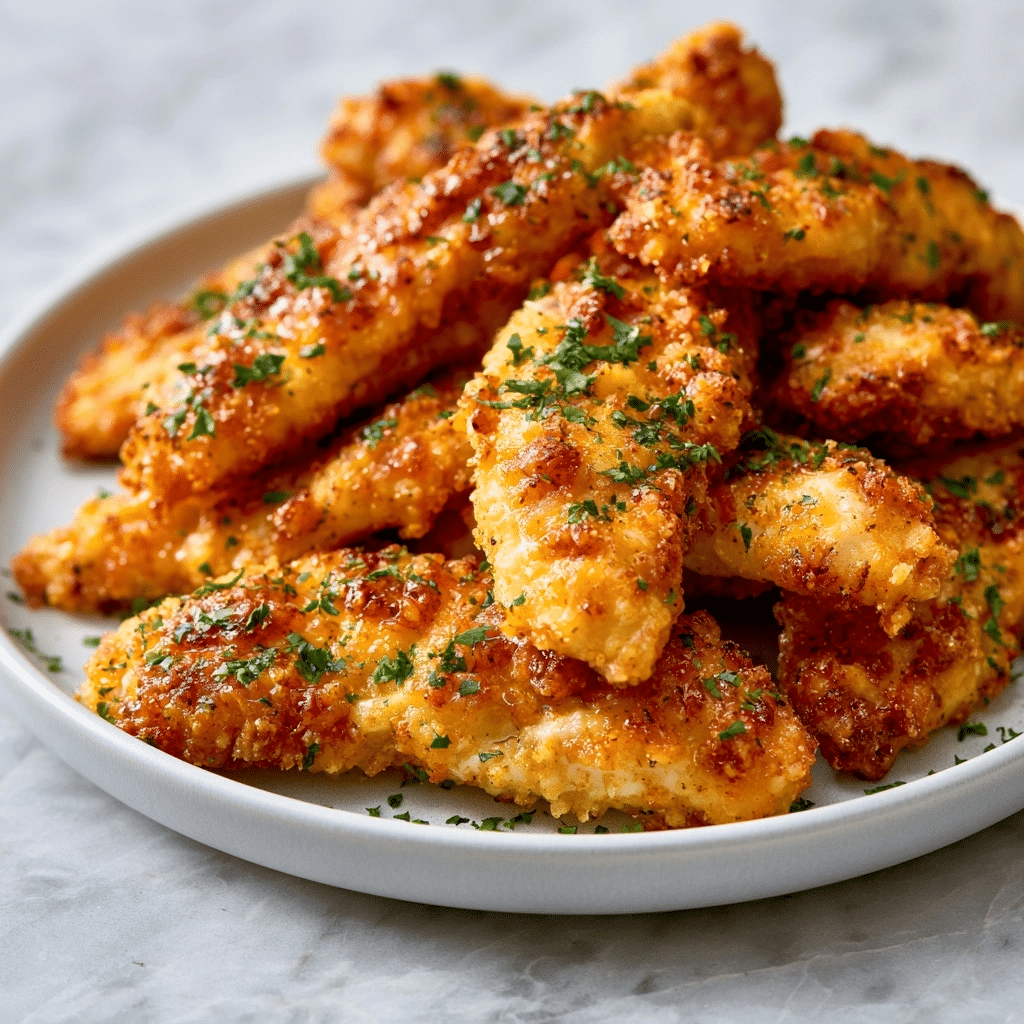
Crispy Ranch Chicken Tenders are a premium twist on the classic American comfort food, featuring succulent chicken breast strips marinated in tangy buttermilk and coated in a herb-infused flour crust. This recipe for Crispy Ranch Chicken Tenders delivers a superior crunch and deep savory profile that appeals to children and gourmet enthusiasts alike, making it a versatile choice for weeknight dinners or game-day appetizers. The combination of cooling ranch seasonings with high-heat frying creates a sensory masterpiece defined by a shattering external texture and moist, aromatic interior. By utilizing a specific double-coating technique and a buttermilk brine, you ensure every bite is seasoned to the bone. This dish transforms standard poultry into a high-demand meal that satisfies cravings for salty, herbed, and crunchy textures in every mouthful.
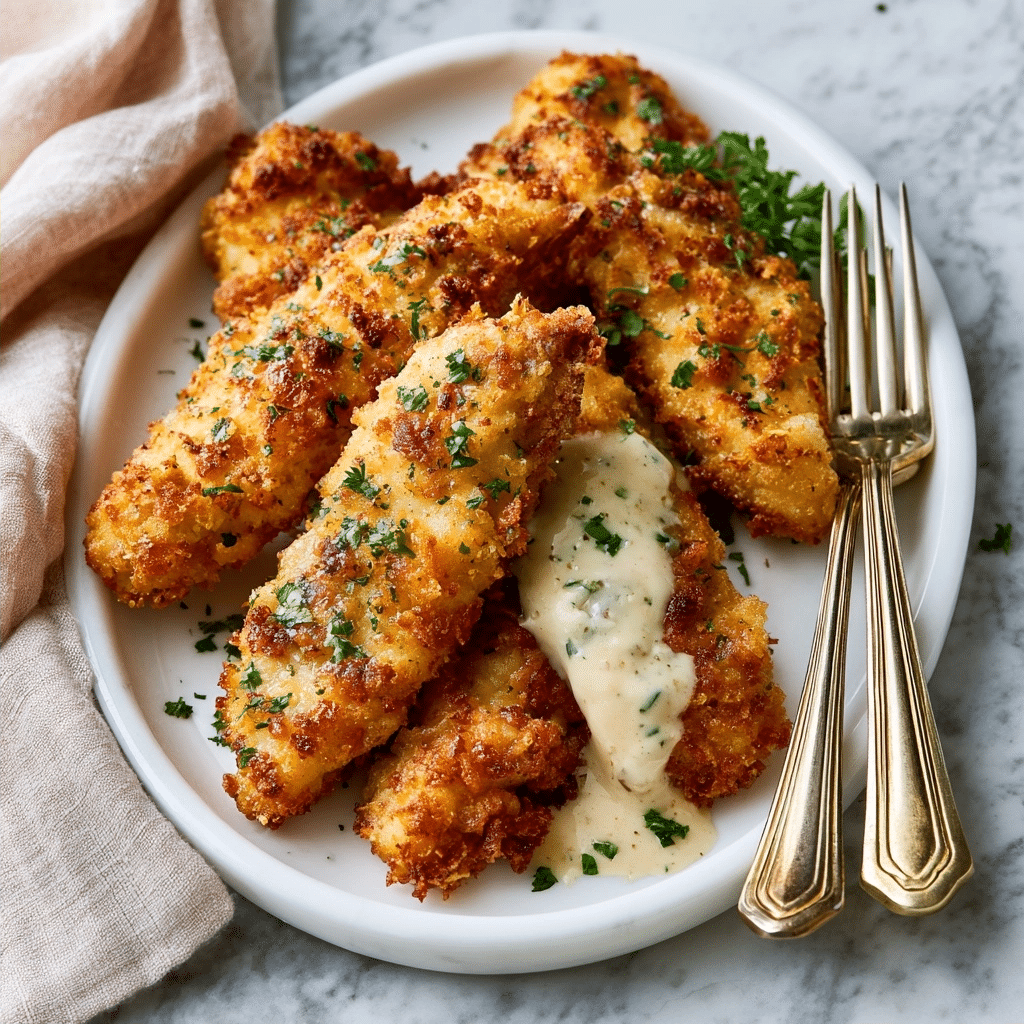
What Is Crispy Ranch Chicken Tenders?
Crispy Ranch Chicken Tenders are specialized breaded poultry strips that utilize dry ranch seasoning mix as the primary flavor agent in the dredging process. Unlike traditional fried chicken which relies on paprika or cayenne, these tenders leverage the garlic, onion, and dill notes inherent in buttermilk ranch powders. The dish is a modern evolution of Southern-style fried chicken, adapted for ease of eating and faster cooking times. While similar to standard chicken strips, the inclusion of dried parsley and coarse black pepper in the flour, combined with a buttermilk soak, distinguishes this recipe by providing a chemical tenderization of the meat proteins and a more complex, herbal crust.
| Prep Time | 20 minutes |
| Cook Time | 15 minutes |
| Total Time | 35 minutes |
| Servings | 6 servings |
| Difficulty Level | Easy |
| Cuisine | American |
| Calories per Serving | 445 kcal |
Why You’ll Love This Recipe
- Effortless Preparation: This recipe uses accessible pantry staples and a straightforward dredging station that even beginners can master quickly.
- Crowd-Pleasing Flavor: The familiar, comforting taste of ranch seasoning ensures that even the pickiest eaters will find these tenders irresistible.
- Time-Saving Technique: Because tenderloins are smaller than full breasts, they cook through in under eight minutes, making this a perfect solution for busy schedules.
- Foolproof Texture: The buttermilk soak guarantees the chicken stays juicy, preventing the common issue of dry, stringy poultry.
This recipe is an essential addition to any home cook’s repertoire because it balances simplicity with professional-grade results. Whether you are prepping for a weekend potluck or looking for a reliable meal prep option, these tenders hold their crunch remarkably well. The process is optimized for efficiency, allowing you to move from prep to plate in less than forty minutes.
Why This Recipe Works
From my professional experience developing high-volume menu items, the success of a fried chicken dish hinges on the moisture barrier between the meat and the crust. Often, home cooks struggle with breading that falls off or chicken that is bland on the inside. This recipe solves those issues by using a lactic acid brine through the buttermilk, which breaks down tight muscle fibers, ensuring a tender bite every time you serve these crispy ranch chicken tenders.
The science behind this recipe lies in the mechanical bonding of the flour and the buttermilk. When the flour mixture is pressed into the moisture-laden chicken, it creates a paste that undergoes rapid dehydration in the hot oil. This process, known as the Maillard reaction, creates a golden-brown exterior while the ranch seasoning’s salt content deeply penetrates the meat via osmosis during the soak. The addition of dried parsley is not merely for aesthetics; it provides a structural element to the crust that traps small air pockets, enhancing the overall crunch.
Finally, the sensory payoff is achieved through the temperature contrast and flavor layering. The cooling effect of the ranch spices balances the heat from the frying oil, while the coarse ground black pepper adds a subtle back-end heat that cuts through the richness of the buttermilk. The result is a visually stunning, deeply aromatic dish that provides a satisfying auditory snap with every bite.
Pro Tips Before You Start
- Mise en Place: Arrange your dredging station from left to right: buttermilk bowl, flour mixture, and finally the wire rack to ensure a clean workflow.
- Oil Temperature Accuracy: Use a clip-on candy thermometer to maintain exactly 375°F (190°C) for the best results.
- Wire Rack Resting: Always rest breaded chicken on a rack, not a flat plate, to prevent the bottom from becoming soggy before it hits the oil.
- Consistent Chicken Sizing: If some tenderloins are significantly thicker than others, gently pound them to a uniform thickness for even cooking times.
Ingredients
Here’s everything you’ll need to make Crispy Ranch Chicken Tenders using fresh, high-quality components for the best flavor profile.
| Ingredient | Quantity | Notes/Alternatives |
|---|---|---|
| Chicken Tenderloins | 2 lb (907g) | Boneless, skinless; remove tendon if desired |
| Buttermilk | 2 C (480ml) | Full-fat version provides better cling |
| All Purpose Flour | 2 C (250g) | Provides the structural base for the crust |
| Buttermilk Ranch Seasoning | 1 packet (28g) | Dry hidden valley or house brand mix |
| Coarse Black Pepper | 1 tsp (2g) | Freshly ground for maximum aroma |
| Dried Parsley | 1 tsp (1g) | Extra for garnish if desired |
| Cooking Oil | As needed | Canola or peanut oil (high smoke point) |
| Salt* | To taste | Sprinkle immediately after frying |
Best Ingredients for Crispy Ranch Chicken Tenders
Quality matters significantly when the ingredient list is short. Choosing premium chicken tenderloins rather than sliced breasts ensures a more tender texture, as the tenderloin is a specific muscle that is naturally softer. For the oil, peanut oil is the gold standard for frying due to its high smoke point and neutral flavor, though canola is an excellent budget-friendly alternative that won’t distract from the ranch notes.
Using real buttermilk instead of a substitute (like milk and lemon juice) is non-negotiable for the best results. The viscosity of real buttermilk is thicker, allowing it to hold more flour and create a substantially crustier exterior. Furthermore, the ranch seasoning packet should be fresh; older packets can lose their herbal punch and result in a one-dimensional salty flavor. If you find the coating too thin, you can double-dredge by returning the floured chicken to the buttermilk and then back to the flour, though the single coating described here is designed for a lighter, crispier finish.
Step-by-Step Instructions
Phase 1: Preparation and Brining
- Heat canola or peanut oil in a heavy Dutch oven, cast iron skillet, or deep fryer to 375°F (190°C).
- Monitor the internal temperature closely during the heating process to prevent the oil from reaching its smoke point.
- Place the chicken tenderloins in a large 8×8 baking dish or mixing bowl.
- Pour the two cups of buttermilk over the chicken, ensuring each piece is fully submerged.
- Separate any tenders that are stuck together so the buttermilk contacts all surfaces for optimal tenderization.
- Combine the all-purpose flour, ranch seasoning packet, black pepper, and dried parsley in a shallow bowl.
- Whisk the dry ingredients with a fork until the herbs and seasoning are evenly distributed throughout the flour.
Phase 2: Coating the Chicken
- Lift one chicken strip from the buttermilk, allowing the excess liquid to drip off for a second.
- Transfer the strip into the seasoned flour mixture and cover the top and sides generously.
- Press the flour firmly into the meat with your palm to encourage the formation of small crags and bumps.
- Flip the tenderloin and repeat the pressing motion on the other side until no wet spots remain.
- Place the coated chicken onto a wire cooling rack set over a parchment-lined baking sheet.
- Repeat the process for all remaining chicken, allowing them to rest for 2-3 minutes to set the breading.
Phase 3: Frying to Perfection
- Verify the oil temperature is still at 375°F (190°C) by using a thermometer or a small pinch of flour.
- Lower 3 to 4 chicken strips into the hot oil using long-handled tongs to avoid splashing.
- Maintain space between the tenders to prevent the oil temperature from dropping too rapidly. (Crowding leads to greasy, soggy chicken).
- Fry the first side for 5 to 8 minutes until the bottom is deeply golden and rigid.
- Turn the chicken over carefully and continue frying until the internal temperature reaches 165°F (74°C).
- Remove the tenders using a slotted spoon or tongs and place them on a clean wire rack lined with paper towels below.
- Season with a pinch of salt and extra parsley while the surface oil is still shimmering and hot.
Chef Tips for Perfect Results
- Rest the Breading: Letting the floured chicken sit for a few minutes before frying helps the coating hydrate and stick better to the meat.
- Check Internal Temp: Use an instant-read thermometer to ensure the chicken reaches 165°F (74°C) without overcooking it into dryness.
- Small Batch Frying: Never fill the pot more than halfway with chicken; maintain the oil’s heat to ensure the crust sears instantly.
- Keep it Clean: Use the “wet hand/dry hand” method to avoid breading your own fingers during the process.
- Oil Recovery: Wait 1-2 minutes between batches for the oil to return to 375°F (190°C) before adding more chicken.
Common Mistakes to Avoid
Frying in Cold Oil: Results in heavy, greasy chicken. The oil must be hot enough to instantly vaporize moisture. Always use a thermometer to confirm 375°F. Fix: Increase the heat and wait for the target temperature between every batch.
Overcrowding the Skillet: Results in steaming rather than frying. When too much cold meat enters the oil, the temperature plummets. Fix: Cook in multiple small batches rather than trying to finish quickly.
Not Pressing the Flour: Results in the breading falling off in the fryer. The flour needs mechanical pressure to bond with the buttermilk. Fix: Use your palm to firmly press the coating into the chicken during the dredge.
Using Dried-out Chicken: Results in a tough, rubbery texture. Pre-frozen chicken that wasn’t thawed correctly holds too much water. Fix: Pat chicken dry before placing it in the buttermilk soak.
How to Make This Recipe Healthier
To reduce the calorie count of these crispy ranch chicken tenders, you can transition from deep-frying to air-frying. This adjustment reduces the systemic fat content by approximately 60% while maintaining a respectable crunch. Additionally, substituting the all-purpose flour for almond flour or a gluten-free blend can lower the glycemic impact of the meal. Using a low-fat buttermilk or a Greek yogurt-based marinade can also reduce the saturated fat while still providing the necessary acidity for tenderization. Generally, air-frying at 400°F (204°C) for 12 minutes will yield a result that is lighter but still immensely flavorful.
Variations and Substitutions
Customizing your Crispy Ranch Chicken Tenders is easy with these simple swaps designed to fit various dietary needs and flavor preferences.
| Ingredient | Substitution | Impact on Flavor | Impact on Texture |
|---|---|---|---|
| All Purpose Flour | Gluten-Free 1:1 Blend | Neutral flavor | Slightly grainier crunch |
| Buttermilk | Greek Yogurt (Thinned) | More tangy | Thicker, heavier crust |
| Ranch Packet | Spicy Ranch Mix | Significant heat kick | No change |
| Dried Parsley | Smoked Paprika | Woodsy, smoky notes | Slightly darker color |
Can You Make This Ahead?
Yes, you can prepare several elements of this dish in advance. The chicken can soak in the buttermilk for up to 4 hours in the refrigerator, which actually improves the tenderness of the meat. You can also mix the dry dredging ingredients days in advance and store them in an airtight container. However, do not flour the chicken until you are ready to fry, as the flour will become gummy and lose its ability to crisp up if it sits for more than 15 minutes before hitting the hot oil. For the best quality, fry them fresh and serve immediately.
Serving Suggestions and Pairings
Serve these crispy ranch chicken tenders alongside a honey mustard dipping sauce or a classic buffalo style sauce for a contrast in flavors. For a complete meal, pair them with a mountainous heap of garlic mashed potatoes, steamed green beans, or a crisp coleslaw. If you are serving these at a party, arrange them on a wooden board with celery sticks and carrot batons to mimic a wings-night vibe. These tenders are also excellent sliced over a fresh garden salad with a drizzle of balsamic glaze. For beverage pairings, a cold lemonade or a crisp sparkling water with lime complements the herby ranch profile perfectly.
Best Occasions to Serve This Recipe
This recipe is a champion for family game nights where finger foods are a necessity. Because the preparation is so straightforward, it also serves as a reliable Friday night reward meal after a long work week. These tenders are particularly useful for school-aged children’s birthday parties or casual weekend social gatherings where you need a main dish that appeals to a wide variety of palates without requiring hours of labor in the kitchen.
Storage and Reheating
Store leftover chicken in a single layer to maintain the integrity of the crust.
| Method | Duration | Instructions |
|---|---|---|
| Refrigerator | 3-4 Days | Airtight container; line with a paper towel. |
| Freezer | 2 Months | Flash freeze on a tray before bagging. |
| Oven Reheating | 10-12 Mins | 350°F (175°C) on a wire rack until hot. |
| Air Fryer Reheating | 3-5 Mins | 375°F (190°C) for maximum crispiness. |
Nutritional Information
Approximate nutritional values per serving (based on 3 tenders):
| Nutrient | Amount per Serving |
| Calories | 445 kcal |
| Protein | 32g |
| Fat | 22g |
| Carbohydrates | 28g |
| Fiber | 1g |
| Sugar | 2g |
| Sodium | 890mg |
*Approximate values based on standard ingredients. Actual nutrition varies by brand and substitutions.
Conclusion
These Crispy Ranch Chicken Tenders represent the pinnacle of home-cooked comfort, offering a professional-grade crunch that far exceeds any frozen alternative. By combining the tenderizing power of buttermilk with the classic, herbaceous flavor of ranch seasoning, you create a dish that is both sophisticated in its execution and nostalgic in its appeal. The simplicity of the technique ensures that you can produce consistent, high-quality results every time you approach the stove.
Whether you are serving a hungry family or entertaining guests at a casual gathering, the versatility of these tenders makes them an invaluable asset. They deliver an impressive sensory experience, from the golden-brown visual appeal to the aromatic herb-scented steam that rises when you pull them from the fryer. This recipe removes the guesswork usually associated with fried poultry, providing a clear path to success for cooks of all skill levels.
Try this recipe tonight and experience the difference that a well-executed buttermilk brine and seasoned dredge can make. Save this guide for your next meal planning session and discover how effortlessly you can master the art of the perfect chicken tender. This dish delivers a satisfying outcome that will quickly become a recurring favorite in your kitchen.
FAQ
Can I substitute chicken breast for the tenderloins?
Yes, you can use boneless skinless chicken breasts by cutting them into 1-inch thick strips across the grain. The texture will be slightly firmer than natural tenderloins, but the buttermilk soak will ensure they remain juicy during the frying process. Ensure the pieces are uniform in size for even cooking.
How do I know when the chicken is done cooking?
The most reliable method is to use a digital meat thermometer to check that the internal temperature has reached 165°F (74°C). Visually, the crust should be a deep golden brown and the meat should feel firm when pressed with tongs. When sliced, the juices should run clear with no pinkness in the center.
Can I make these Crispy Ranch Chicken Tenders in an air fryer?
Yes, you can air fry these tenders by lightly spraying the breaded strips with cooking oil and cooking at 400°F (204°C) for 6-8 minutes per side. While the texture won’t be as rich as deep-frying, the buttermilk crust will still become very crispy. Make sure to spray any visible dry flour spots with oil to ensure they brown properly.
What should I do if the breading is falling off?
Breading usually falls off because the chicken was too wet or the flour wasn’t pressed firmly enough into the buttermilk layer. Make sure to let the excess buttermilk drip off before dredging and allow the breaded tenders to rest for 3 minutes on a wire rack before frying. This resting period allows the flour to bond with the moisture to create a stable crust.
Print
Crispy Ranch Chicken Tenders
- Total Time: 35
- Yield: 6 servings (3-4 tenders each)
- Diet: Halal
Description
Succulent buttermilk-brined chicken tenders with a deep-golden ranch-seasoned crust. Juicy interiors meet shattering crunch, perfect for dinner or game-day snacks.
Ingredients
4 boneless, skinless chicken breasts, cut into 1/2-inch strips
1 cup buttermilk
1 cup all-purpose flour
2 tbsp dried parsley
1 tbsp garlic powder
1 tbsp onion powder
1 tsp dill weed
1 tsp coarse black pepper
3 tbsp vegetable oil (for frying)
Instructions
Whisk buttermilk in a bowl and mix in 1 tbsp flour to create a brine.
Soak chicken in the brine for 15-20 minutes.
In a separate bowl, combine remaining flour, parsley, garlic powder, onion powder, dill, black pepper, and 1 tbsp oil.
Dredge chicken strips in the seasoned flour, shake off excess, then refrigerate 10 minutes.
Heat oil in a deep skillet to 375°F (190°C). Fry tenders in batches 3-4 minutes per side until golden crisp. The second coating step ensures clouded flour adheres fully.
Notes
For best texture, cool oil between batches.
Use a digital thermometer for accurate frying.
Serve with cooled ranch dip (see related recipes).
Freeze breaded unbreaded chicken on a baking sheet before frying for convenience.
- Prep Time: 20
- Cook Time: 15
- Category: Meals
- Method: Frying
- Cuisine: American