
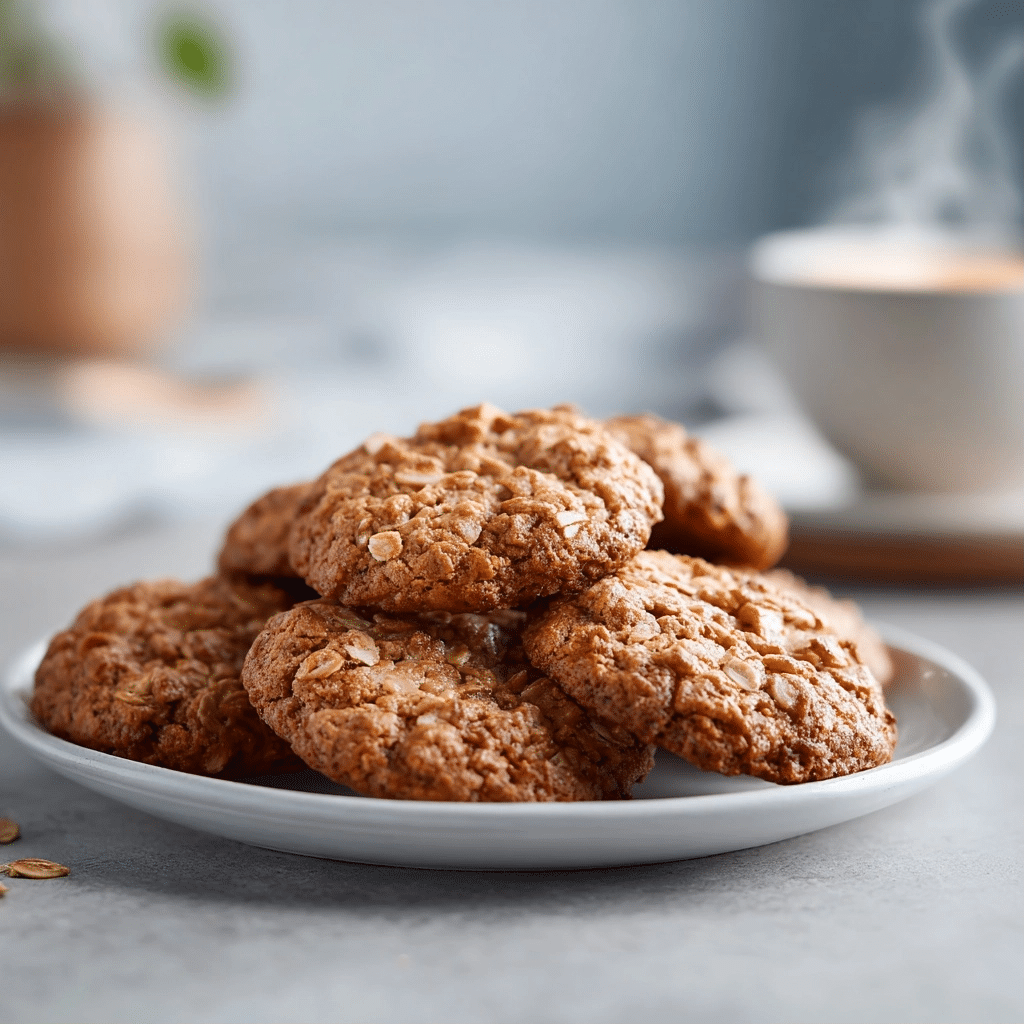
Oatmeal cookies are classic American baked goods defined by their hearty texture, caramelized sugar profile, and chewy center. This specific oatmeal cookies recipe utilizes a precise ratio of rolled oats to all-purpose flour to ensure a robust structure that remains soft days after baking. By combining softened butter with both granulated and brown sugars, you create a chemical reaction that results in a perfectly crisp edge and a moist, tender interior. These cookies serve as a versatile canvas for various additions, though the pure combination of cinnamon and vanilla remains the gold standard for traditional flavor profiles. Every bite delivers a satisfying crunch from the oats followed by the sweet, buttery depth of a well-developed dough. Whether you prefer your cookies thick and soft or thin and crispy, understanding the fundamentals of oat hydration and sugar caramelization is essential for success.
| Prep Time | Cook Time | Total Time | Servings | Difficulty | Cuisine |
|---|---|---|---|---|---|
| 15 Minutes | 12 Minutes | 27 Minutes | 24 Cookies | Easy | American |
Why This Recipe Works
This recipe succeeds because it prioritizes the moisture balance required to keep hearty oats from becoming dry or crumbly. I have found through years of professional baking that the inclusion of two eggs provides the necessary protein structure to lift the heavy oats during the rising process. The high brown sugar content introduces molasses, which reacts with the baking soda to create a deeper color and a softer crumb than white sugar alone could achieve.
The texture remains consistent because we use a specific ratio of three cups of oats to one and a half cups of flour. This creates a dough that holds its shape on the baking sheet without spreading too thin, ensuring each cookie has a substantial bite. By creaming the butter and sugars for a full three minutes, you incorporate tiny air pockets that expand in the oven, preventing the cookies from becoming dense or leaden.
Ingredients
| Ingredient | Quantity | Notes and Alternatives |
|---|---|---|
| Butter | 1 cup | Unsalted and softened; use vegan butter for dairy-free. |
| Brown Sugar | 1 cup | Packed; light or dark works for different molasses depth. |
| Granulated Sugar | 1/2 cup | Standard white sugar for crisp edges. |
| Eggs | 2 large | Room temperature; can substitute with flax eggs. |
| Vanilla Extract | 1 teaspoon | Pure extract provides the best depth. |
| All-Purpose Flour | 1 1/2 cups | Spoon and level to avoid excess weight. |
| Rolled Oats | 3 cups | Old-fashioned oats provide the best chew. |
| Cinnamon | 1 teaspoon | Ground Ceylon or Cassia for warmth. |
| Baking Soda | 1 teaspoon | Ensures proper browning and rise. |
Step-by-Step Instructions
Phase 1: Preparation and Creaming
- Preheat your oven to 350°F (175°C) and line two large baking sheets with parchment paper or silicone mats.
- Cream the softened butter, brown sugar, and granulated sugar in a large bowl using a stand mixer or electric hand mixer.
- Beat the mixture for at least three minutes until the texture appears light, fluffy, and significantly paler in color.
Phase 2: Emulsifying Liquids
- Add the two eggs one at a time, beating thoroughly after each addition to ensure the fats and liquids fully emulsify.
- Pour in the vanilla extract and mix for an additional thirty seconds to distribute the aromatic oils throughout the base.
Phase 3: Incorporating Dry Ingredients
- Stir in the all-purpose flour, rolled oats, ground cinnamon, and baking soda using a sturdy spatula or a low mixer setting.
- Mix only until no streaks of white flour remain visible to prevent overworking the gluten and making the cookies tough.
Phase 4: Shaping and Baking
- Scoop the dough into rounded tablespoons and place them onto the prepared baking sheets, leaving two inches of space between each.
- Bake for 10 to 12 minutes or until the edges are golden brown while the centers still appear slightly soft.
- Cool the cookies on the baking sheet for five minutes before transferring them to a wire rack to finish setting.
Chef Tips for Perfect Results
- Ensure your butter is truly room temperature by pressing it with a finger; it should yield easily without being greasy or melted.
- Use old-fashioned rolled oats instead of quick oats or steel-cut oats because they provide the classic chewy texture and structural integrity.
- Chill the dough for thirty minutes before scooping if your kitchen is warm to prevent the cookies from spreading too flat in the oven.
- Measure your flour by weight using a kitchen scale or the spoon-and-level method to avoid adding too much dry material to the dough.
- Remove the cookies from the oven when the centers look slightly underbaked, as carryover cooking on the hot pan will finish them perfectly.
Common Mistakes to Avoid
- Overmixing the dough after adding the flour will develop too much gluten and result in a bready, tough cookie rather than a tender one.
- Using cold eggs will cause the creamed butter to seize, resulting in an uneven batter that does not bake into a cohesive shape.
- Substituting quick oats 1:1 for rolled oats will change the liquid absorption rate and often results in a drier, more crumbly cookie.
- Skipping the parchment paper can lead to the bottoms browning too quickly before the center of the cookie is fully set.
Variations and Substitutions
| Original Ingredient | Substitution | Impact on Flavor | All-Purpose Flour | Gluten-Free 1:1 Blend | Slightly more delicate crumb; similar flavor profile. | Butter | Coconut Oil (Solid) | Adds a subtle tropical note and increases crispness. | Brown Sugar | Coconut Sugar | Result is less sweet with a stronger toasted caramel taste. | Vanilla Extract | Almond Extract | Provides a sharp, nutty aroma that complements the oats. |
|---|
Serving Suggestions and Pairings
Serving these cookies warm alongside a cold glass of whole milk is the most traditional way to enjoy their complex sugar profile. For an elegant dessert presentation, you can sandwich two cookies together with a layer of vanilla bean buttercream or salted caramel. These cookies are also excellent when paired with a hot cup of black tea or a spiced chai latte during afternoon breaks. Because they are sturdy, they make wonderful additions to lunchboxes or as a portable snack for hiking and outdoor activities. During festive seasons, you can dip half of each cookie into melted white chocolate to add a decorative and creamy finish.
Storage and Reheating
| Method | Duration | Instructions |
|---|---|---|
| Countertop | 5 to 7 Days | Store in an airtight container with a piece of bread to keep them soft. |
| Freezer | 3 Months | Freeze in a single layer before transferring to a heavy-duty freezer bag. |
| Reheating | 10 Seconds | Microwave on high for a few seconds to restore the fresh-from-the-oven softness. |
Nutritional Information
| Nutrient | Amount per Serving |
|---|---|
| Calories | 185 kcal |
| Total Fat | 9g |
| Carbohydrates | 24g |
| Protein | 3g |
| Sugar | 14g |
| Fiber | 2g |
Approximate values based on one cookie out of a 24-serving yield.
Mastering a batch of oatmeal cookies requires attention to detail regarding temperature and timing, but the reward is a timeless treat. This recipe provides a sturdy foundation that balances the wholesome nature of oats with the indulgent luxury of butter and sugar. As you bake, remember that the quality of your ingredients directly dictates the final flavor of the cookie. Using fresh spices and high-quality butter will elevate these from simple snacks to professional-grade desserts. Share these with friends, store them for a rainy day, or enjoy them warm from the cooling rack. Every kitchen deserves a reliable oatmeal cookies recipe that delivers consistent results every single time you preheat your oven. The perfect cookie is within your reach when you follow these fundamental techniques for mixing, scooping, and baking to golden perfection.
FAQ
Can I use quick oats instead of rolled oats?
Quick oats can be used but they will significantly alter the final texture of your cookies. These thinner oats absorb moisture faster and lack the characteristic chew provided by the thicker old-fashioned rolled oats. If you must use them, reduce the flour by two tablespoons to prevent the dough from becoming overly dry and stiff.
How do I know when the cookies are done?
The cookies are finished when the edges turn a light golden brown while the centers still look soft and slightly wet. Do not wait for the centers to firm up in the oven or the cookies will become hard and crunchy. Residual heat from the baking sheet will finish the cooking process during the five-minute cooling period.
Why did my oatmeal cookies spread too much?
Excessive spreading usually occurs because the butter was too soft or melted before the creaming process began. To fix this, chill the remaining dough in the refrigerator for thirty minutes before baking the next batch to solidify the fats. Ensuring your baking sheet is completely cool before adding the next round of dough also prevents premature melting.
Can I make the cookie dough in advance?
You can prepare this dough up to three days in advance if you store it in an airtight container in the refrigerator. Cold dough actually develops a deeper flavor as the oats have more time to hydrate and the sugars concentrate. Allow the dough to sit at room temperature for ten minutes before scooping to make the process easier on your hands.
Why are my cookies dry and crumbly?
Dry cookies are typically the result of over-measuring the flour or over-baking the dough in the oven. Always use a kitchen scale to measure the flour or spoon it into the measuring cup rather than dipping the cup into the bag. Reducing the bake time by one or two minutes will also help preserve the moisture provided by the butter and eggs.
Print
Oatmeal Cookies Recipe: The Ultimate Guide
- Total Time: 27
- Yield: 24 cookies
- Diet: Vegetarian
Description
These ultimate oatmeal cookies offer a golden-crisp exterior and tender, chewy interior, made with a perfect balance of rolled oats and all-purpose flour. Ideal for any occasion, they are sweet, hearty, and packed with comforting flavor.
Ingredients
1 cup butter (unsalted, softened; substitute with vegan butter for dairy-free)
1 cup brown sugar (packed; light or dark molasses can be used)
1/2 cup granulated sugar (standard white sugar)
2 large eggs (room temperature; substitute with flax eggs for vegan option)
1 teaspoon vanilla extract (pure extract recommended)
3 cups rolled oats (old-fashioned, not instant)
1/2 teaspoon baking soda
1/2 teaspoon salt
1 teaspoon ground cinnamon
1 1/2 cups all-purpose flour
Instructions
Preheat oven to 350°F (175°C)
In a large mixing bowl, cream together the softened butter, brown sugar, and granulated sugar for 3 minutes until light and fluffy.
Beat in the eggs one at a time, then stir in the vanilla extract.
In a separate bowl, whisk together the rolled oats, baking soda, salt, cinnamon, and all-purpose flour.
Gradually add the dry ingredients to the wet mixture, stirring just until combined. Do not overmix.
Using a cookie scoop or tablespoon, drop rounded portions of dough onto ungreased baking sheets, spacing at least 2 inches apart.
Bake for 12 minutes or until the edges are lightly golden and the centers are firm but slightly soft. Avoid overbaking for softness.
Transfer cookies to a wire rack to cool completely.
Notes
For vegan version, substitute butter with vegan butter and eggs with flax eggs (1 tablespoon ground flaxseed + 3 tablespoons water per egg)
Store in an airtight container at room temperature for up to 5 days or freeze for up to 3 months.
For extra flavor, add raisins, chocolate chips, or chopped nuts to the dough.
- Prep Time: 15
- Cook Time: 12
- Category: Easy & Delicious Homemade Cookie Recipes
- Method: Baking
- Cuisine: American